

Every club wants players who train harder, perform better, and stay injury-free for longer. Yet most clubs still pour their budget into pitches, kits, and coaching staff while leaving recovery as an afterthought. A well-planned sports recovery room changes that equation, giving athletes a dedicated space to repair muscles, reduce soreness, and get back to training sooner.
In this article, you’ll learn what a sports recovery room actually includes, why it matters for both grassroots and elite clubs, and how UK facilities are using smart recovery equipment to gain a competitive edge. By the end, you’ll have a clear picture of what to consider before building or upgrading your own space.
What Is a Sports Recovery Room and Why Does It Matter?
A sports recovery room is a dedicated area within a club, gym, or training facility designed specifically to help athletes recover after intense physical activity. Unlike a standard changing room, it’s built around recovery tools and techniques such as cold therapy, compression, stretching zones, and rehydration stations.
The purpose is simple: shorten the time between training sessions or matches while lowering the risk of injury. Clubs that invest in this kind of space often see fewer missed training days and a noticeable improvement in how players feel during the final stretch of a season.
Recovery rooms aren’t just for professional academies anymore. Local clubs, school sports programmes, and community gyms are catching on too, recognising that recovery is just as important as the training itself.
The Science Behind Athlete Recovery
Muscle tissue breaks down during intense exercise, and that breakdown is what leads to soreness, stiffness, and reduced performance the following day. Recovery isn’t about doing nothing; it’s an active process that helps the body repair itself faster and more completely.
Why Recovery Time Affects Performance
When athletes don’t recover properly, fatigue builds up over time. This often shows up as slower sprint times, weaker grip strength, or a higher chance of strains and tears. A structured recovery routine, supported by the right environment, helps reverse this cycle before it becomes a long-term problem.
Research into sports science consistently points to a few proven recovery methods: cold exposure, compression, sleep quality, and proper hydration. A purpose-built recovery space brings all of these together in one location, making it far easier for players and coaching staff to stick to a routine.
Key Equipment Every Sports Recovery Room Needs
Not every club needs every piece of equipment on day one. Most successful recovery rooms start small and expand as budget and space allow, prioritising the tools that deliver the biggest impact for their squad size and sport type.
Cryotherapy Solutions for Faster Recovery
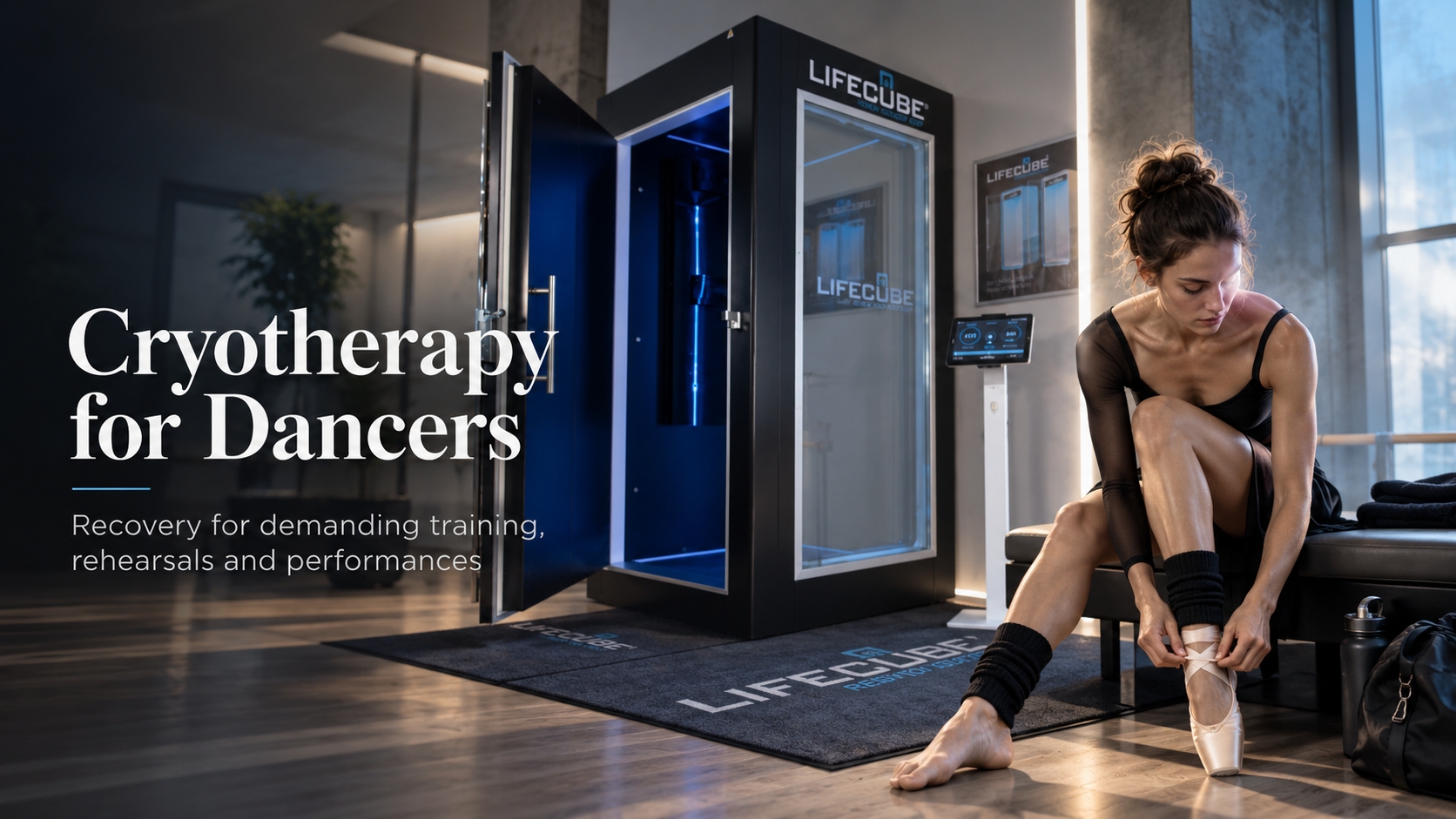
Cold therapy remains one of the most effective tools for reducing inflammation and easing muscle soreness after training or competition. Many UK clubs are now looking at a cryotherapy chamber for sale UK as a long-term investment rather than relying solely on ice baths, since chambers offer more consistent and controlled cold exposure.
A whole body cryotherapy machine allows multiple players to recover in shorter sessions compared to traditional ice baths, which can be a major advantage for clubs working with tight turnaround times between fixtures.
Compression and Stretching Stations
Pneumatic compression boots and dedicated stretching areas help improve blood flow and flexibility after exercise. These stations don’t require much space and are relatively affordable, making them a sensible starting point for clubs with limited budgets.
Hydration and Nutrition Corners
A simple hydration station stocked with electrolyte drinks, protein snacks, and water can make a real difference to how quickly players bounce back. Pairing this with basic nutrition guidance helps reinforce healthy habits beyond just the physical side of recovery.
Designing a Recovery Room for Your Club's Budget and Space
You don’t need a sprawling facility to create an effective recovery area. Many clubs successfully convert a spare room, storage area, or underused corner of their changing facilities into a functional space.
Start by mapping out your priorities: what does your squad need most right now? A small football club might prioritise compression boots and a stretching mat area, while a swimming club with frequent back-to-back competitions might lean towards cold therapy first. Budget, available space, and the specific physical demands of your sport should all shape the final layout.
It’s also worth planning for future growth. Leaving room to add a whole body cryotherapy machine later, for example, means you won’t need to redesign the entire space when your club’s budget increases.
Benefits for Amateur Clubs vs Professional Clubs
Professional clubs typically use recovery rooms to manage tight match schedules, reduce injury downtime among contracted players, and maintain performance across a long season. The financial stakes are high, so even small improvements in recovery speed translate into real value.
Amateur and grassroots clubs benefit differently but just as meaningfully. Many players juggle sport alongside work or studies, so faster recovery means they can train consistently without burning out. A modest recovery setup can also help with player retention, since athletes are more likely to stay loyal to a club that visibly invests in their wellbeing.
How UK Sports Clubs Are Investing in Recovery Spaces
Across the UK, sports clubs of all sizes are treating recovery infrastructure as a genuine investment rather than a luxury add-on. Rugby clubs, football academies, and even university sports programmes have started building dedicated recovery zones into new facility designs.
This shift is partly driven by greater awareness of long-term player health and partly by the growing affordability of recovery equipment. Where a cryotherapy chamber for sale UK might once have seemed out of reach for smaller clubs, increased competition among suppliers has made these systems more accessible than they were just a few years ago.
Final Thoughts and Next Steps
Building a sports recovery room isn’t about chasing trends; it’s about giving athletes the tools they need to train harder, recover faster, and stay on the pitch longer. Whether you’re running a small local club or managing a professional academy, even modest steps toward dedicated recovery space can pay off in player performance and loyalty.
If you’re ready to explore recovery equipment options for your club, including cryotherapy systems suited to UK facilities, get in touch with a specialist supplier to discuss what fits your space, squad size, and budget.
Frequently Asked Questions
What is the main purpose of a sports recovery room?
A sports recovery room helps athletes reduce muscle soreness, manage fatigue, and lower injury risk after training or competition, using tools like cold therapy, compression, and stretching equipment in one dedicated space.
Do small or amateur clubs really need a recovery room?
Yes. Even a basic setup with stretching areas and hydration stations can improve how quickly amateur athletes recover, helping them stay consistent with training and reducing time lost to minor injuries.
Is cryotherapy better than ice baths for sports recovery?
Cryotherapy chambers offer more controlled, consistent cold exposure and shorter session times compared to ice baths, making them appealing for clubs that need to recover multiple players quickly between sessions.
How much space do I need for a sports recovery room?
There’s no fixed requirement. Many clubs start with a small converted room and gradually add equipment such as compression stations or a whole body cryotherapy machine as space and budget allow.
How quickly will a club see results from a recovery room?
Most clubs notice improvements in player soreness and training consistency within a few weeks of regular use, though injury reduction benefits tend to build over a full season.