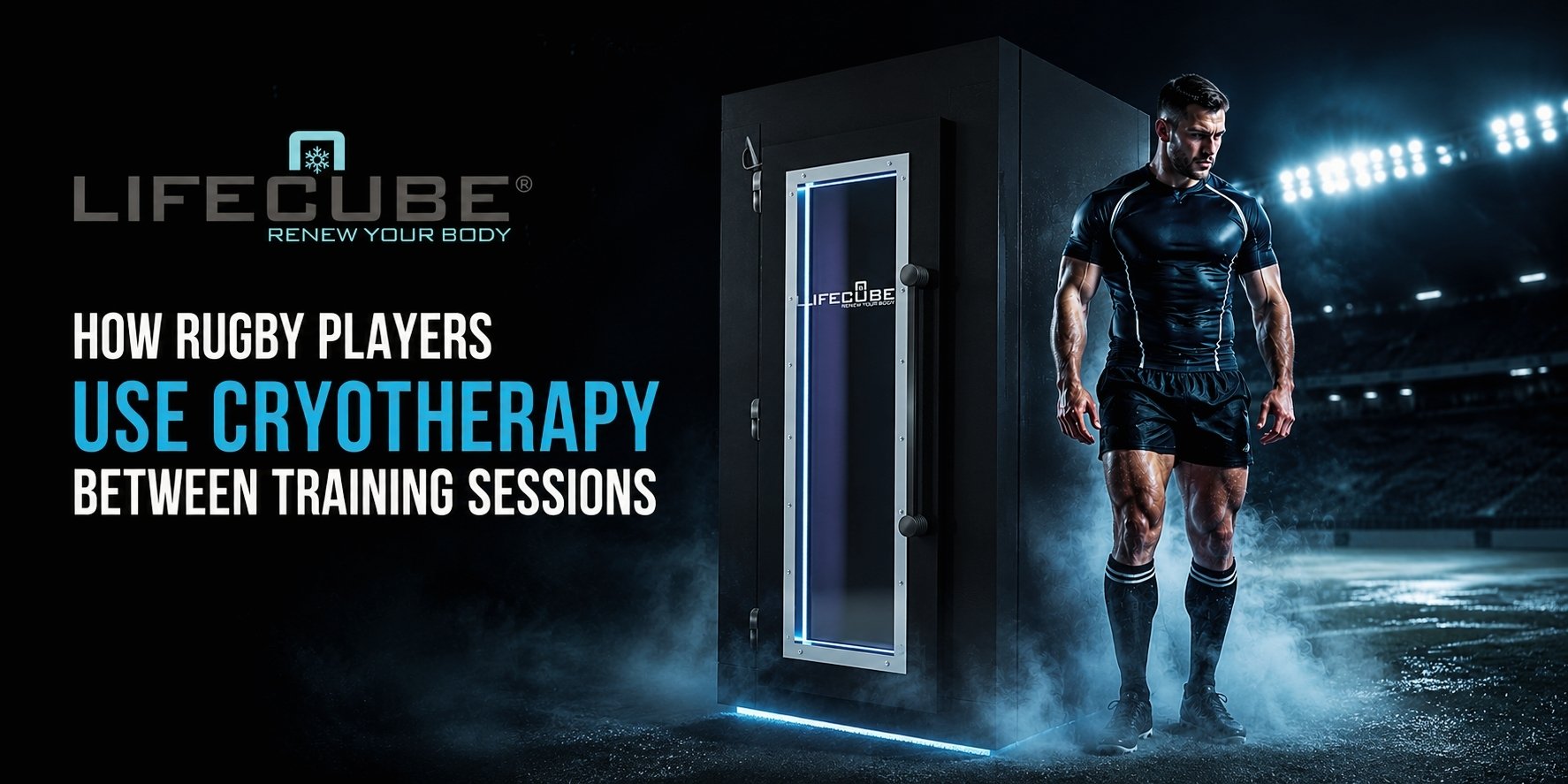

Rugby is one of the most physically demanding sports in the world. Whether you are playing in a local club match in Manchester or training at a professional academy in Bristol, the toll on your body is enormous. Tackles, scrums, sprints, and collisions leave muscles battered and joints inflamed – and with modern rugby schedules growing busier every season, rugby player recovery has become just as important as training itself.
One method that has gained serious traction across the sport – from grassroots clubs to Premiership squads – is cryotherapy. Simply put, cryotherapy uses extreme cold to help the body recover faster. But how does it actually work, and how are rugby players using it between sessions? This guide breaks it all down in plain language, so whether you are a player, coach, or sports therapist, you will come away knowing exactly what cryotherapy can do and how to use it effectively.
What Is Cryotherapy and Why Do Rugby Players Use It?
Cryotherapy is the therapeutic use of cold temperatures to reduce inflammation, ease muscle soreness, and speed up physical recovery. It has been used in sports medicine for decades, originally in the form of ice baths. Today, advanced equipment – including the targeted cryotherapy machine – allows practitioners to apply cold precisely to specific areas of the body, making treatments faster and more effective than traditional methods.
Rugby players sustain significant muscular stress during every session. Hard tackles cause micro-tears in muscle fibres. Scrums put enormous pressure on the neck, shoulders, and spine. Repeated sprints burn through glycogen stores and create lactic acid build-up. Without proper recovery tools, players simply cannot perform at their best the following day.
Cryotherapy addresses this by:
- Reducing inflammation in muscles and joints after intense physical effort
- Numbing nerve endings to provide immediate pain relief
- Constricting blood vessels, which limits swelling in injured tissue
- Triggering a rewarming effect that floods the area with oxygenated blood once treatment ends – accelerating tissue repair
It is this final point that makes cryotherapy particularly powerful. The cold does not just mask the pain – it actively triggers a biological response that speeds up healing.
How Rugby Players Fit Cryotherapy Into Their Training Week
Most professional and semi-professional rugby players follow structured recovery windows between sessions. Here is how cryotherapy typically fits into that schedule:
Immediately After a Match or Intense Training
Within one to two hours of finishing, players are most likely to use a targeted cryotherapy machine on the areas that took the most punishment. For a prop, that might be the shoulders and neck. For a winger, it might be the hamstrings and calves. The treatment window here is short – usually five to ten minutes per area – but the impact on next-day soreness is significant.
The Day After a Match (MD+1)
The morning after a game is often when soreness peaks. This is commonly called “the day after the day after” in rugby circles, and it is where cryotherapy sessions tend to be longer and more comprehensive. Players might spend fifteen to twenty minutes treating multiple muscle groups, working through the areas most affected by the previous day’s effort.
Mid-Week Maintenance
During a typical training week, players use cryotherapy two to three times as a maintenance tool. This keeps inflammation low, supports mobility, and ensures they arrive at Thursday or Friday’s full-contact session feeling physically ready. It is not always about treating injury – it is about keeping the body in peak condition consistently.
Targeted Cryotherapy vs Whole-Body Cryotherapy: Which Is Better for Rugby?
This is one of the most common questions in sports recovery circles, and the honest answer is: it depends on what you need.
Whole-body cryotherapy (WBC) involves stepping into a cryotherapy chamber where the entire body is exposed to temperatures as low as -140°C for two to three minutes. It offers a systemic effect, reducing inflammation across the whole body simultaneously. Many Premiership clubs have WBC chambers in their training facilities for post-match recovery.
Targeted cryotherapy, delivered through a targeted cryotherapy machine, applies a focused stream of cold to a specific joint or muscle group. This is ideal when:
- A player has a localised injury, such as a knee sprain or shoulder strain
- You want to treat a specific area without exposing the whole body to extreme cold
- You need a faster, more practical session that can be done in a clinic or even pitch-side
For most club-level rugby environments in the UK, targeted cryotherapy is the more accessible and cost-effective option. You do not need a purpose-built chamber – a well-chosen best cryotherapy machine for your setup can deliver targeted treatments that rival the results of whole-body systems for localised recovery.
What the Research Says About Cryotherapy for Rugby Player Recovery
The evidence base for cryotherapy in sport has grown considerably in recent years. Studies consistently show that cold therapy reduces markers of inflammation – particularly creatine kinase (CK), which is released into the blood when muscle damage occurs. In rugby players, CK levels spike significantly after matches, and cryotherapy has been shown to reduce those spikes more quickly than passive rest alone.
A key study published in the European Journal of Applied Physiology found that athletes who used cryotherapy post-exercise reported lower perceived muscle soreness at 24 and 48 hours compared to control groups. Another paper, focusing specifically on contact sport athletes, showed improved sprint performance in subsequent training sessions when cryotherapy was used as part of a structured recovery protocol.
What does this mean in practical terms? It means that rugby player recovery is measurably faster and more complete when cryotherapy is included alongside other methods like nutrition, sleep, and stretching.
Choosing the Best Cryotherapy Machine for Your Rugby Setup
If you are a physio, a club coach, or a performance director looking to invest in recovery equipment, choosing the best cryotherapy machine for your environment comes down to several factors:
Portability and Practicality
For touring squads or clubs without dedicated recovery suites, a portable targeted unit is essential. These machines typically run on pressurised CO₂ or liquid nitrogen to produce a precise cold stream. They are lightweight, easy to transport, and require no plumbing or specialist installation.
Treatment Versatility
The best machines allow practitioners to treat a range of body parts – from the ankle to the shoulder – with adjustable temperature and airflow settings. This flexibility is crucial in rugby, where injuries occur across the entire body.
Safety and Clinical Standards
Always look for machines that meet UK and European medical device standards. The best cryotherapy machines are CE marked and come with clear operating guidelines. In a professional environment, ensure that whoever is operating the machine has received appropriate training.
Cost vs. Benefit
Entry-level targeted cryotherapy machines start at around £2,000–£4,000 for club-level use. Professional-grade systems used by Premiership teams can run significantly higher. For most semi-professional or amateur clubs in the UK, a mid-range targeted unit will deliver excellent results without breaking the budget.
Other Recovery Methods That Work Well Alongside Cryotherapy
Cryotherapy is not a standalone solution – it works best as part of a wider rugby player recovery strategy. Here are the methods that complement it most effectively:
Compression therapy: Pneumatic compression boots or sleeves are widely used alongside cryotherapy. They help move waste products like lactic acid out of the muscles and can be used immediately before or after a cryo session.
Nutrition and hydration: Post-match nutrition – particularly protein intake within 30 minutes and carbohydrate replenishment within two hours – supports the tissue repair process that cryotherapy initiates.
Sleep: No recovery protocol is complete without seven to nine hours of quality sleep. Growth hormone, which is critical for muscle repair, is released predominantly during deep sleep stages.
Mobility and active recovery: Light movement the morning after a game – walking, yoga, or a gentle swim – promotes blood flow and helps flush out metabolic waste products.
Contrast therapy: Some teams alternate between cold and heat exposure, using cryotherapy and warm baths in sequence to stimulate alternating vasoconstriction and vasodilation. This is sometimes referred to as contrast therapy and is popular in professional rugby environments.
Make Cryotherapy Part of Your Recovery Routine
Rugby player recovery is no longer an afterthought – it is a strategic priority for players at every level of the game. Cryotherapy, whether delivered through a targeted cryotherapy machine or a whole-body chamber, gives players a genuine edge by reducing inflammation, managing soreness, and shortening the time needed to return to peak performance.
The good news for UK rugby clubs is that access to cryotherapy has never been better. From pitch-side portable units to clinical systems at high street physio practices, there are options for every budget and environment. If you want to train harder, recover smarter, and stay on the pitch longer, cryotherapy deserves a serious place in your weekly routine.
Ready to explore the best cryotherapy machine for your rugby club or practice? Get in touch with our team today to find the right solution for your recovery needs.
Frequently Asked Questions
How long should a cryotherapy session last for rugby player recovery?
For a targeted cryotherapy machine session, treatment typically lasts between five and fifteen minutes per body area. Whole-body cryotherapy sessions in a chamber usually last two to three minutes. The right duration depends on the severity of soreness or injury, but most practitioners recommend starting conservatively and increasing over time as tolerance develops.
Is cryotherapy safe for rugby players with existing injuries?
Generally, yes – but there are important exceptions. Cryotherapy should not be used on open wounds, areas with compromised circulation, or over areas with suspected nerve damage. Players with Raynaud’s phenomenon or cold urticaria (an allergic reaction to cold) should avoid it entirely. Always consult a qualified sports medicine practitioner before beginning cryotherapy if you have a pre-existing condition.
How soon after a rugby match should you use cryotherapy?
Most sports physiotherapists recommend beginning cryotherapy within one to two hours of the final whistle for best results. This is the period when inflammation is actively building, and early treatment can significantly reduce the extent of soreness experienced the following day. That said, cryotherapy continues to provide benefits when used 24–48 hours post-match as well.
Can amateur rugby players benefit from cryotherapy, not just professionals?
Absolutely. While professional clubs have easier access to equipment, the physiological benefits of cryotherapy are exactly the same regardless of level. Many physiotherapy clinics, sports centres, and recovery studios across the UK now offer cryotherapy sessions to the general public. For players who train or compete two to three times a week, it can make a meaningful difference to how they feel and perform.
What is the difference between a targeted cryotherapy machine and an ice pack?
An ice pack applies passive, static cold that slowly penetrates tissue. A targeted cryotherapy machine delivers a high-velocity stream of chilled air or gas at temperatures of -30°C to -80°C or lower, which penetrates deeper and more rapidly. This means faster results, more precise treatment, and the ability to treat areas like the shoulder or hip that are difficult to ice effectively with a pack. The physiological response is also more pronounced, triggering a stronger rewarming and healing effect.