
Introduction: The Recovery Problem Every Sports Club Faces
Ask any performance coach, physio, or club manager what their biggest challenge is – and the answer is rarely fitness or tactics. It’s keeping players on the pitch. Injuries, fatigue, and insufficient recovery time between fixtures cost clubs at every level, from grassroots academies to professional organisations.The good news? Advances in player recovery methods mean you no longer have to choose between competitive training schedules and adequate recovery time. Modern recovery technology – including tools once reserved for elite athletes – is now accessible to a much wider range of clubs and individual athletes.
In this guide, you’ll learn:
- Why traditional recovery falls short
- The most effective science-backed player recovery methods in use today
- How cryotherapy has become one of the most powerful tools for accelerating recovery
- What to consider when investing in a cryotherapy machine for home or club use
- How UK clubs can find the right solution without breaking their budget
Why Traditional Recovery Methods Are No Longer Enough
For decades, standard recovery protocols centred on rest, ice baths, massage, and nutrition. While these approaches still have value, they come with significant limitations:
- Ice baths are uncomfortable, inconsistent in temperature, and difficult to standardise across a squad
- Foam rolling and massage are time-intensive and dependent on availability of physiotherapy staff
- Passive rest between matches doesn’t actively stimulate muscle repair
- Compression garments help but don’t address deep tissue inflammation efficiently
As fixture congestion increases across leagues – particularly post-COVID scheduling in English football, rugby, and netball – clubs need player recovery methods that work faster, more consistently, and with less demand on staff time.
This is exactly where technology-led recovery steps in.
The Most Effective Player Recovery Methods Used by Sports Clubs Today
1. Whole-Body Cryotherapy (WBC)
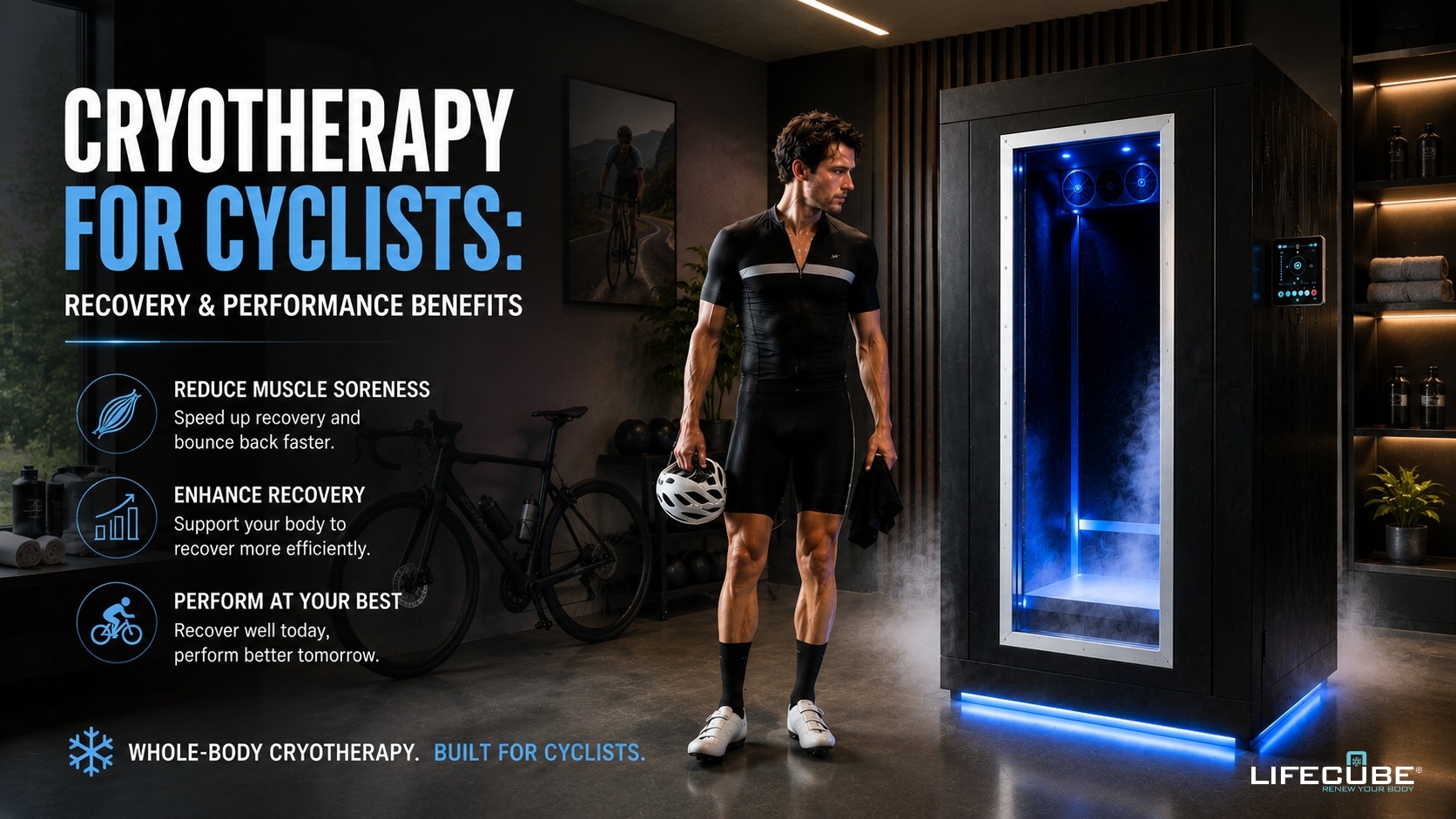
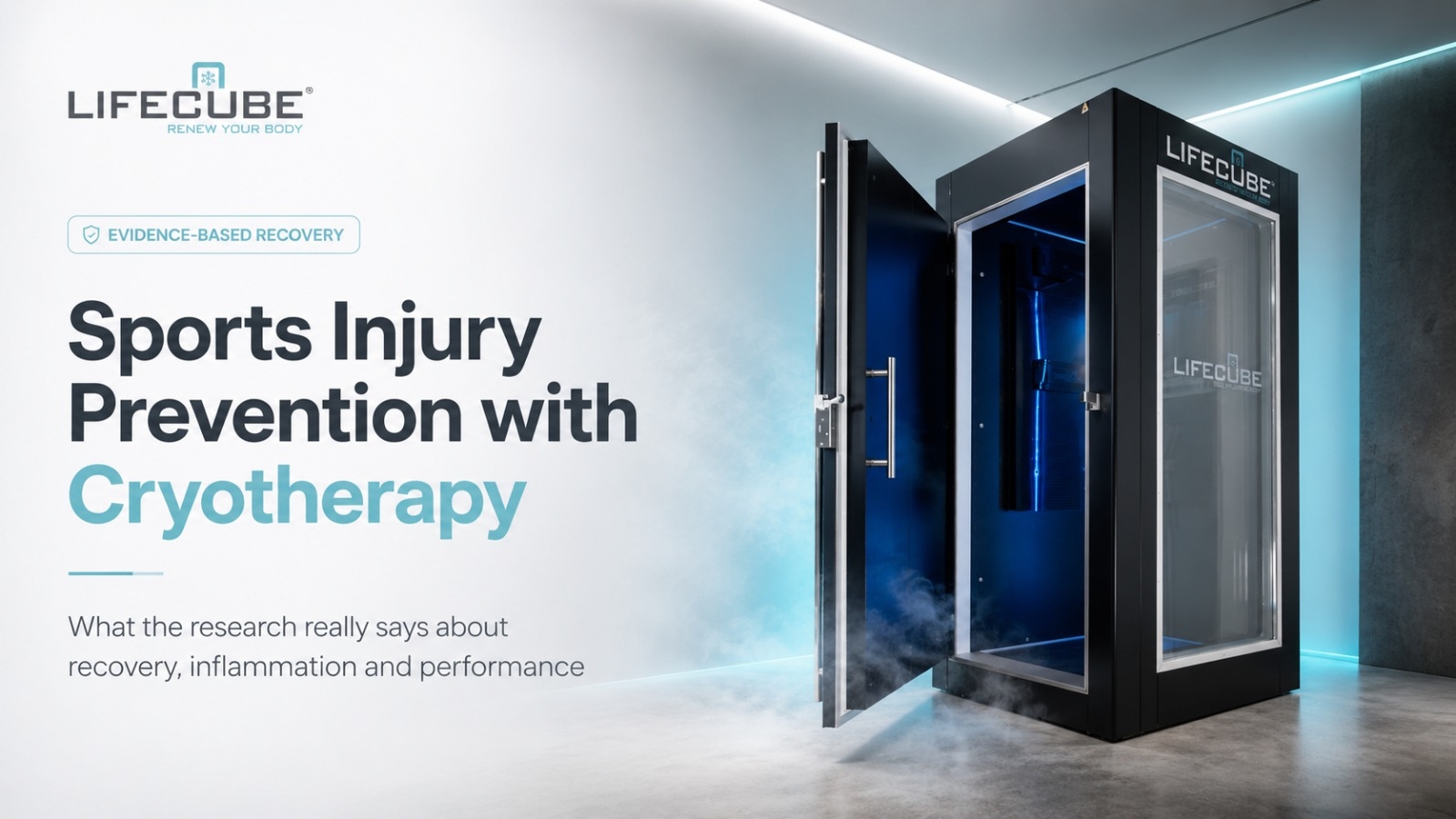
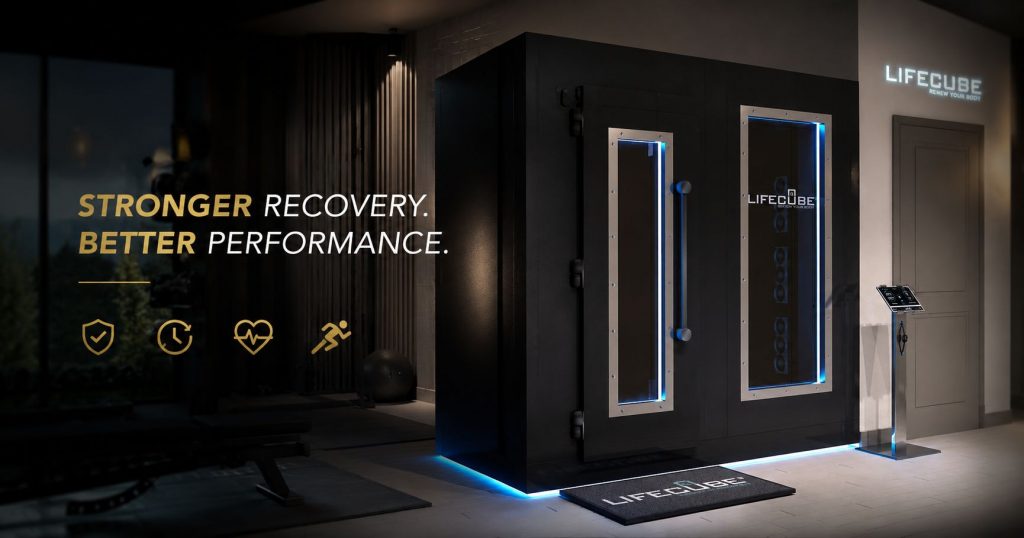
Whole-body cryotherapy is widely considered one of the most advanced player recovery methods available. Players enter a cryotherapy chamber where the body is exposed to ultra-cold temperatures (typically between -110°C and -140°C) for two to three minutes.
The physiological effects are well-documented:
- Rapid reduction in muscle inflammation
- Decreased delayed onset muscle soreness (DOMS)
- Accelerated removal of lactic acid
- Improved sleep quality and hormonal recovery
- Reduced psychological fatigue
Unlike ice baths – which only cool the outer skin – cryotherapy chambers deliver a consistent, controlled cold stimulus across the entire body. This makes the session reproducible, measurable, and far more comfortable for players.
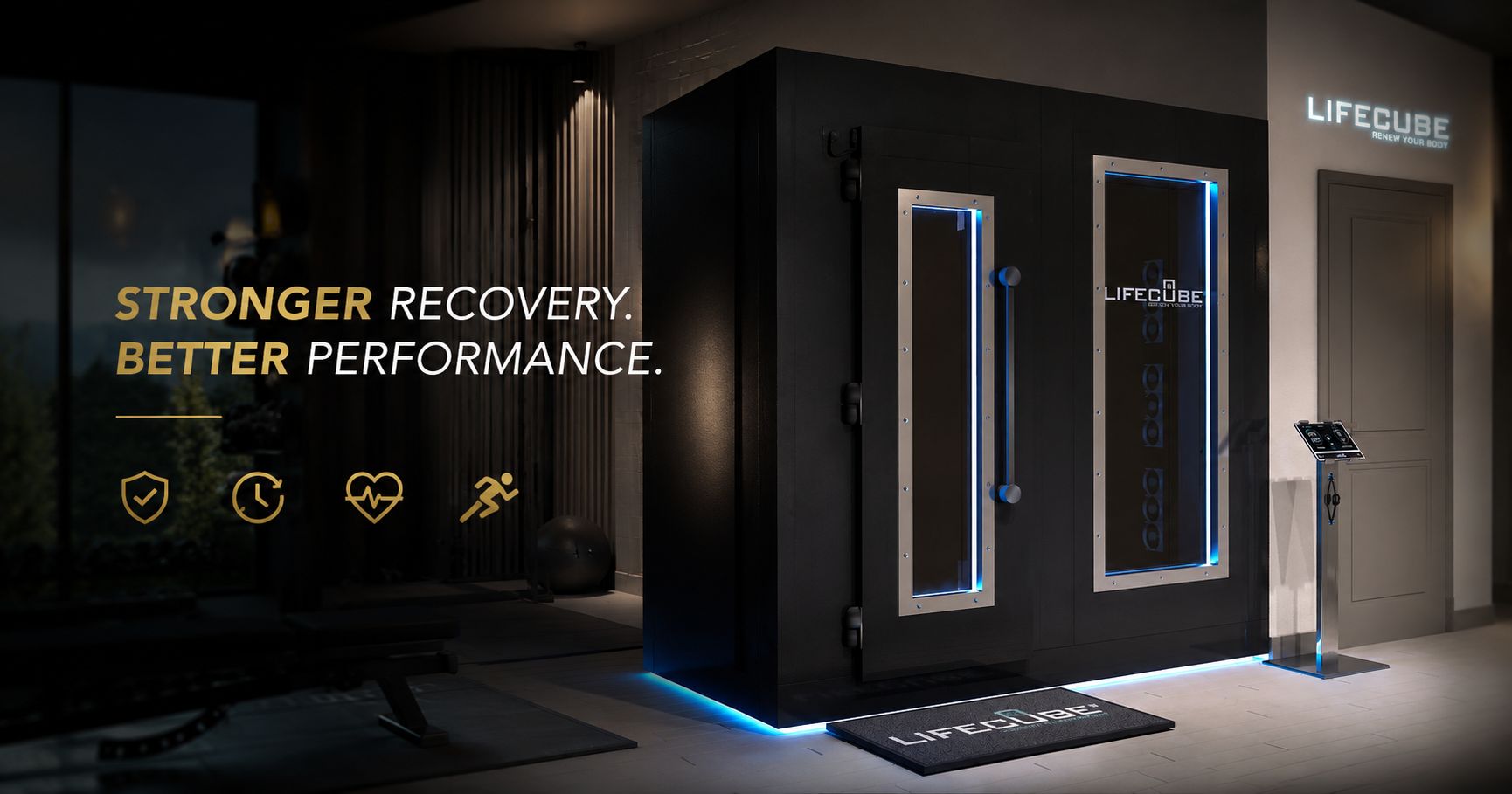
Previously only found in elite club facilities, the emergence of the home cryotherapy machine market means smaller clubs and high-performance individuals can now access this technology directly. Companies such as Life Cube offer professional-grade cryotherapy machines for home and club environments across the UK.
2. Contrast Water Therapy
Alternating between hot and cold water immersion stimulates the vascular system, driving blood in and out of muscle tissue. This “pumping” effect removes metabolic waste and delivers oxygenated blood to areas of micro-damage.
While effective, contrast water therapy requires dedicated facilities and significant setup – making it less practical for clubs without permanent hydro suites.
3. Compression Therapy and Pneumatic Recovery Boots
Pneumatic compression devices – often referred to as “recovery boots” – use sequential air pressure to enhance circulation in the legs. They are particularly effective for footballers, rugby players, and distance athletes who carry heavy training loads in the lower limbs.
Recovery boots are a useful complement to primary player recovery methods, particularly when used 30–90 minutes post-training.
4. Sleep Optimisation Protocols
Sleep is still the most underutilised recovery tool in team sport. High-quality, uninterrupted sleep between 8–10 hours is associated with higher testosterone and growth hormone output – both critical for muscle repair.
Clubs investing in sleep tracking technology, blackout facilities, and education programmes for players see measurable reductions in soft tissue injury rates over a season.
5. Nutrition Timing and Hydration
Post-training nutrition windows (typically within 30–45 minutes of exercise) maximise protein synthesis and glycogen replenishment. Combined with structured hydration protocols, this remains a cornerstone of any player recovery plan – and one that costs nothing beyond planning.
Why Cryotherapy Is the Standout Recovery Investment for UK Sports Clubs
Among all modern player recovery methods, cryotherapy stands apart for one key reason: it delivers measurable results in under three minutes per player, without requiring staff supervision for extended periods.
Consider a squad of 20 players rotating through a session each requiring 90 minutes of ice bath and massage recovery. That’s a significant drain on physio time and resources. A cryotherapy machine can process the same squad in under an hour, with consistent results across every session.
The Rise of the Home Cryotherapy Machine in the UK
One of the most significant developments in recovery science over the last five years has been the arrival of the home cryotherapy machine market in the UK. What was previously only available in elite facilities is now accessible to:
- Semi-professional and academy clubs
- High-performance personal trainers and coaches
- Individual athletes serious about longevity and performance
- Sports rehabilitation clinics
Investing in a cryotherapy machine for home use – or installing one at a club facility – allows teams to perform post-training recovery sessions without travelling to specialist centres, saving time and making recovery a consistent, non-negotiable part of the training week.
Buying a Cryotherapy Machine in London: Key Factors to Consider
If you’re exploring cryotherapy machines for your club, training facility, or personal use in the UK, here are the most important factors to evaluate before making a purchase decision.
Safety Certifications and Compliance
Any cryotherapy machine for home or commercial use in the UK should carry relevant CE marking and comply with applicable safety standards. Nitrogen-based systems require proper ventilation protocols; electric cryotherapy chambers are typically considered safer for environments without specialist installation infrastructure.
Always verify that the supplier provides full safety documentation, operator training, and ongoing technical support.
Chamber Type: Nitrogen vs. Electric
- Nitrogen-based cryosaunas cool rapidly and reach very low temperatures quickly, but require nitrogen supply logistics
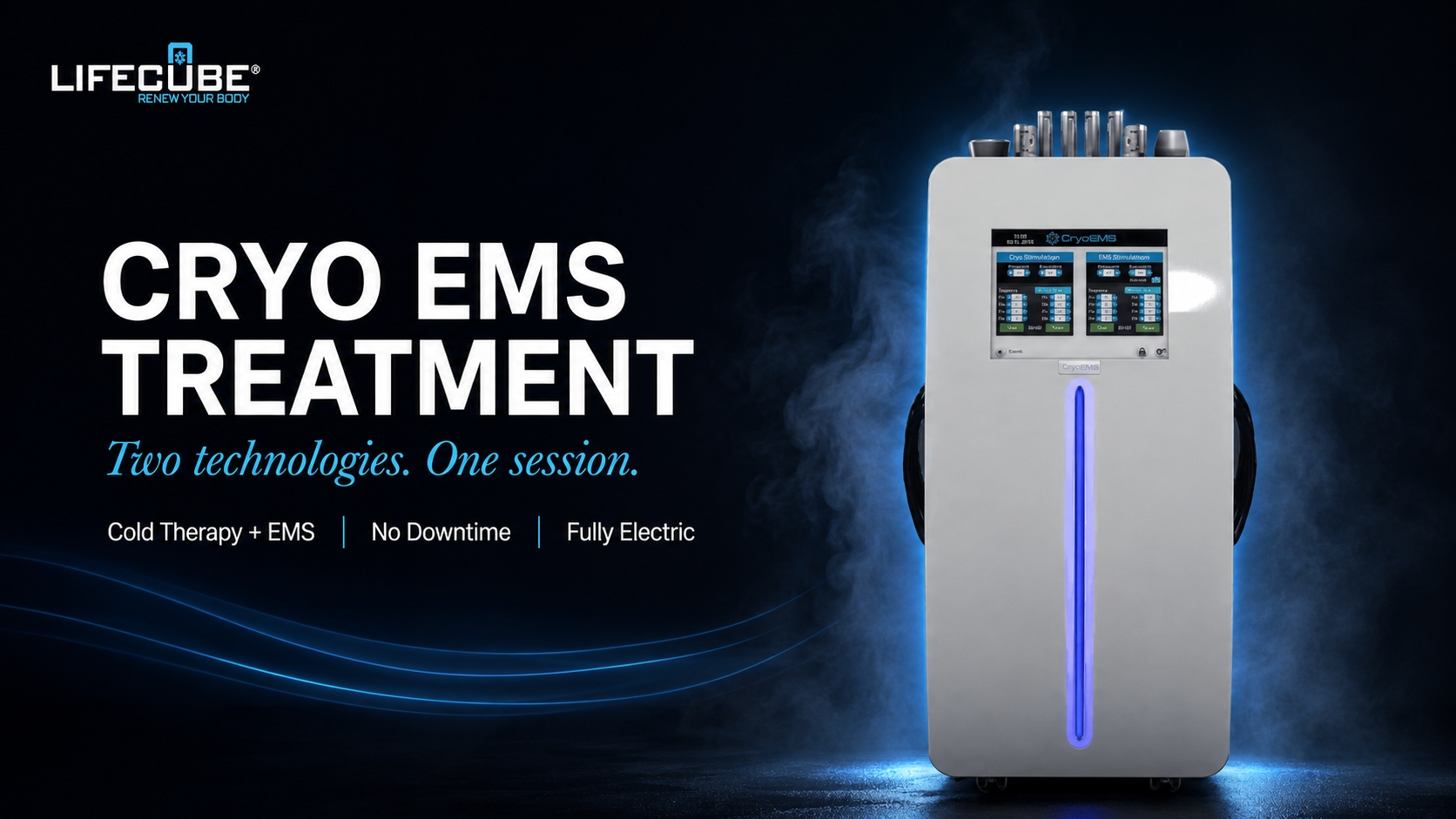
- Electric cryotherapy chambers use refrigeration technology and are generally more convenient for club environments – no gas refilling, consistent temperature, and lower ongoing operating costs
For UK clubs and individuals considering a home cryotherapy machine, electric chambers are increasingly the preferred option.
Running Costs and Maintenance
Purchase price is only part of the equation. Ask suppliers about:
- Energy consumption per session
- Maintenance schedules and service contracts
- Replacement parts availability in the UK
- Expected lifespan of the unit
A well-maintained cryotherapy chamber should deliver thousands of sessions over its lifespan, making the cost-per-session extremely competitive with alternative recovery modalities.
Supplier Reputation and UK Support
For clubs in London and across the UK, working with a supplier who has a strong service presence domestically is essential. A cryotherapy machine is a long-term investment – you need reliable after-sales support, rapid response to technical issues, and ideally a supplier who understands the demands of sports club environments.
Companies such as Life Cube specialise in providing home cryotherapy machines and professional cryotherapy solutions to the UK market, with experience supporting clubs, clinics, and individual performance athletes.
How to Integrate Cryotherapy Into Your Club’s Recovery Protocol
Introducing cryotherapy doesn’t require rebuilding your entire recovery structure. Here’s a practical framework for integrating it effectively:
Step 1 – Post-Match or Post-Training Priority Sessions Schedule cryotherapy sessions within 30–60 minutes of the final whistle or training session. This is when the anti-inflammatory and recovery benefits are greatest.
Step 2 – Stagger Player Groups With most cryotherapy chambers allowing two to three players simultaneously (depending on the unit), stagger squad groups through the session to minimise downtime.
Step 3 – Combine With Nutrition Follow cryotherapy with a structured nutrition window – protein shake, high-quality carbohydrates – to maximise recovery synergy.
Step 4 – Track and Measure Use RPE (Rate of Perceived Exertion) and HRV (Heart Rate Variability) scores before and after introducing cryotherapy to measure its impact on your squad’s recovery benchmarks.
Step 5 – Educate Players Player buy-in is critical. When athletes understand the physiological reasoning behind a player recovery method, compliance and consistency improve dramatically.
Investing in the Right Player Recovery Methods Pays for Itself
The clubs and athletes who win over a long season aren’t always the ones who train the hardest – they’re the ones who recover the smartest. Modern player recovery methods, and particularly whole-body cryotherapy, have moved from elite privilege to practical necessity for any serious sporting programme.
Whether you’re managing a semi-professional squad in London, running an academy, or a high-performance individual looking to extend your athletic career, investing in a home cryotherapy machine or club cryotherapy solution is one of the highest-return decisions you can make for performance and injury prevention.
Ready to explore cryotherapy solutions for your club or home facility? Visit Life Cube to browse professional-grade cryotherapy machines for home and commercial environments, and speak to a UK-based expert about the right solution for your needs.
FAQ: Player Recovery Methods and Cryotherapy
Q1: How quickly does cryotherapy work for player recovery?
Most athletes report a noticeable reduction in muscle soreness within 24 hours of a cryotherapy session. The anti-inflammatory response begins immediately during the treatment and continues for several hours post-session. For player recovery, this means players can return to high-intensity training significantly sooner than with passive rest alone.
Q2: Is a cryotherapy machine for home use safe?
Yes – when used correctly with proper safety protocols. Electric home cryotherapy machines are designed for non-specialist environments and include built-in safety systems. It’s essential to purchase from a reputable UK supplier who provides full operator training and documentation.
Q3: How much does a cryotherapy machine cost in the UK?
Entry-level professional cryotherapy machines suitable for home or small club use start from approximately £20,000–£40,000 in the UK market, with larger commercial chambers ranging higher. Running costs are typically low relative to the volume of sessions delivered. Always request a full cost-of-ownership breakdown from your supplier.
Q4: Can cryotherapy replace other player recovery methods?
Cryotherapy is most effective when integrated into a comprehensive player recovery protocol alongside proper nutrition, sleep, and active recovery work. It is a powerful accelerator rather than a standalone solution.
Q5: What sports benefit most from cryotherapy recovery?
Cryotherapy is widely used across football, rugby, cricket, cycling, athletics, and combat sports. Any sport with high training volume, contact elements, or tight fixture schedules benefits significantly from whole-body cryotherapy as a core player recovery method.