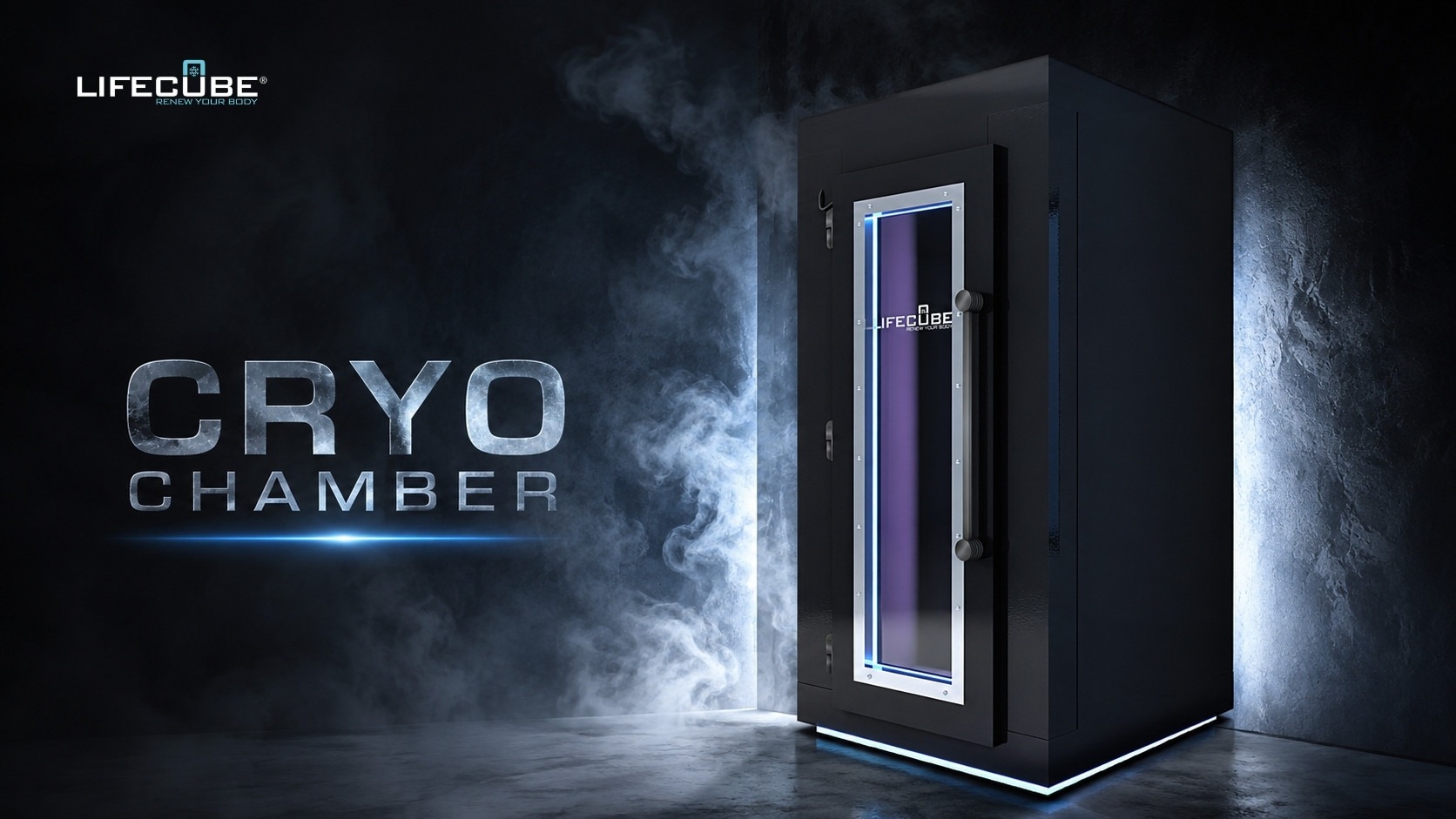

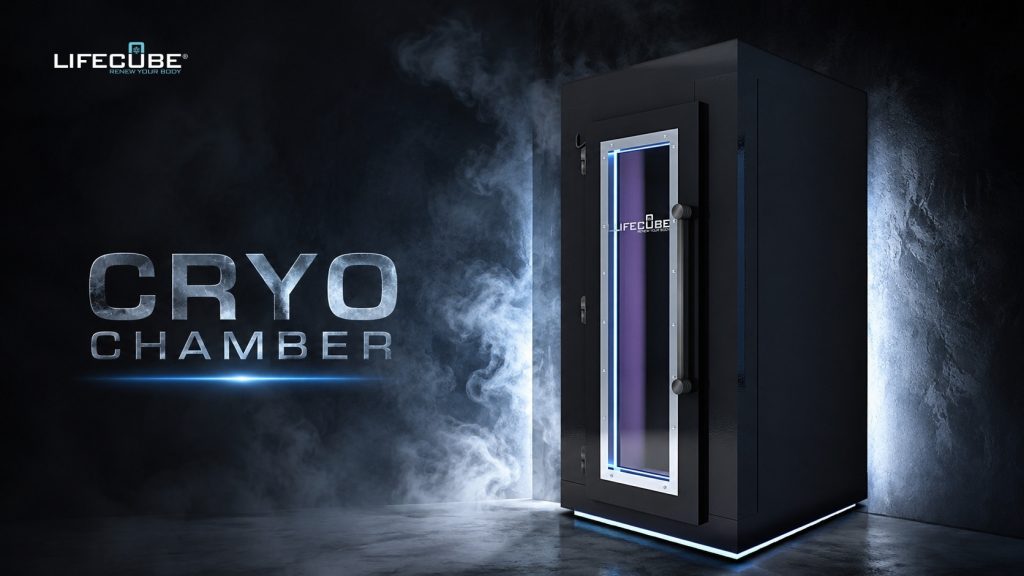
If you’re searching for a cryotherapy machine in London, you already know the therapy is booming. Elite sports clubs, wellness studios, physio clinics, and luxury spas across the UK are adding cryo chambers to their treatment menus – and with good reason. Whole-body cryotherapy offers documented benefits for recovery, inflammation, pain management, and even mood.
But buying the wrong machine is an expensive mistake. Prices range from a few thousand pounds to well over £100,000, and not every unit on the market is built to the same standard. Whether you’re opening a new wellness facility or upgrading an existing one, this guide walks you through the 10 key questions you must ask before purchasing a cryotherapy chamber – so you invest with confidence and avoid costly surprises.
1. What Type of Cryotherapy Chamber Best Suits Your Needs?
Not all cryo chambers are the same, and the differences go well beyond price. Before you start comparing models, it helps to understand what’s available.
Electric vs. Nitrogen-Based Systems
Electric whole body cryotherapy machines use refrigeration technology to cool the chamber – similar in principle to a walk-in freezer but designed for therapeutic use. They’re generally considered safer because they cool the air rather than flooding the space with cryogenic gas. There’s no risk of oxygen displacement, which makes them a preferred choice for unattended or less-supervised settings.
Nitrogen-cooled chambers use liquid nitrogen to drop temperatures rapidly, often reaching -110°C to -140°C. They can achieve colder temperatures faster, which some practitioners prefer. However, they require careful ventilation, ongoing nitrogen supply contracts, and a higher level of operator training.
Partial-body cryo units (where the user’s head remains outside) are a lower-cost entry point, but whole body cryotherapy machines – where the entire body is enclosed – are now the clinical and commercial standard for serious facilities.
Key question to ask suppliers: Is this an electric or nitrogen system, and what ongoing consumable costs should I budget for?
2. Is the Machine CE Marked and Compliant with UK Regulations?
This is non-negotiable. Any cryotherapy chamber for sale in the UK should carry a CE mark (or the UK Conformity Assessed UKCA mark for post-Brexit compliance), confirming it meets European or British safety standards.
Beyond the mark itself, ask:
- Is it classified as a medical device or a wellness appliance? (This affects your insurance and liability)
- Does it comply with Machinery Directive 2006/42/EC or the relevant UK equivalent?
- Has it been independently tested and certified by a notified body?
Reputable London suppliers will have this documentation ready. If a vendor hesitates or cannot provide certification paperwork, walk away.
3. What Temperature Range Does It Achieve – and How Consistently?
Therapeutic cryotherapy protocols typically operate between -85°C and -140°C. The key isn’t just the minimum temperature – it’s how consistently the chamber holds that temperature throughout a two- to three-minute session.
Ask suppliers for:
- The verified minimum operating temperature
- Average pull-down time (how long it takes to reach target temperature)
- Temperature variation data during a session (particularly relevant for larger walk-in chambers)
- Recovery time between sessions
A machine that hits -130°C but loses 20°C during a session is less effective than one that holds -110°C steadily throughout. If you’re running back-to-back bookings, recovery time between sessions also directly affects your throughput and revenue.
4. How Many People Can Use It Per Hour?
This is a business-critical question that many buyers overlook. If you’re running a commercial cryotherapy operation in London – a city where studio time and floor space are both expensive – your sessions per hour will determine whether the investment is viable.
Factors affecting throughput include:
- Pull-down time between sessions
- Whether the unit is single-person or multi-person
- Changeover time for cleaning and dressing rooms
- Whether clients share the chamber or use it individually
A good commercial whole body cryotherapy machine should allow at least 3–4 sessions per hour for a single-person unit, with minimal downtime between bookings.
5. What Safety Features Are Built In?
Safety is paramount when you’re exposing clients to extreme cold. A well-engineered cryotherapy chamber will have multiple layers of protection built into the hardware and software.
Look for:
- Emergency stop button accessible from inside and outside the chamber
- Oxygen monitoring system (especially important for nitrogen chambers) with automatic shut-off
- Temperature override sensors to prevent dangerous overcooling
- Door release from inside – clients must always be able to exit without assistance
- Automatic session timer that terminates the session after the prescribed time
- Interlock systems that prevent the unit from operating if safety parameters aren’t met
Ask the supplier for the full safety specification sheet and check whether their emergency protocols align with UK Health and Safety Executive (HSE) guidelines.
6. What Does the Warranty and After-Sales Support Look Like?
A cryotherapy machine is not a set-and-forget purchase. Like any complex refrigeration equipment, it requires regular servicing, calibration, and occasional parts replacement. The quality of after-sales support can make or break your experience as an owner.
Before committing to any cryotherapy machine London supplier, find out:
- What is the standard warranty period? (Look for a minimum of 12–24 months on parts and labour)
- Is there a UK-based engineering team for call-outs?
- What is the average response time for urgent repairs?
- Are spare parts held in the UK, or do they need to be shipped from overseas?
- Is there a planned maintenance schedule, and what does it cost annually?
Downtime is lost revenue. A supplier with strong UK-based technical support is worth paying a premium for.
7. What Is the Total Cost of Ownership?
The sticker price of a cryotherapy chamber is just the beginning. Savvy buyers always calculate the total cost of ownership (TCO) over a three-to-five-year period.
Include in your calculations:
- Purchase price or lease/finance cost
- Installation (electrical upgrades, ventilation, structural changes)
- Annual maintenance and servicing contract
- Liquid nitrogen supply costs (if applicable)
- Electricity consumption (electric units can be energy-intensive)
- Staff training
- Operator certification or insurance requirements
A cheaper machine with high running costs and poor support can easily cost more than a premium unit over five years. When looking at any cryotherapy chamber for sale UK, insist on a full TCO breakdown before signing anything.
8. What Training and Certification Do You Need to Operate It?
This is an area where UK buyers sometimes get caught out. Operating a whole body cryotherapy machine in a commercial setting carries real responsibilities – to your clients, your staff, and your insurers.
Ask the supplier:
- What operator training do they provide, and is it included in the purchase price?
- Is training CPD-accredited or recognised by a professional body?
- What qualifications do staff need before operating the machine unsupervised?
- Do they provide training materials, protocols, and client consent forms?
Many insurance providers now require documented training for anyone operating cryotherapy equipment commercially. Getting this right from day one protects you legally and clinically.
9. Does It Integrate with Your Existing Facility?
A cryotherapy chamber doesn’t exist in isolation – it needs to fit into your operational and physical environment. Practical integration questions include:
- Space requirements: What are the external footprint dimensions, and is there sufficient ceiling height?
- Power supply: Does it require a three-phase supply or a standard 240V connection?
- Ventilation: Does the unit require dedicated HVAC modifications?
- Noise levels: Is the compressor noise acceptable for your setting?
- Software integration: Does it come with booking system software or integrate with your existing CRM?
For London facilities in particular – where premises are often converted buildings with limited plant room space – these practical details can significantly affect the viability of your purchase.
10. What Do Existing Customers Say?
This last question is the simplest but often the most revealing. Any reputable supplier of cryotherapy machines in London should be happy to provide:
- Case studies or testimonials from UK-based operators
- Site visit opportunities to see the machine in operation
- Contact details for reference customers you can speak to directly
Online reviews, industry forums, and LinkedIn connections in the wellness and sports recovery sector can also give you an unfiltered view of what it’s really like to own and operate a particular machine.
Make Your Investment Work Harder
Investing in a cryotherapy machine in London is a significant decision – one that will shape the quality of service you deliver and the financial returns you achieve for years to come. By asking these 10 questions before you buy, you put yourself in a far stronger position to choose the right unit, from the right supplier, at the right price.
Don’t be rushed by promotional timelines or aggressive sales tactics. A reputable supplier will welcome your scrutiny, provide full documentation, and give you the time you need to make a well-informed choice.
Ready to take the next step? Contact our team today for an independent consultation on the best whole body cryotherapy machines available in the UK, including site assessments, ROI modelling, and access to the latest cryotherapy chambers for sale UK-wide. We help wellness businesses and clinical facilities make confident, informed purchasing decisions.
Frequently Asked Questions
How much does a cryotherapy machine cost in the UK?
Entry-level partial-body units start from around £15,000–£25,000, while professional whole body cryotherapy machines suitable for commercial use typically range from £40,000 to over £100,000 depending on the technology, brand, and specification. Leasing and finance options are widely available and can reduce upfront capital requirements significantly.
Do I need planning permission to install a cryotherapy chamber in London?
In most cases, installing a cryo chamber inside an existing commercial premises does not require planning permission, but you may need building regulations approval if structural changes, new electrical circuits, or significant ventilation works are required. Always consult your local council and a qualified building surveyor before proceeding.
Is cryotherapy regulated in the UK?
Cryotherapy occupies a grey area in UK regulation. It is not regulated as a medical device unless specific clinical claims are made. However, operators are subject to general health and safety law, consumer protection regulations, and have a duty of care to clients. Professional bodies such as the UK Cryotherapy Association provide guidance on best practice, and commercial operators should carry appropriate public liability and treatment liability insurance.
How long does a whole body cryotherapy session last?
A standard whole body cryotherapy session lasts between two and three minutes. The extreme cold triggers the body’s natural response mechanisms without causing tissue damage within this timeframe. Sessions are typically bookable at 15–30 minute intervals when accounting for preparation and changeover time.
What is the difference between a cryotherapy chamber and a cryosauna?
A cryosauna (or cryo cabin) is a partial-body unit where the client’s head remains outside the chamber throughout the session. A whole body cryotherapy chamber encloses the client entirely. Whole body chambers are generally preferred for clinical applications and are considered the gold standard for serious commercial and therapeutic use.