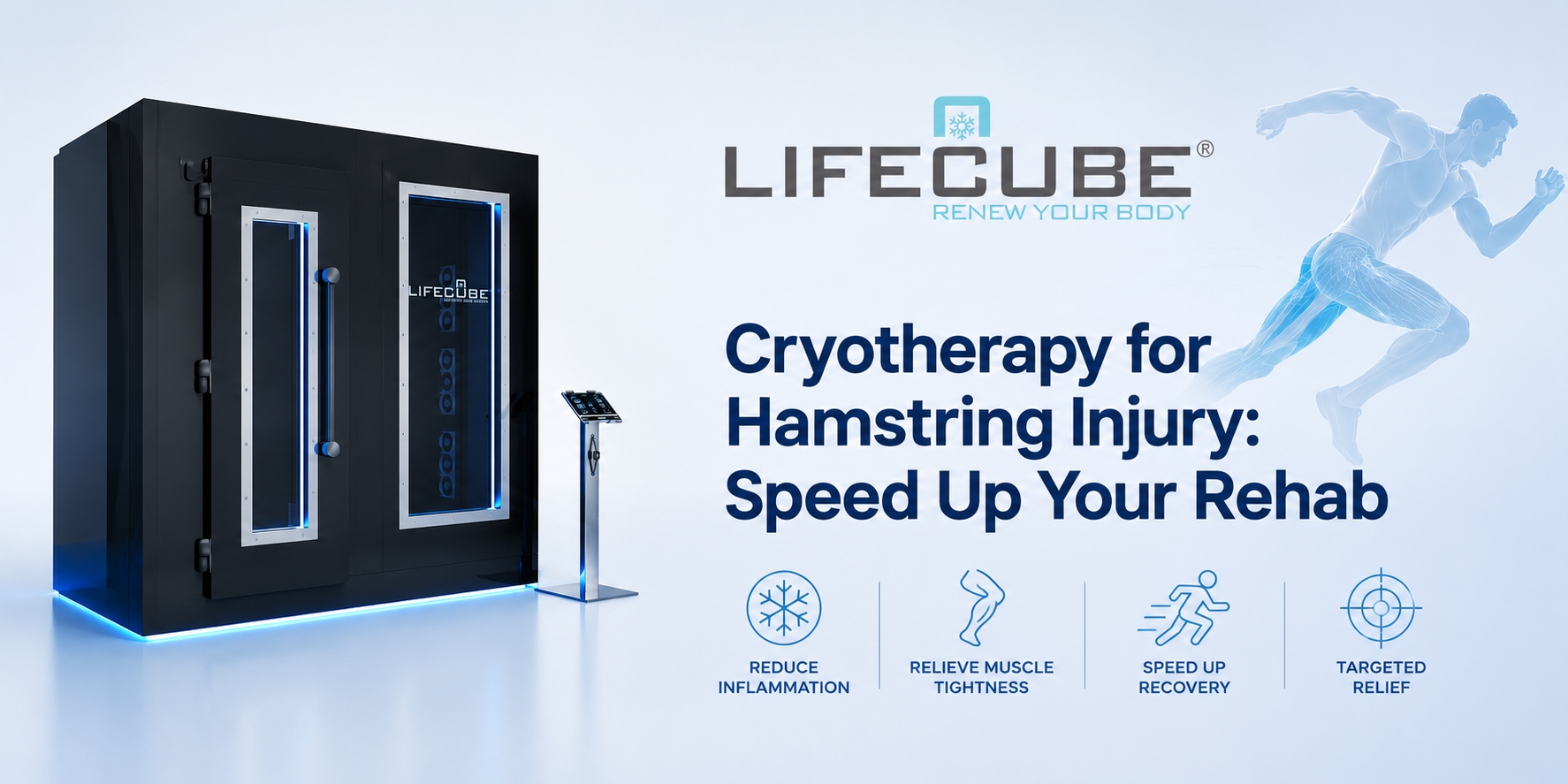

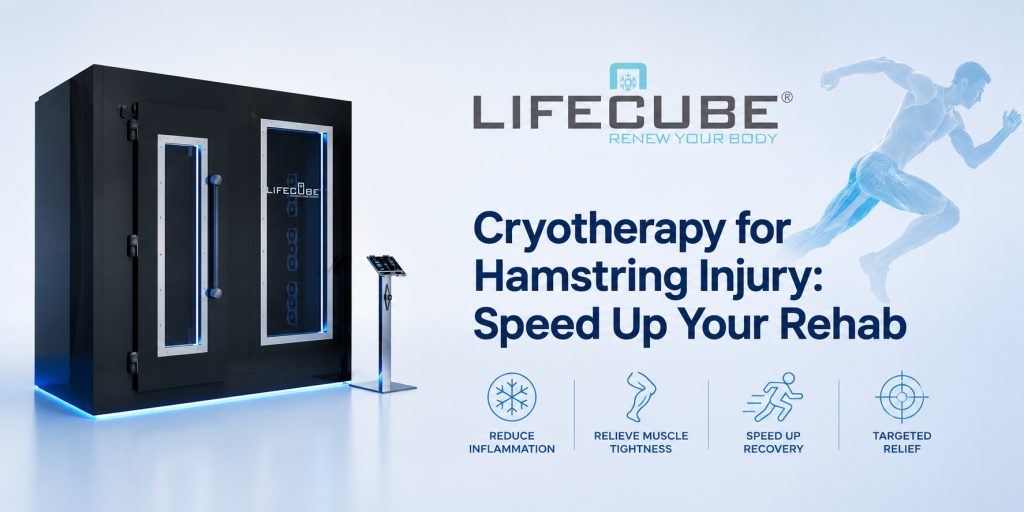
Cryotherapy for Hamstring Injury: Can Cold Therapy Speed Up Rehab?
A pulled hamstring can sideline you for weeks, whether you’re a weekend footballer or a marathon trainer. Cold therapy has long been the go-to first aid response, but a newer approach is gaining ground in clinics across the UK: cryotherapy hamstring injury treatment using whole-body or localised cold exposure.
In this article, we’ll look at how cryotherapy works for hamstring injuries, what the evidence actually says, and how physiotherapy clinics are using a cryotherapy unit or targeted cryotherapy machine to support faster, safer recovery. You’ll also learn practical tips on timing, technique, and what to expect during rehab.
What Is a Hamstring Injury and Why Does It Happen?
The hamstrings are a group of three muscles running along the back of your thigh. They’re heavily involved in sprinting, jumping, and sudden changes of direction, which is why they’re one of the most commonly strained muscle groups in sport.
Injuries range from a mild strain (Grade 1) to a partial tear (Grade 2) or complete rupture (Grade 3). Most recreational injuries fall into the first two categories and typically need anywhere from two to eight weeks of structured rehab.
Common causes include inadequate warm-up, muscle fatigue, poor flexibility, and returning to activity too soon after a previous strain. Understanding the cause matters because it shapes the recovery plan your physiotherapist recommends.
How Cryotherapy Works for Hamstring Injury Recovery
Cold therapy has been used for soft tissue injuries for decades, largely through ice packs and cold compression. Cryotherapy hamstring injury treatment takes this further by exposing the body, or a specific area, to much lower temperatures for a short, controlled burst.
The theory is straightforward. Cold exposure narrows blood vessels (vasoconstriction), which can reduce swelling and slow nerve conduction, dulling pain signals. When the body warms back up, blood flow increases again, potentially helping flush out inflammatory byproducts.
For hamstring injuries specifically, this cycle may help manage the early swelling and discomfort that comes with a strain, while also supporting the muscle’s transition into the repair phase.
Localised vs Whole-Body Cryotherapy
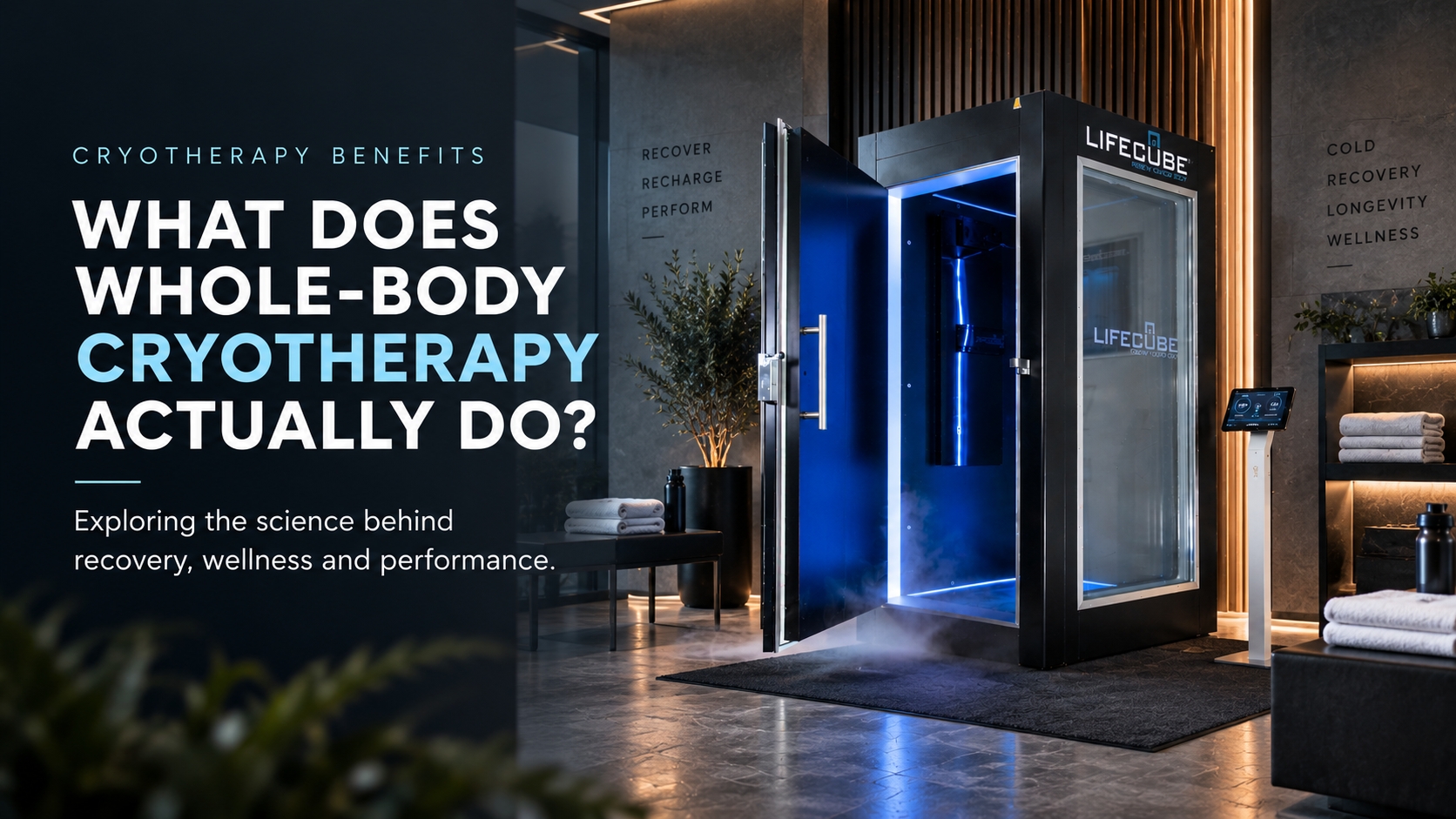
There are two main approaches worth understanding. Whole-body cryotherapy exposes the entire body to extreme cold for a short session, typically two to three minutes, and is often used for general recovery and inflammation management.
Localised cryotherapy, delivered through a targeted cryotherapy machine, focuses cold air directly on the injured area. This is often preferred for hamstring strains because it allows more precise, sustained cooling exactly where the muscle damage has occurred.
Many UK physiotherapy clinics now offer both options, choosing the method based on injury severity, the athlete’s training schedule, and what’s practical for the treatment room.
The Evidence: Does Cryotherapy Actually Speed Up Hamstring Rehab?
Research into cryotherapy for muscle injuries is still developing, and results are mixed rather than definitive. Some studies suggest cold exposure can reduce perceived pain and swelling in the first 48 to 72 hours after a strain.
Other research questions whether cryotherapy meaningfully speeds up the underlying tissue repair process, since some inflammation is actually part of healing. This is an active area of debate among sports medicine professionals.
What most clinicians agree on is that cryotherapy can be a useful tool for symptom management, particularly pain relief and reduced swelling, which in turn may allow patients to engage more comfortably with active rehab exercises sooner.
It’s worth being realistic here: cryotherapy isn’t a substitute for proper rehabilitation. It works best as one part of a broader plan that includes stretching, strengthening, and a gradual return to activity.
When to Use Cryotherapy After a Hamstring Strain
Timing matters. In the acute phase, typically the first 24 to 48 hours after injury, cold therapy is most commonly recommended to manage swelling and pain, often alongside rest, compression, and elevation.
As you move into the subacute phase, some clinics introduce sessions using a cryotherapy unit as part of a broader recovery protocol, particularly for athletes managing training loads around competition schedules.
A physiotherapist will usually assess the grade of your strain before recommending a specific cryotherapy schedule, since a Grade 1 strain and a Grade 3 tear call for very different approaches.
Signs You Should See a Physiotherapist First
Not every hamstring twinge needs a clinic visit, but certain signs warrant professional assessment before starting any cold therapy programme. These include sudden sharp pain during activity, visible bruising, or difficulty bearing weight.
A physiotherapist can confirm the grade of injury, rule out a full tear, and build a tailored rehab plan. Attempting to self-treat a more serious tear with cryotherapy alone can delay appropriate care.
What Happens During a Cryotherapy Session for Hamstring Injury
If you visit a clinic offering localised treatment, sessions are typically short, often three to ten minutes, using a targeted cryotherapy machine aimed directly at the back of the thigh. You’ll usually remain clothed in light, dry clothing over the treatment area.
Whole-body sessions in a cryotherapy unit are even shorter, generally under three minutes, and involve standing in a chamber cooled with refrigerated air while wearing minimal clothing, gloves, and foot coverings for safety.
Most people describe the sensation as an intense but bearable cold, similar to stepping into freezing outdoor air, rather than uncomfortable pain. Clinics monitor session length and temperature closely to keep treatment safe.
Combining Cryotherapy With Other Hamstring Rehab Methods
Cryotherapy works best as part of a layered recovery approach rather than a standalone fix. Most UK physiotherapy clinics pair cold therapy with hands-on techniques, guided stretching, and progressive strengthening exercises.
In the early stages, gentle isometric exercises are often introduced once acute pain settles, helping maintain muscle activation without overloading the healing tissue. Cryotherapy sessions may be scheduled either before or after these exercises, depending on clinical judgement.
As rehab progresses, the focus shifts toward eccentric strengthening, which research consistently links to reduced re-injury rates in hamstring strains. Cold therapy can continue to play a supporting role in managing soreness during this more demanding phase.
Risks and Precautions to Know Before Trying Cryotherapy
Cryotherapy is generally considered safe when administered by trained professionals, but it’s not suitable for everyone. People with certain cardiovascular conditions, uncontrolled high blood pressure, or cold sensitivity disorders like Raynaud’s should consult a doctor first.
Pregnant women and anyone with open wounds near the treatment area are typically advised to avoid sessions. Reputable clinics will always run a health screening before your first appointment.
Overuse is another consideration. More cold exposure isn’t automatically better, and following a clinician’s recommended frequency helps avoid skin irritation or excessive numbness in the treated area.
Final Thoughts: Is Cryotherapy Worth Trying for Your Hamstring Injury?
Cold therapy remains one of the most accessible early tools for managing a hamstring strain, and modern cryotherapy takes this a step further with more controlled, targeted cooling options. Used alongside proper rehab exercises, it may help you manage pain and get back to movement more comfortably.
The evidence isn’t conclusive that cryotherapy dramatically speeds up tissue healing itself, but its role in symptom management makes it a reasonable addition to a well-rounded recovery plan.
If you’re dealing with a hamstring injury and want to explore whether a cryotherapy unit or targeted cryotherapy machine could support your rehab, speak with a qualified physiotherapist about incorporating cold therapy into your treatment plan. A proper assessment is always the safest first step toward a full recovery.
Frequently Asked Questions
Can cryotherapy heal a torn hamstring completely on its own?
No. Cryotherapy can help manage pain and swelling, but a torn hamstring still needs a structured rehab programme involving stretching and progressive strengthening to heal properly.
How soon after a hamstring injury can I start cryotherapy?
Cold therapy is often used within the first 24 to 48 hours, but it’s best to get a professional assessment first to confirm the injury grade and rule out a serious tear.
Is whole-body cryotherapy better than localised treatment for hamstring strains?
Not necessarily. Localised treatment using a targeted cryotherapy machine allows more precise, sustained cooling of the injured area, while whole-body sessions are often used for general recovery support.
How many cryotherapy sessions are typically needed for a hamstring strain?
This varies by injury grade and clinic protocol, but many patients attend two to three sessions per week during the early rehab phase, tapering off as symptoms improve.
Does cryotherapy hurt?
Sessions feel intensely cold but shouldn’t be painful. Clinics carefully control exposure time and temperature to keep treatment within a safe, tolerable range.