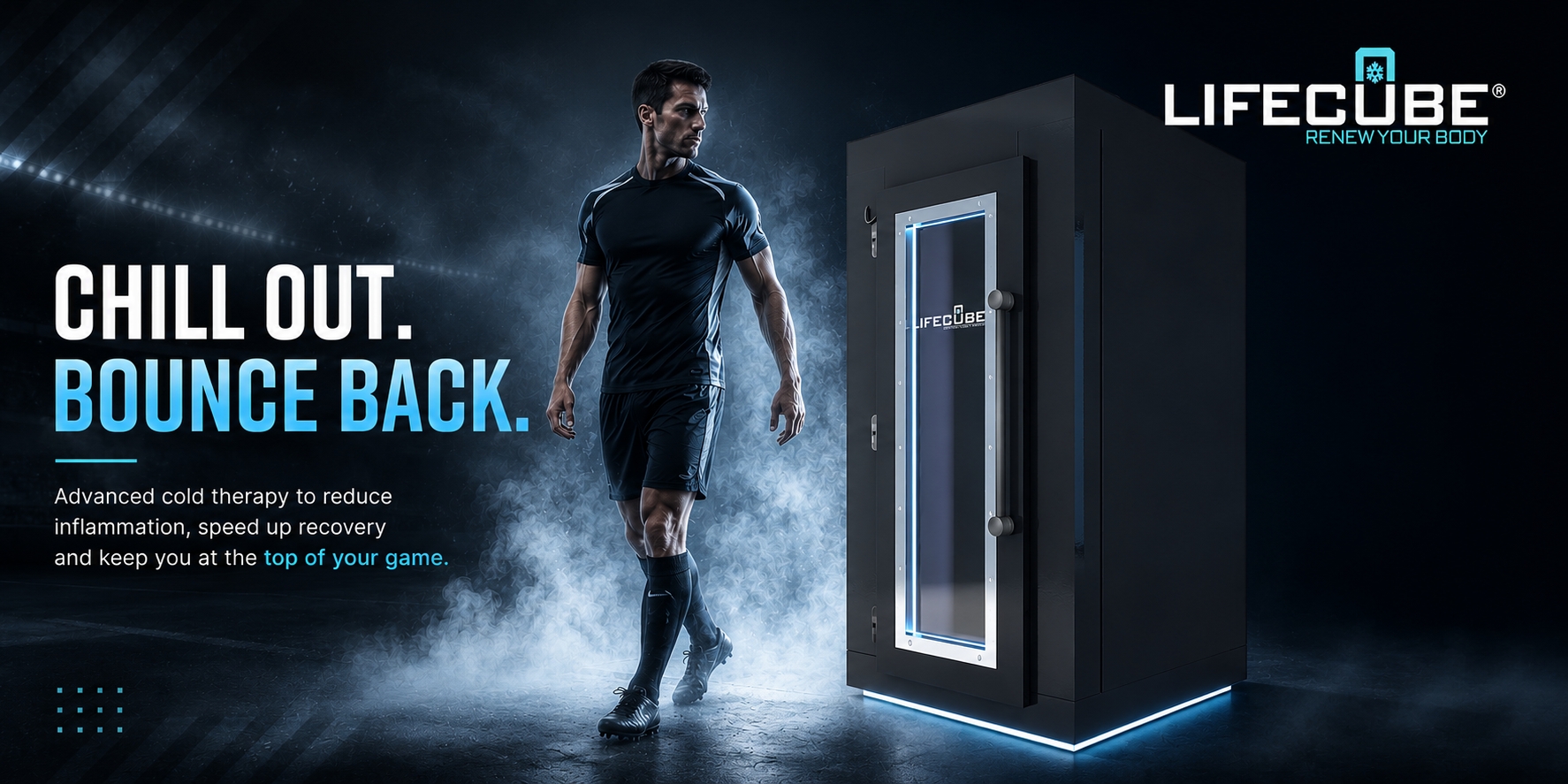

Match day takes a toll on the body. Sprinting, tackling, and changing direction at speed all add up fast.
The result is inflammation, muscle damage, and soreness that can linger for days. This is exactly why football recovery cryotherapy has become part of the standard post-match routine at clubs, gyms, and wellness facilities across the UK.
Whole-body cryotherapy has moved well beyond a niche recovery gimmick. Premier League clubs use it. Physiotherapy clinics use it. Increasingly, gyms and spas are adding it too.
But does it actually work? How should it be used? And is it worth the investment for a facility owner? This guide answers all three, using real research, real football examples, and practical protocols you can apply today.
What Is Cryotherapy and Why Footballers Use It
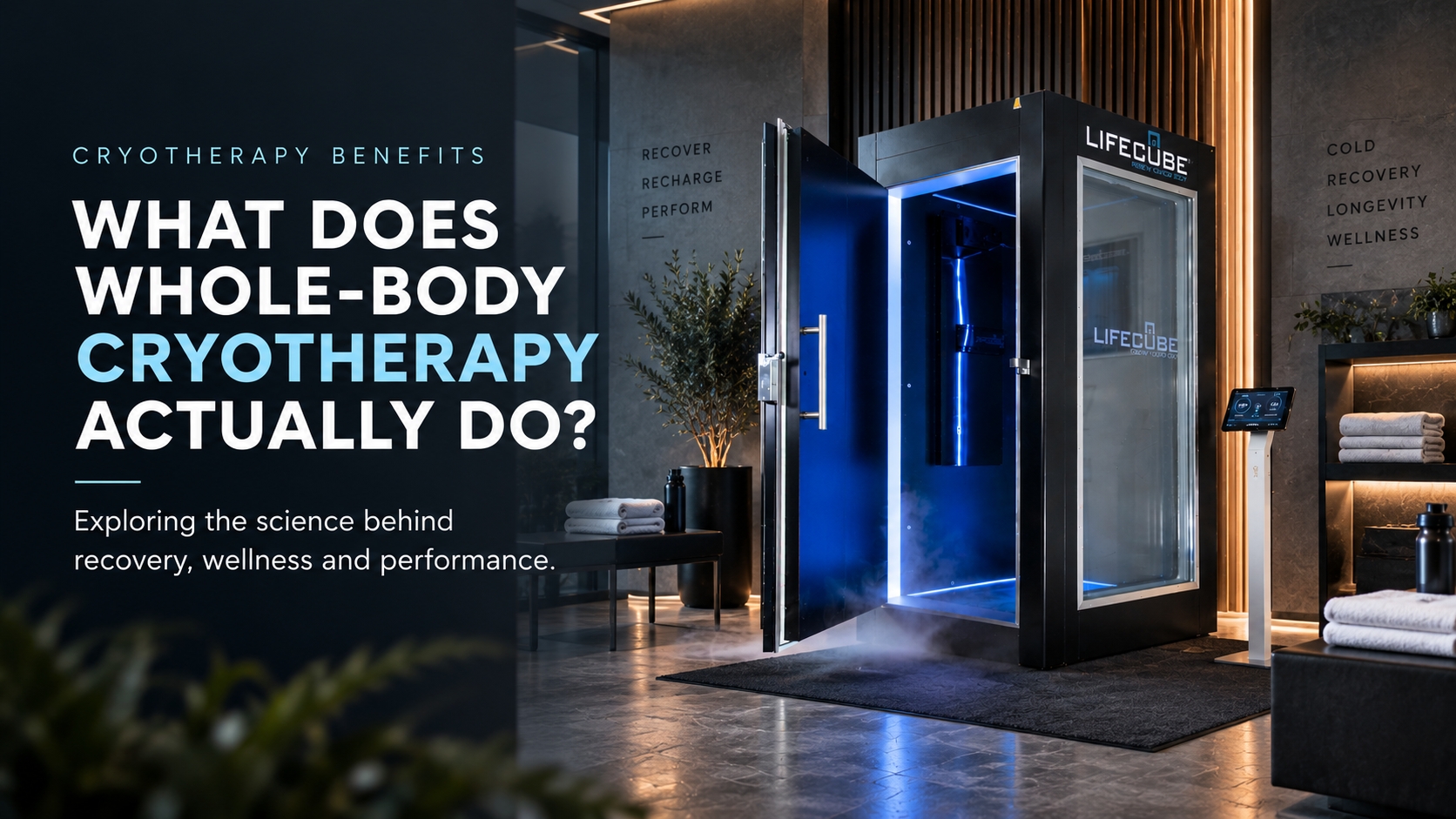
Cryotherapy is the use of extreme cold, typically between -85°C and -110°C, to trigger a rapid physiological response in the body.
For footballers, that response is what makes it useful. Cold exposure causes blood vessels to constrict, reduces inflammation, and can ease the sensation of muscle soreness after intense exercise.
Players use cryotherapy for footballers primarily to manage the after-effects of match play and heavy training. That means less muscle soreness, less joint stiffness, and less fatigue building up over a demanding season.
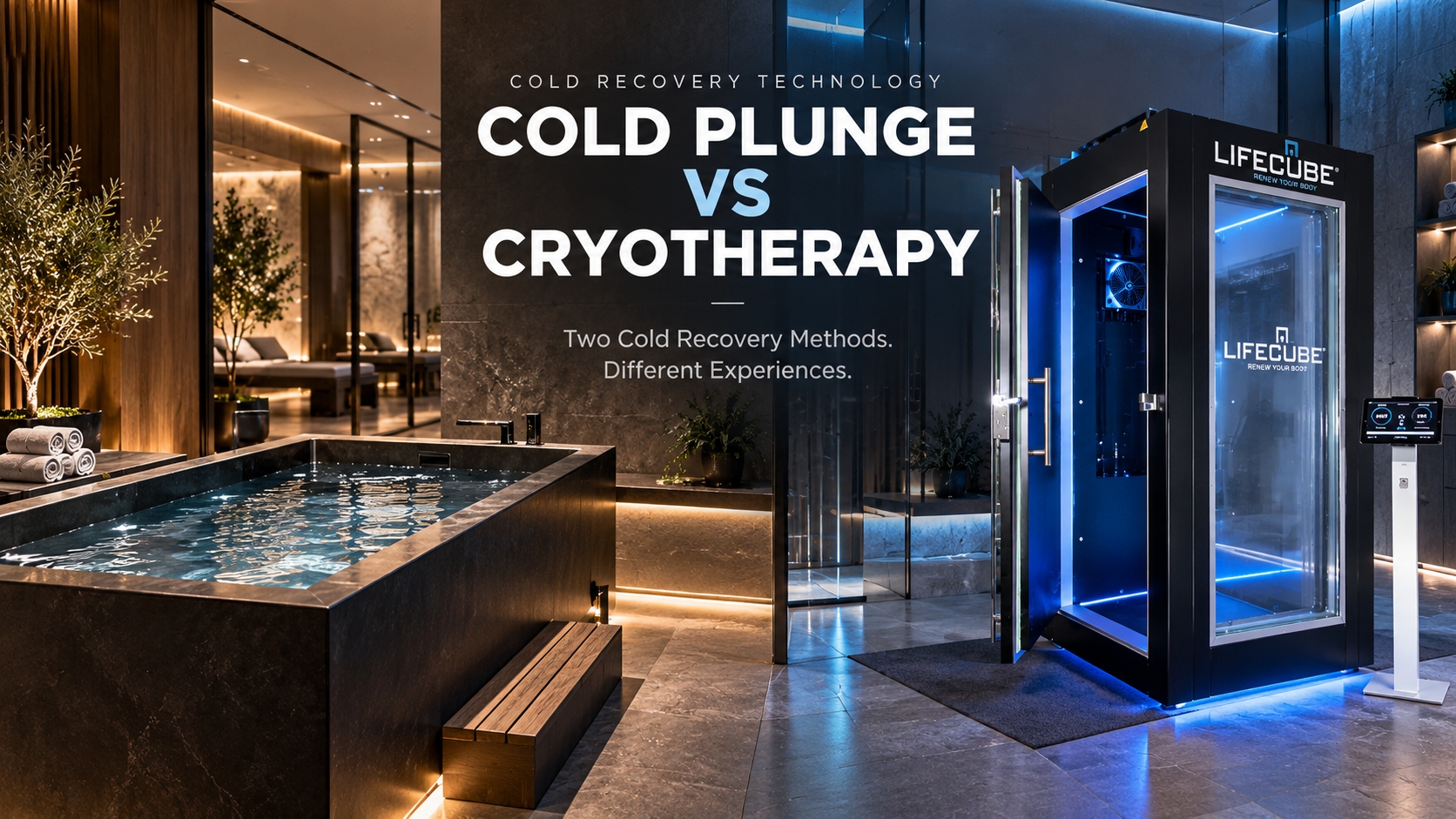
Whole-Body Cryotherapy vs Cold Water Immersion vs Localized Cryotherapy
Not all cold therapy is the same. The differences matter for anyone deciding what to use or invest in.
- Whole-body cryotherapy (WBC): the player stands in a cryotherapy unit for 2–3 minutes at extremely low, dry air temperatures. It’s fast and comfortable, and it doesn’t leave the player wet or chilled to the core the way an ice bath can.
- Cold water immersion (CWI): the traditional ice bath. The body is submerged in cold water for several minutes. This is the most researched method in football specifically, and many clubs still use it alongside or instead of WBC.
- Localized cryotherapy: cold air or cryo-compression directed at a specific injured area, such as a knee or ankle, using a targeted cryotherapy machine rather than a full chamber.
Each method has a place. WBC is generally preferred for convenience, speed, and player comfort. CWI still holds the longest track record of football-specific research.
The Science – How Cold Exposure Aids Muscle Recovery
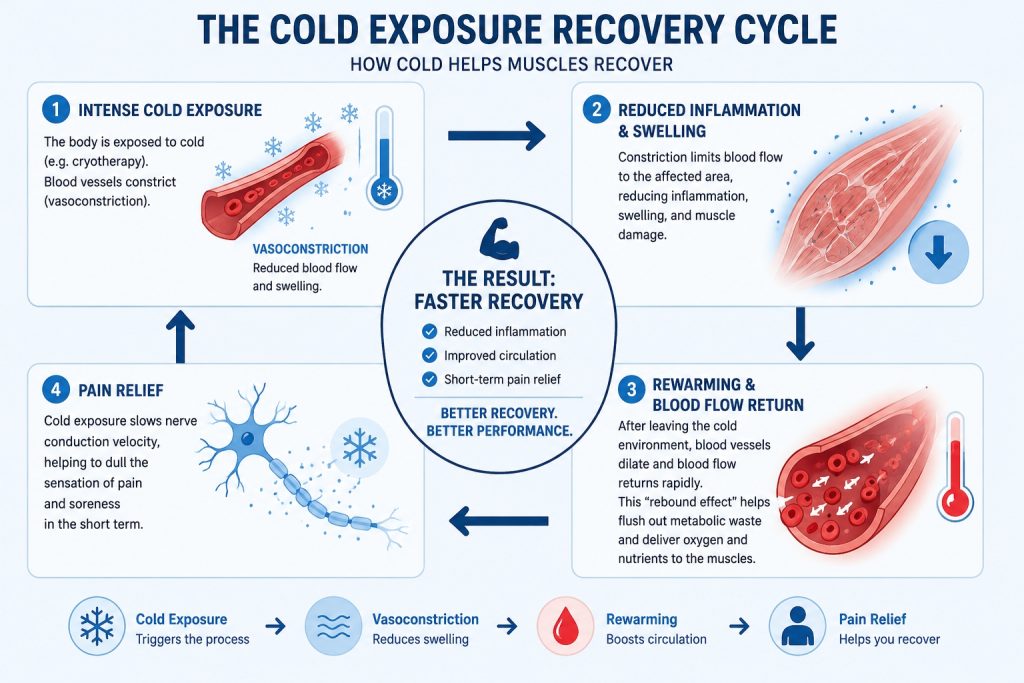
When the body meets intense cold, blood vessels constrict. This is called vasoconstriction, and it reduces blood flow and swelling around damaged tissue.
Once the player leaves the cold environment, blood flow returns rapidly. This rebound effect is thought to help flush out metabolic waste products and deliver oxygen and nutrients back to the muscles.
Cold exposure is also believed to slow nerve conduction velocity. In simple terms, this can dull the sensation of pain and soreness in the short term.
Together, these three effects – reduced inflammation, improved circulation on rewarming, and short-term pain relief – explain why football recovery cryotherapy has become so popular at every level of the game.
Does Cryotherapy Actually Work for Football Recovery? What the Research Says
This is the question every gym owner, physio, and player should ask before committing to a protocol.
The honest answer: it depends on what you’re measuring.
Key Findings from Recent Systematic Reviews
A 2026 systematic review published in the German Journal of Sports Medicine examined the research on cryotherapy and compression therapy for football players specifically.
It found that cold water immersion has by far the largest evidence base in football recovery research. Whole-body cryotherapy, by contrast, has been studied far less often in football-specific populations, even though it is widely used at professional level.
That doesn’t mean WBC doesn’t work. It means the research hasn’t caught up with how popular it has become in elite sport.
Muscle Soreness (DOMS) Reduction – The Data
Delayed onset muscle soreness, or DOMS, is one of the most consistent outcomes measured across cryotherapy studies.
Several trials on footballers and other team-sport athletes have recorded measurable reductions in perceived soreness within 24–72 hours of intense exercise, compared with passive recovery alone.
Performance Recovery – Sprint, Jump & Strength Results
Researchers also track whether players recover their physical output faster, not just how sore they feel.
Some studies on soccer and rugby players show improved recovery of sprint times and jump height (measured via countermovement jump tests) after cryotherapy, particularly in the first 24–48 hours post-match. Strength recovery results are more mixed, with several studies showing little difference compared to standard recovery methods.
The Placebo Effect – What Practitioners Should Know
It would be misleading to ignore this: some researchers believe part of cryotherapy’s benefit comes from the psychological effect of doing something proactive for recovery, not from physiological change alone.
That doesn’t make it worthless. Professional sport is built on marginal gains that combine physical and mental benefits. But it’s worth being transparent with clients rather than overselling cryotherapy as a guaranteed fix.
Which Premier League and Football Clubs Use Cryotherapy
Cryotherapy’s popularity in football didn’t come from marketing. It came from players and clubs adopting it and talking about the results.
Cristiano Ronaldo and Personal Cryotherapy Use
Cristiano Ronaldo is one of the most well-known advocates of cryotherapy in football. He has invested in a personal cryotherapy chamber, reportedly using it as part of his recovery and longevity routine.
Many credit this habit as one reason he has maintained elite physical condition well into his late 30s.
Leicester City’s 2016 Title Run
One of the most cited examples in English football is Leicester City’s 2015–16 Premier League title-winning season.
Media coverage at the time pointed to the club’s recovery methods, including cryotherapy, as a contributing factor. Their squad avoided major injuries and recovered quickly between matches during an unexpected title-winning campaign.
Other UK Clubs Using Cryo Chambers
Cryotherapy use has spread well beyond the Premier League’s top clubs. EFL and non-league clubs, along with private clinics working with professional players, now use it as a standard part of recovery and rehabilitation.
Optimal Cryotherapy Protocol for Football Recovery
Getting the protocol right matters. Too short, and players won’t get the intended benefit. Too long or too cold without supervision, and it becomes a safety issue.
Recommended Temperature and Duration
Most whole-body cryotherapy sessions for athletes run between -85°C and -110°C for 2 to 3 minutes.
Sessions are always supervised. Players wear protective gloves, socks, and footwear to protect extremities.
Timing – Post-Match and Post-Training
Cryotherapy is typically used within a few hours of a match or heavy training session, when inflammation and muscle damage are at their peak. Some clubs also use it the following day as part of active recovery.
Table – Protocol Guidelines by Recovery Method
| Method | Typical Temperature | Duration | Best Timing |
| Whole-Body Cryotherapy | -85°C to -110°C | 2–3 minutes | Within hours post-match |
| Cold Water Immersion | 10°C to 15°C | 10–15 minutes | Within 1 hour post-match |
| Localized Cryotherapy | -30°C to -60°C | 5–10 minutes | As needed for specific injury |
Safety, Contraindications & Who Should Avoid Cryotherapy
Cryotherapy is generally safe when properly supervised. But it isn’t suitable for everyone.
People with cardiovascular conditions, uncontrolled high blood pressure, cold hypersensitivity conditions such as Raynaud’s disease, open wounds, or who are pregnant should avoid whole-body cryotherapy unless cleared by a medical professional.
Sessions should always be time-limited and supervised by trained staff, with protective clothing provided for hands and feet.
Cryotherapy for Grassroots and Amateur Footballers
Cryotherapy isn’t just for professional squads anymore.
Amateur and semi-professional players training multiple times a week, especially those juggling football alongside a full-time job, increasingly use cryotherapy sessions at local gyms and wellness centres. It helps them manage soreness and stay consistent with training.
As more gyms and spas add a cryotherapy unit, access has become far easier for everyday players, not just those at academy or professional level.
Bringing Cryotherapy Into Your Gym, Spa, or Club: A Business Perspective
For gym, spa, and wellness business owners, cryotherapy isn’t just a recovery tool for athletes. It’s a genuine revenue opportunity.
Recovery and wellness services are among the fastest-growing add-ons in the UK fitness industry. A cryo chamber gives a facility something to offer that most local competitors won’t have.
Cryotherapy Chamber Cost
Cryotherapy chamber cost varies depending on chamber type, size, and whether it runs on nitrogen or electricity.
Electric chambers tend to carry a higher upfront cost. However, they typically bring significantly lower running costs over time, since there’s no ongoing nitrogen supply to manage.
ROI and Revenue Potential for Wellness Businesses
A single cryotherapy chamber can serve multiple client sessions per hour. That makes it one of the more efficient wellness services a gym or spa can offer per square metre.
Facilities typically position it as a standalone paid service, a membership add-on, or part of a broader recovery package alongside massage, compression therapy, or infrared sauna.
Electric vs Nitrogen Cryo Chambers – What to Choose
- Nitrogen chambers: typically lower upfront cost, but require a constant, well-managed nitrogen supply and stricter ventilation and safety protocols
- Electric chambers: no nitrogen required, generally simpler and safer to operate day-to-day, with more predictable running costs – a growing preference for gyms and spas that want a lower-maintenance option
Case Studies – Clubs and Facilities Using LifeCube
LifeCube chambers are already in use by professional football clubs and elite sporting organisations across Europe, including partnerships with clubs such as AC Milan, Galatasaray, Sparta Prague, and Trabzonspor.
These installations reflect the same demand now reaching UK gyms, spas, and wellness centres: a reliable, electric, nitrogen-free cryotherapy unit that fits into a professional recovery setting without the operational overhead of traditional nitrogen systems. For localised injury work alongside whole-body sessions, many facilities also pair their chamber with a targeted cryotherapy machine to treat specific muscle groups or joints.
Conclusion – Is Cryotherapy Worth It for Football Recovery?
Football recovery cryotherapy isn’t a magic fix. But the evidence and real-world adoption both point the same way.
Used correctly, it’s a genuinely useful tool for managing soreness, supporting faster recovery between matches, and keeping players performing consistently across a demanding season.
Whether you’re a player looking to recover better, or a gym, spa, or club owner considering a cryotherapy unit for your facility, the key is understanding the protocols, the evidence, and the practical realities of running one – not just the hype.
Ready to Bring Cryotherapy Into Your Facility?
If you’re a gym, spa, or club owner exploring whole-body cryotherapy for your players or members, LifeCube offers electric, nitrogen-free cryo chambers built for professional and commercial use.
Get in touch to discuss which cryotherapy unit or targeted cryotherapy machine fits your space and your business.
Frequently Asked Questions
What is football recovery cryotherapy used for?
It’s primarily used to reduce muscle soreness, manage inflammation, and speed up recovery time between matches and training sessions.
How long should a footballer stay in a cryotherapy chamber?
Sessions typically last 2 to 3 minutes, supervised by trained staff, at temperatures between -85°C and -110°C.
Is cryotherapy better than an ice bath for footballers?
Neither is definitively better. Whole-body cryotherapy is faster and more comfortable, while cold water immersion has more football-specific research behind it. Many clubs use both, depending on the situation.
How much does a cryotherapy chamber cost?
Cryotherapy chamber cost varies by type and size. Electric models generally carry a higher upfront cost but lower running costs than nitrogen-based systems over time.
Which Premier League clubs use cryotherapy?
Several top-flight and EFL clubs use cryotherapy as part of their recovery programmes. Leicester City’s 2015–16 title-winning season remains one of the most widely referenced examples.