
Crossing the finish line of a marathon is an incredible achievement, but the physical toll it takes on your body is immense. Months of intense training culminate in 26.2 miles of relentless pavement pounding, leaving your muscles micro-torn, your joints inflamed, and your energy reserves completely depleted. For days sometimes weeks afterward, even walking down a flight of stairs can feel like a monumental task. While traditional recovery methods like ice baths, foam rolling, and active rest have their place, an increasing number of endurance athletes are turning to advanced recovery technology. Specifically, cryotherapy for runners has emerged as a game-changing method to drastically reduce downtime and accelerate the body’s natural healing processes.
In this comprehensive guide, we will break down the science behind whole-body cryotherapy, explore exactly how it targets post-marathon muscle damage, and explain why integrating this ultra-cold therapy into your routine can help you bounce back faster than ever.
What Happens to a Runner’s Body After 26.2 Miles?
To understand why extreme cold is so effective, it helps to look at exactly what happens to your muscles during a marathon. Running a long-distance race induces severe mechanical stress on your lower body. This repetitive impact causes microscopic tears in your muscle fibres, a condition that triggers an acute inflammatory response.
While inflammation is a necessary part of muscle repair, excessive or prolonged inflammation leads to Delayed Onset Muscle Soreness (DOMS). DOMS typically peaks between 24 and 72 hours after the race, causing:
- Severe muscle stiffness and tenderness
- Localized swelling and joint pain
- A temporary reduction in muscle strength and range of motion
- Elevated systemic markers of muscle damage, such as creatine kinase
If left to recover naturally, your body can take up to two to three weeks to fully repair this cellular damage. For runners eager to return to light training or maintain their hard-earned cardiovascular fitness, this lengthy downtime can be incredibly frustrating.
The Science of Cryotherapy for Runners
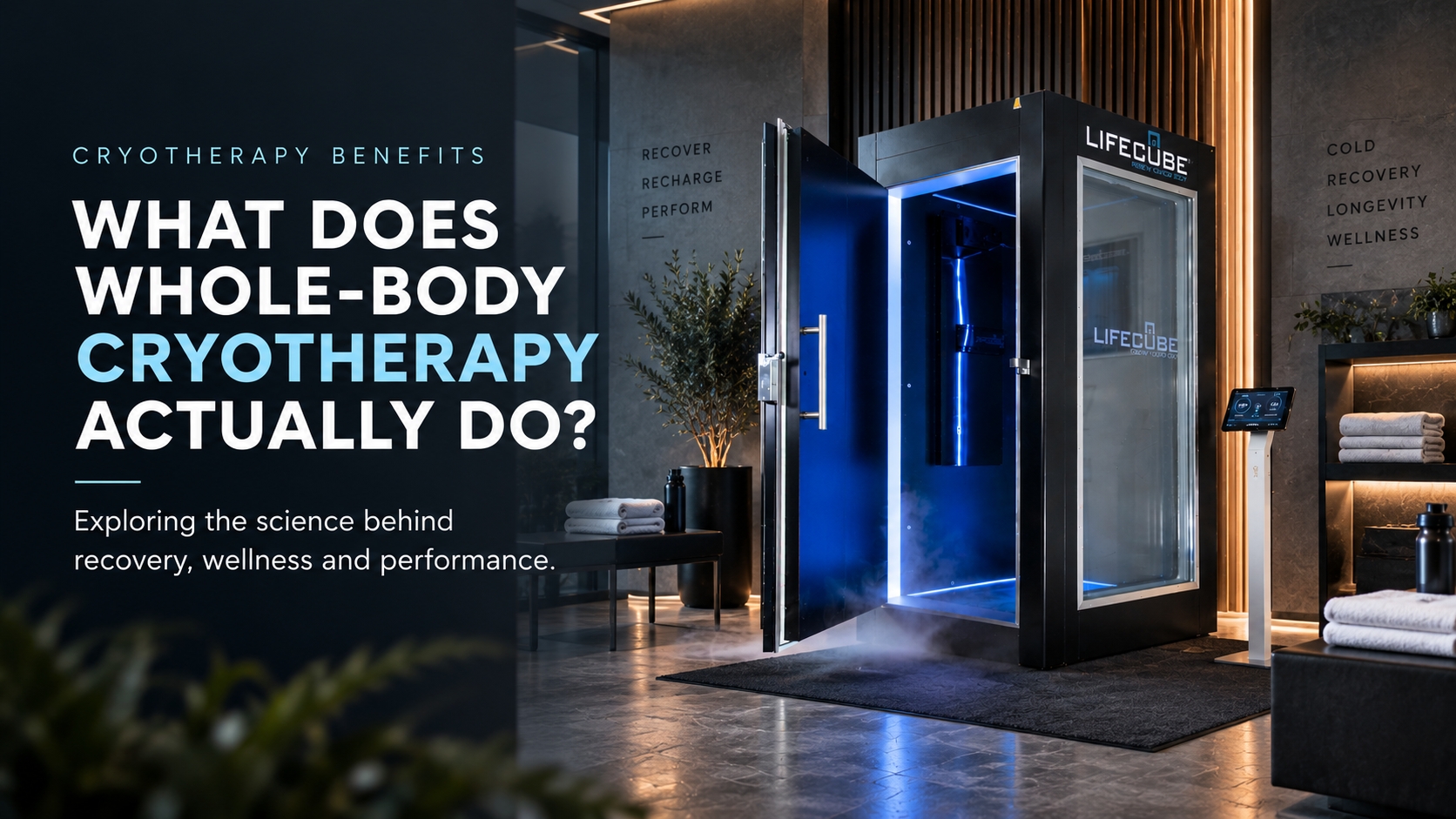
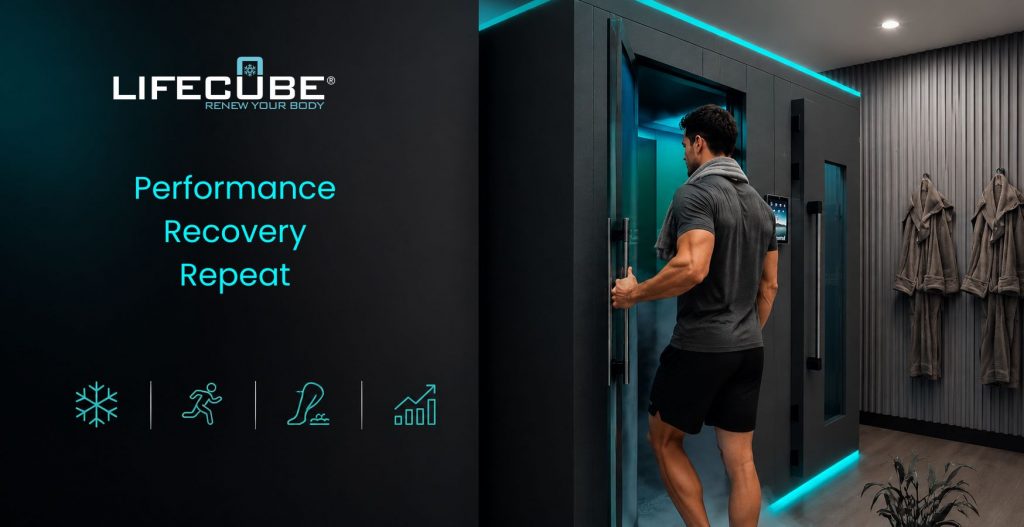
During a whole-body cryotherapy (WBC) session, athletes step into a specialized thermal chamber and are exposed to extremely cold temperatures between minus 110°C and minus 140°C for just two to three minutes.
The process triggers a rapid, systemic survival response. The moment your skin registers the extreme drop in temperature, your central nervous system kicks into overdrive:
Vasoconstriction: Blood vessels in your extremities constrict, redirecting blood away from your aching limbs and toward your core to protect vital organs.
Oxygenation and Nutrient Enrichment: While in the core, the blood is heavily enriched with oxygen, enzymes, and essential nutrients.
Vasodilation: Once you step out of the chamber, your blood vessels rapidly dilate. This causes a massive surge of this nutrient-dense, highly oxygenated blood to rush back to your fatigued muscles, flushing out metabolic waste products and jump-starting cellular repair.
Key Benefits of Post-Marathon Cryotherapy
Integrating whole-body cold therapy into your post-race strategy offers several distinct advantages over traditional recovery protocols.
1. Rapid Reduction of Systemic Inflammation
The intense cold exposure suppresses the release of pro-inflammatory cytokines (cellular messengers) while actively promoting anti-inflammatory proteins. By blunting this excessive inflammatory spike early on, you can significantly diminish the severity of DOMS and avoid the deep, throbbing aches that typically follow a marathon.
2. Immediate Pain Relief via Vasoconstriction
Cryotherapy acts as a powerful, non-invasive analgesic. The extreme cold slows down nerve conduction velocity, effectively dulling the pain signals sent from your overworked quad, hamstring, and calf muscles to your brain. This gives you immediate, drug-free relief from post-race discomfort.
3. Accelerated Cellular Repair and Tissue Recovery
The oxygen-rich blood flush that occurs immediately after a session delivers the raw materials your muscles need to rebuild. This accelerated cellular turnover means your micro-tears heal much faster than they would with passive rest alone.
4. Improved Sleep Quality and Autonomic Nervous System Balance
The intense physical stress of a marathon keeps your sympathetic nervous system (your “fight-or-flight” response) elevated, which can paradoxically make it difficult to sleep well after a race. Cryotherapy stimulates the vagus nerve, promoting a shift toward the parasympathetic nervous system (“rest-and-digest”). This transition lowers your heart rate and triggers a release of endorphins, leading to deeper, more restorative sleep—the ultimate environment for natural recovery.
When and How to Utilize Cryotherapy for Best Results
Timing is crucial when using advanced cold therapy to maximize your recovery window. To get the absolute most out of your sessions after a major race, follow this timeline:
The 24-Hour Post-Race Window
The ideal time to book your first session is within 24 hours of crossing the finish line. This directly combats the initial wave of acute inflammation before DOMS reaches its peak.
The Active Recovery Phase (Days 2–4)
Scheduling a second or third session during the subsequent days will help maintain low inflammation levels and flush lingering metabolic waste out of your lower limbs. Combine these sessions with light walking, hydration, and gentle stretching to keep blood flowing.
Bringing Professional Recovery Home: The UK Market
For serious endurance athletes, club runners, or sports physiotherapists, traveling to a commercial clinic multiple times a week isn’t always practical. This logistical challenge has fueled a massive surge in demand for residential and commercial-grade recovery tech across the United Kingdom.
Investing in a dedicated setup is becoming highly viable for running clubs and elite training facilities looking to offer premium, on-demand physical therapy. If you are exploring options to integrate this technology permanently into your training space, looking for a high-quality cryotherapy chamber for sale uk will connect you with premium, safety-certified models designed for British commercial and residential installations.
Naturally, upfront costs vary significantly based on specifications, nitrogen-free electric setups, plumbing requirements, and chamber sizes. When evaluating budgets, researching the baseline cryotherapy machine price is an essential first step to understanding the long-term return on investment regarding athletic longevity, reduced injury downtime, and peak performance maintenance.
Bouncing Back Stronger
The secret to hitting your next personal best isn’t just about the miles you put into training—it’s entirely dependent on how efficiently you allow your body to rebuild. Post-marathon recovery shouldn’t mean spending a week stranded on the sofa in pain. By leveraging the systemic, anti-inflammatory power of cryotherapy for runners, you can cut your recovery time in half, protect your joints from chronic strain, and return to the sport you love with renewed strength.
If you are ready to elevate your training infrastructure, support your running club, or optimize your athletic facility, discover our range of professional recovery systems. Explore our options for premium recovery equipment and take complete control of your physical longevity today.
Frequently Asked Questions
How long after a marathon should I wait to do cryotherapy?
For optimal results, aim to do your first session within 24 hours of completing the marathon. This allows the treatment to interrupt the peak inflammatory cycle. However, going 48 to 72 hours after the race still provides substantial relief from muscle soreness and stiffness.
Can cryotherapy prevent running injuries?
While it cannot fix structural or biomechanical issues, regular cryotherapy for runners helps prevent the chronic accumulation of micro-trauma. By consistently clearing out systemic inflammation and accelerating daily muscle repair, it keeps your body resilient, drastically reducing the risk of overuse injuries like tendonitis, plantar fasciitis, or shin splints.
Is whole-body cryotherapy safe for everyone?
Cryotherapy is highly safe for most individuals when supervised by trained professionals. However, because it causes temporary vasoconstriction, it is strictly contraindicated for individuals with untreated high blood pressure, severe cardiovascular disease, Raynaud’s syndrome, or deep vein thrombosis (DVT). Always consult with your GP before your first session if you have underlying health conditions.