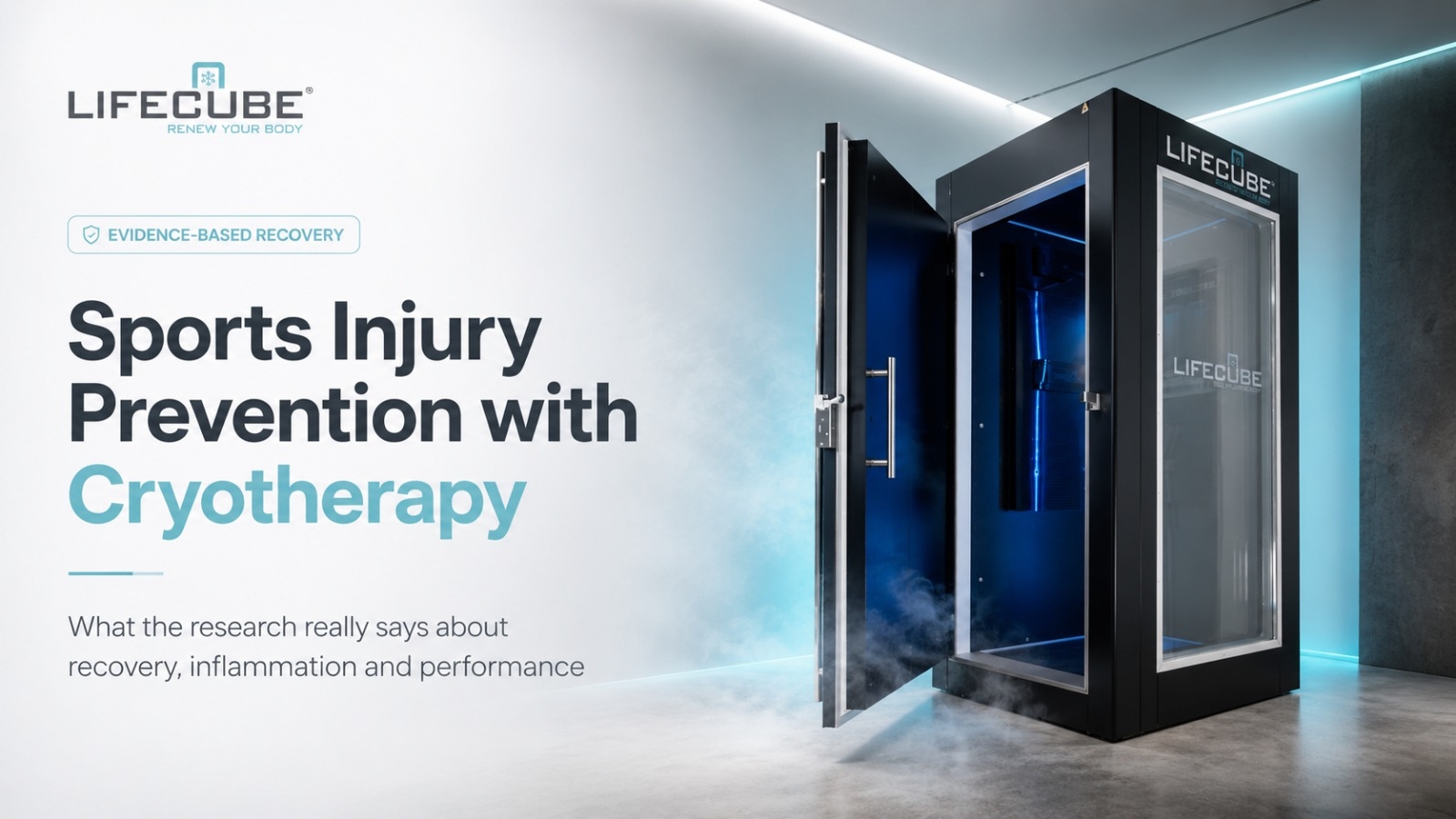


Sports injury prevention is the difference between an athlete who trains consistently all season and one who spends half of it on the sidelines. For coaches, physiotherapists, and performance staff, the challenge is always the same: how do you reduce injury risk without slowing an athlete down?
Cold therapy has long played a role in sports recovery. However, whole body cryotherapy has moved this idea forward, offering a faster, more controlled way to manage inflammation and muscle soreness after intense training.
In this article, you will learn what current research actually says about cryotherapy and reducing injury risk, how it compares with other recovery methods, and what a well-rounded injury prevention strategy looks like when cryotherapy is part of the plan. We will also flag where the evidence is strong and where more research is still needed, so you can make an informed decision rather than relying on marketing claims alone.
Why Sports Injury Prevention Matters for Athletes and Clubs
Every missed training session or match due to injury has a knock-on cost. Therefore, injury prevention is not just a medical concern; it is a performance and financial one too.
Common causes of sports injuries include:
- Inadequate warm-up or cool-down routines
- Rapid increases in training load
- Poor recovery between sessions
- Muscle fatigue and delayed onset muscle soreness (DOMS)
- Insufficient sleep and nutrition support
For clubs and clinics, injury prevention also protects revenue. A squad that trains consistently performs better, and a wellness facility that helps clients recover faster builds stronger client retention. This is why more sports clubs, physiotherapy clinics, and recovery centres are investing in structured recovery protocols, including cryotherapy, as part of their injury prevention strategy.
The Link Between Recovery and Injury Risk
Poor recovery is one of the most preventable causes of injury. When muscles remain inflamed or fatigued, athletes are more likely to compensate with poor movement patterns, which increases strain on joints and connective tissue.
Consequently, improving recovery quality between sessions is one of the most direct ways to reduce injury risk without changing training volume at all.
What Does the Research Say? A Balanced View
It is worth being clear about what the evidence does and does not show. Current studies suggest that whole body cryotherapy can meaningfully support recovery markers linked to sports injury prevention, such as inflammation and muscle damage. However, no cryotherapy method significantly reduced muscle soreness immediately after exercise in the Frontiers review.
Evidence caveat: the authors of the 2025 Scientific Reports analysis noted that the number of included studies was relatively small, and some trials had limited sample sizes. Therefore, while the direction of the evidence is encouraging, researchers agree that larger, longer-term trials are needed before firm conclusions can be drawn.
For this reason, cryotherapy is best positioned as one part of a broader recovery and injury prevention strategy, rather than a standalone solution.
When Cryotherapy Appears Most Effective
Based on the available research, timing plays a key role:
Cold water immersion shows the strongest effect on early soreness and IL-6 inflammation markers.
Whole body cryotherapy shows the strongest effect on performance recovery and muscle damage markers.
Localised cold therapy shows the greatest reduction in reported soreness.
Some researchers even suggest a sequential approach for athletes with intensive training schedules, combining cold water immersion soon after exercise with whole body cryotherapy 24 hours later.
Cryotherapy vs Other Recovery Methods
Choosing the right recovery method depends on your goals, timeframe, and facilities available. The table below summarises how whole body cryotherapy compares with other common approaches.
| Recovery method | Best used | Primary benefit shown in research |
|---|---|---|
| Whole body cryotherapy | 24–72 hours post-exercise | Performance recovery, reduced muscle damage markers |
| Cold water immersion | Within 1 hour post-exercise | Early soreness relief, reduced IL-6 |
| Local cold therapy (ice packs) | Around 48 hours post-exercise | Localised soreness reduction |
| Active recovery (light movement) | Ongoing | Circulation, mobility |
| Sleep and nutrition | Daily | Tissue repair, hormonal recovery |
As the table shows, whole body cryotherapy is not a replacement for the fundamentals. Rather, it complements them, particularly for clubs and clinics managing athletes through demanding schedules.
Choosing the Right Whole Body Cryotherapy Machine
If you are considering cryotherapy as part of a sports injury prevention programme, the equipment you choose matters. A well-designed whole body cryotherapy machine should offer precise, consistent temperature control, rapid cooling, and a safe, comfortable chamber experience for athletes of different sizes.
Look for the following when comparing suppliers:
- Electric, nitrogen-free technology for consistent, controllable cooling
- Fast recovery time between sessions to support busy clinics and clubs
- UK-based installation, training, and ongoing support
- Transparent running costs and maintenance requirements
Because not every cryotherapy chamber is built to the same standard, it is worth comparing options carefully before investing. LifeCube's guide to finding the best cryotherapy machine for your facility walks through the key specifications to check, including cooling technology, chamber design, and total cost of ownership.
Building a Complete Sports Injury Prevention Strategy
Cryotherapy works best as part of a wider approach. A strong injury prevention strategy typically includes:
- A structured warm-up and mobility routine before training or matches
- Gradual, monitored increases in training load
- Consistent sleep and hydration habits
- Post-session recovery protocols, including cold therapy where appropriate
- Regular movement screening to catch imbalances early
Additionally, clubs and clinics offering cryotherapy as part of their recovery service often see it become a client retention tool in its own right, since athletes value visible investment in their recovery.
Making Evidence-Based Recovery Decisions
Sports injury prevention rarely comes down to one single method. Instead, it comes from consistent training practices, smart load management, and recovery tools used at the right time. The evidence to date suggests that whole body cryotherapy can play a genuine role in that picture, particularly for performance recovery and inflammation management in the 24 to 72 hour window after intense exercise.
As research continues to develop, clubs, clinics, and wellness businesses that build cryotherapy into a wider, evidence-informed recovery strategy are best placed to support their athletes safely and effectively.
If you are exploring a whole body cryotherapy machine for your clinic, club, or recovery facility, LifeCube's team can talk you through the technology, installation process, and how similar businesses have built cryotherapy into their recovery offering.
Frequently Asked Questions
Does cryotherapy prevent sports injuries directly?
No single treatment can guarantee injury prevention. However, research suggests whole body cryotherapy may support recovery markers, such as inflammation and muscle damage, that are linked to reduced injury risk when combined with proper training load management.
How soon after training should cryotherapy be used?
Current research indicates whole body cryotherapy shows the strongest recovery benefits when used between 24 and 72 hours after intense exercise, rather than immediately afterwards.
Is cryotherapy better than an ice bath for injury prevention?
Neither method is universally "better." Cold water immersion tends to help more with early soreness within the first hour, while whole body cryotherapy shows stronger results for performance recovery and muscle damage markers over the following days.
How often should athletes use cryotherapy for recovery?
This depends on training intensity, the athlete's individual response, and guidance from a qualified practitioner. There is no universally agreed frequency in current research, so protocols should be tailored to the athlete and monitored over time.
Can cryotherapy help with existing injuries, not just prevention?
Cryotherapy is widely used to support recovery and manage inflammation. However, it should not replace a medical assessment or physiotherapy plan for an existing injury. Always seek professional advice for diagnosis and treatment.
Is whole body cryotherapy safe for regular use?
When delivered on well-maintained, professionally installed equipment and supervised appropriately, whole body cryotherapy is generally considered safe for healthy adults. Anyone with underlying health conditions should consult a medical professional first.