Every club wants players who train harder, perform better, and stay injury-free for longer. Yet most clubs still pour their budget into pitches, kits, and coaching staff while leaving recovery as an afterthought. A well-planned sports recovery room changes that equation, giving athletes a dedicated space to repair muscles, reduce soreness, and get back to training sooner.
In this article, you’ll learn what a sports recovery room actually includes, why it matters for both grassroots and elite clubs, and how UK facilities are using smart recovery equipment to gain a competitive edge. By the end, you’ll have a clear picture of what to consider before building or upgrading your own space.
What Is a Sports Recovery Room and Why Does It Matter?
A sports recovery room is a dedicated area within a club, gym, or training facility designed specifically to help athletes recover after intense physical activity. Unlike a standard changing room, it’s built around recovery tools and techniques such as cold therapy, compression, stretching zones, and rehydration stations.
The purpose is simple: shorten the time between training sessions or matches while lowering the risk of injury. Clubs that invest in this kind of space often see fewer missed training days and a noticeable improvement in how players feel during the final stretch of a season.
Recovery rooms aren’t just for professional academies anymore. Local clubs, school sports programmes, and community gyms are catching on too, recognising that recovery is just as important as the training itself.
The Science Behind Athlete Recovery
Muscle tissue breaks down during intense exercise, and that breakdown is what leads to soreness, stiffness, and reduced performance the following day. Recovery isn’t about doing nothing; it’s an active process that helps the body repair itself faster and more completely.
Why Recovery Time Affects Performance
When athletes don’t recover properly, fatigue builds up over time. This often shows up as slower sprint times, weaker grip strength, or a higher chance of strains and tears. A structured recovery routine, supported by the right environment, helps reverse this cycle before it becomes a long-term problem.
Research into sports science consistently points to a few proven recovery methods: cold exposure, compression, sleep quality, and proper hydration. A purpose-built recovery space brings all of these together in one location, making it far easier for players and coaching staff to stick to a routine.
Key Equipment Every Sports Recovery Room Needs
Not every club needs every piece of equipment on day one. Most successful recovery rooms start small and expand as budget and space allow, prioritising the tools that deliver the biggest impact for their squad size and sport type.
Cryotherapy Solutions for Faster Recovery
Cold therapy remains one of the most effective tools for reducing inflammation and easing muscle soreness after training or competition. Many UK clubs are now looking at a cryotherapy chamber for sale UK as a long-term investment rather than relying solely on ice baths, since chambers offer more consistent and controlled cold exposure.
A whole body cryotherapy machine allows multiple players to recover in shorter sessions compared to traditional ice baths, which can be a major advantage for clubs working with tight turnaround times between fixtures.
Compression and Stretching Stations
Pneumatic compression boots and dedicated stretching areas help improve blood flow and flexibility after exercise. These stations don’t require much space and are relatively affordable, making them a sensible starting point for clubs with limited budgets.
Hydration and Nutrition Corners
A simple hydration station stocked with electrolyte drinks, protein snacks, and water can make a real difference to how quickly players bounce back. Pairing this with basic nutrition guidance helps reinforce healthy habits beyond just the physical side of recovery.
Designing a Recovery Room for Your Club's Budget and Space
You don’t need a sprawling facility to create an effective recovery area. Many clubs successfully convert a spare room, storage area, or underused corner of their changing facilities into a functional space.
Start by mapping out your priorities: what does your squad need most right now? A small football club might prioritise compression boots and a stretching mat area, while a swimming club with frequent back-to-back competitions might lean towards cold therapy first. Budget, available space, and the specific physical demands of your sport should all shape the final layout.
It’s also worth planning for future growth. Leaving room to add a whole body cryotherapy machine later, for example, means you won’t need to redesign the entire space when your club’s budget increases.
Benefits for Amateur Clubs vs Professional Clubs
Professional clubs typically use recovery rooms to manage tight match schedules, reduce injury downtime among contracted players, and maintain performance across a long season. The financial stakes are high, so even small improvements in recovery speed translate into real value.
Amateur and grassroots clubs benefit differently but just as meaningfully. Many players juggle sport alongside work or studies, so faster recovery means they can train consistently without burning out. A modest recovery setup can also help with player retention, since athletes are more likely to stay loyal to a club that visibly invests in their wellbeing.
How UK Sports Clubs Are Investing in Recovery Spaces
Across the UK, sports clubs of all sizes are treating recovery infrastructure as a genuine investment rather than a luxury add-on. Rugby clubs, football academies, and even university sports programmes have started building dedicated recovery zones into new facility designs.
This shift is partly driven by greater awareness of long-term player health and partly by the growing affordability of recovery equipment. Where a cryotherapy chamber for sale UK might once have seemed out of reach for smaller clubs, increased competition among suppliers has made these systems more accessible than they were just a few years ago.
Final Thoughts and Next Steps
Building a sports recovery room isn’t about chasing trends; it’s about giving athletes the tools they need to train harder, recover faster, and stay on the pitch longer. Whether you’re running a small local club or managing a professional academy, even modest steps toward dedicated recovery space can pay off in player performance and loyalty.
If you’re ready to explore recovery equipment options for your club, including cryotherapy systems suited to UK facilities, get in touch with a specialist supplier to discuss what fits your space, squad size, and budget.
Frequently Asked Questions
What is the main purpose of a sports recovery room?
A sports recovery room helps athletes reduce muscle soreness, manage fatigue, and lower injury risk after training or competition, using tools like cold therapy, compression, and stretching equipment in one dedicated space.
Do small or amateur clubs really need a recovery room?
Yes. Even a basic setup with stretching areas and hydration stations can improve how quickly amateur athletes recover, helping them stay consistent with training and reducing time lost to minor injuries.
Is cryotherapy better than ice baths for sports recovery?
Cryotherapy chambers offer more controlled, consistent cold exposure and shorter session times compared to ice baths, making them appealing for clubs that need to recover multiple players quickly between sessions.
How much space do I need for a sports recovery room?
There’s no fixed requirement. Many clubs start with a small converted room and gradually add equipment such as compression stations or a whole body cryotherapy machine as space and budget allow.
How quickly will a club see results from a recovery room?
Most clubs notice improvements in player soreness and training consistency within a few weeks of regular use, though injury reduction benefits tend to build over a full season.
Introduction: The Recovery Problem Every Sports Club Faces
Ask any performance coach, physio, or club manager what their biggest challenge is – and the answer is rarely fitness or tactics. It’s keeping players on the pitch. Injuries, fatigue, and insufficient recovery time between fixtures cost clubs at every level, from grassroots academies to professional organisations.The good news? Advances in player recovery methods mean you no longer have to choose between competitive training schedules and adequate recovery time. Modern recovery technology – including tools once reserved for elite athletes – is now accessible to a much wider range of clubs and individual athletes.
In this guide, you’ll learn:
- Why traditional recovery falls short
- The most effective science-backed player recovery methods in use today
- How cryotherapy has become one of the most powerful tools for accelerating recovery
- What to consider when investing in a cryotherapy machine for home or club use
- How UK clubs can find the right solution without breaking their budget
Why Traditional Recovery Methods Are No Longer Enough
For decades, standard recovery protocols centred on rest, ice baths, massage, and nutrition. While these approaches still have value, they come with significant limitations:
- Ice baths are uncomfortable, inconsistent in temperature, and difficult to standardise across a squad
- Foam rolling and massage are time-intensive and dependent on availability of physiotherapy staff
- Passive rest between matches doesn’t actively stimulate muscle repair
- Compression garments help but don’t address deep tissue inflammation efficiently
As fixture congestion increases across leagues – particularly post-COVID scheduling in English football, rugby, and netball – clubs need player recovery methods that work faster, more consistently, and with less demand on staff time.
This is exactly where technology-led recovery steps in.
The Most Effective Player Recovery Methods Used by Sports Clubs Today
1. Whole-Body Cryotherapy (WBC)
Whole-body cryotherapy is widely considered one of the most advanced player recovery methods available. Players enter a cryotherapy chamber where the body is exposed to ultra-cold temperatures (typically between -110°C and -140°C) for two to three minutes.
The physiological effects are well-documented:
- Rapid reduction in muscle inflammation
- Decreased delayed onset muscle soreness (DOMS)
- Accelerated removal of lactic acid
- Improved sleep quality and hormonal recovery
- Reduced psychological fatigue
Unlike ice baths – which only cool the outer skin – cryotherapy chambers deliver a consistent, controlled cold stimulus across the entire body. This makes the session reproducible, measurable, and far more comfortable for players.
Previously only found in elite club facilities, the emergence of the home cryotherapy machine market means smaller clubs and high-performance individuals can now access this technology directly. Companies such as Life Cube offer professional-grade cryotherapy machines for home and club environments across the UK.
2. Contrast Water Therapy
Alternating between hot and cold water immersion stimulates the vascular system, driving blood in and out of muscle tissue. This “pumping” effect removes metabolic waste and delivers oxygenated blood to areas of micro-damage.
While effective, contrast water therapy requires dedicated facilities and significant setup – making it less practical for clubs without permanent hydro suites.
3. Compression Therapy and Pneumatic Recovery Boots
Pneumatic compression devices – often referred to as “recovery boots” – use sequential air pressure to enhance circulation in the legs. They are particularly effective for footballers, rugby players, and distance athletes who carry heavy training loads in the lower limbs.
Recovery boots are a useful complement to primary player recovery methods, particularly when used 30–90 minutes post-training.
4. Sleep Optimisation Protocols
Sleep is still the most underutilised recovery tool in team sport. High-quality, uninterrupted sleep between 8–10 hours is associated with higher testosterone and growth hormone output – both critical for muscle repair.
Clubs investing in sleep tracking technology, blackout facilities, and education programmes for players see measurable reductions in soft tissue injury rates over a season.
5. Nutrition Timing and Hydration
Post-training nutrition windows (typically within 30–45 minutes of exercise) maximise protein synthesis and glycogen replenishment. Combined with structured hydration protocols, this remains a cornerstone of any player recovery plan – and one that costs nothing beyond planning.
Why Cryotherapy Is the Standout Recovery Investment for UK Sports Clubs
Among all modern player recovery methods, cryotherapy stands apart for one key reason: it delivers measurable results in under three minutes per player, without requiring staff supervision for extended periods.
Consider a squad of 20 players rotating through a session each requiring 90 minutes of ice bath and massage recovery. That’s a significant drain on physio time and resources. A cryotherapy machine can process the same squad in under an hour, with consistent results across every session.
The Rise of the Home Cryotherapy Machine in the UK
One of the most significant developments in recovery science over the last five years has been the arrival of the home cryotherapy machine market in the UK. What was previously only available in elite facilities is now accessible to:
- Semi-professional and academy clubs
- High-performance personal trainers and coaches
- Individual athletes serious about longevity and performance
- Sports rehabilitation clinics
Investing in a cryotherapy machine for home use – or installing one at a club facility – allows teams to perform post-training recovery sessions without travelling to specialist centres, saving time and making recovery a consistent, non-negotiable part of the training week.
Buying a Cryotherapy Machine in London: Key Factors to Consider
If you’re exploring cryotherapy machines for your club, training facility, or personal use in the UK, here are the most important factors to evaluate before making a purchase decision.
Safety Certifications and Compliance
Any cryotherapy machine for home or commercial use in the UK should carry relevant CE marking and comply with applicable safety standards. Nitrogen-based systems require proper ventilation protocols; electric cryotherapy chambers are typically considered safer for environments without specialist installation infrastructure.
Always verify that the supplier provides full safety documentation, operator training, and ongoing technical support.
Chamber Type: Nitrogen vs. Electric
- Nitrogen-based cryosaunas cool rapidly and reach very low temperatures quickly, but require nitrogen supply logistics
- Electric cryotherapy chambers use refrigeration technology and are generally more convenient for club environments – no gas refilling, consistent temperature, and lower ongoing operating costs
For UK clubs and individuals considering a home cryotherapy machine, electric chambers are increasingly the preferred option.
Running Costs and Maintenance
Purchase price is only part of the equation. Ask suppliers about:
- Energy consumption per session
- Maintenance schedules and service contracts
- Replacement parts availability in the UK
- Expected lifespan of the unit
A well-maintained cryotherapy chamber should deliver thousands of sessions over its lifespan, making the cost-per-session extremely competitive with alternative recovery modalities.
Supplier Reputation and UK Support
For clubs in London and across the UK, working with a supplier who has a strong service presence domestically is essential. A cryotherapy machine is a long-term investment – you need reliable after-sales support, rapid response to technical issues, and ideally a supplier who understands the demands of sports club environments.
Companies such as Life Cube specialise in providing home cryotherapy machines and professional cryotherapy solutions to the UK market, with experience supporting clubs, clinics, and individual performance athletes.
How to Integrate Cryotherapy Into Your Club’s Recovery Protocol
Introducing cryotherapy doesn’t require rebuilding your entire recovery structure. Here’s a practical framework for integrating it effectively:
Step 1 – Post-Match or Post-Training Priority Sessions Schedule cryotherapy sessions within 30–60 minutes of the final whistle or training session. This is when the anti-inflammatory and recovery benefits are greatest.
Step 2 – Stagger Player Groups With most cryotherapy chambers allowing two to three players simultaneously (depending on the unit), stagger squad groups through the session to minimise downtime.
Step 3 – Combine With Nutrition Follow cryotherapy with a structured nutrition window – protein shake, high-quality carbohydrates – to maximise recovery synergy.
Step 4 – Track and Measure Use RPE (Rate of Perceived Exertion) and HRV (Heart Rate Variability) scores before and after introducing cryotherapy to measure its impact on your squad’s recovery benchmarks.
Step 5 – Educate Players Player buy-in is critical. When athletes understand the physiological reasoning behind a player recovery method, compliance and consistency improve dramatically.
Investing in the Right Player Recovery Methods Pays for Itself
The clubs and athletes who win over a long season aren’t always the ones who train the hardest – they’re the ones who recover the smartest. Modern player recovery methods, and particularly whole-body cryotherapy, have moved from elite privilege to practical necessity for any serious sporting programme.
Whether you’re managing a semi-professional squad in London, running an academy, or a high-performance individual looking to extend your athletic career, investing in a home cryotherapy machine or club cryotherapy solution is one of the highest-return decisions you can make for performance and injury prevention.
Ready to explore cryotherapy solutions for your club or home facility? Visit Life Cube to browse professional-grade cryotherapy machines for home and commercial environments, and speak to a UK-based expert about the right solution for your needs.
FAQ: Player Recovery Methods and Cryotherapy
Q1: How quickly does cryotherapy work for player recovery?
Most athletes report a noticeable reduction in muscle soreness within 24 hours of a cryotherapy session. The anti-inflammatory response begins immediately during the treatment and continues for several hours post-session. For player recovery, this means players can return to high-intensity training significantly sooner than with passive rest alone.
Q2: Is a cryotherapy machine for home use safe?
Yes – when used correctly with proper safety protocols. Electric home cryotherapy machines are designed for non-specialist environments and include built-in safety systems. It’s essential to purchase from a reputable UK supplier who provides full operator training and documentation.
Q3: How much does a cryotherapy machine cost in the UK?
Entry-level professional cryotherapy machines suitable for home or small club use start from approximately £20,000–£40,000 in the UK market, with larger commercial chambers ranging higher. Running costs are typically low relative to the volume of sessions delivered. Always request a full cost-of-ownership breakdown from your supplier.
Q4: Can cryotherapy replace other player recovery methods?
Cryotherapy is most effective when integrated into a comprehensive player recovery protocol alongside proper nutrition, sleep, and active recovery work. It is a powerful accelerator rather than a standalone solution.
Q5: What sports benefit most from cryotherapy recovery?
Cryotherapy is widely used across football, rugby, cricket, cycling, athletics, and combat sports. Any sport with high training volume, contact elements, or tight fixture schedules benefits significantly from whole-body cryotherapy as a core player recovery method.
If you’re searching for a cryotherapy machine in London, you already know the therapy is booming. Elite sports clubs, wellness studios, physio clinics, and luxury spas across the UK are adding cryo chambers to their treatment menus – and with good reason. Whole-body cryotherapy offers documented benefits for recovery, inflammation, pain management, and even mood.
But buying the wrong machine is an expensive mistake. Prices range from a few thousand pounds to well over £100,000, and not every unit on the market is built to the same standard. Whether you’re opening a new wellness facility or upgrading an existing one, this guide walks you through the 10 key questions you must ask before purchasing a cryotherapy chamber – so you invest with confidence and avoid costly surprises.
1. What Type of Cryotherapy Chamber Best Suits Your Needs?
Not all cryo chambers are the same, and the differences go well beyond price. Before you start comparing models, it helps to understand what’s available.
Electric vs. Nitrogen-Based Systems
Electric whole body cryotherapy machines use refrigeration technology to cool the chamber – similar in principle to a walk-in freezer but designed for therapeutic use. They’re generally considered safer because they cool the air rather than flooding the space with cryogenic gas. There’s no risk of oxygen displacement, which makes them a preferred choice for unattended or less-supervised settings.
Nitrogen-cooled chambers use liquid nitrogen to drop temperatures rapidly, often reaching -110°C to -140°C. They can achieve colder temperatures faster, which some practitioners prefer. However, they require careful ventilation, ongoing nitrogen supply contracts, and a higher level of operator training.
Partial-body cryo units (where the user’s head remains outside) are a lower-cost entry point, but whole body cryotherapy machines – where the entire body is enclosed – are now the clinical and commercial standard for serious facilities.
Key question to ask suppliers: Is this an electric or nitrogen system, and what ongoing consumable costs should I budget for?
2. Is the Machine CE Marked and Compliant with UK Regulations?
This is non-negotiable. Any cryotherapy chamber for sale in the UK should carry a CE mark (or the UK Conformity Assessed UKCA mark for post-Brexit compliance), confirming it meets European or British safety standards.
Beyond the mark itself, ask:
- Is it classified as a medical device or a wellness appliance? (This affects your insurance and liability)
- Does it comply with Machinery Directive 2006/42/EC or the relevant UK equivalent?
- Has it been independently tested and certified by a notified body?
Reputable London suppliers will have this documentation ready. If a vendor hesitates or cannot provide certification paperwork, walk away.
3. What Temperature Range Does It Achieve – and How Consistently?
Therapeutic cryotherapy protocols typically operate between -85°C and -140°C. The key isn’t just the minimum temperature – it’s how consistently the chamber holds that temperature throughout a two- to three-minute session.
Ask suppliers for:
- The verified minimum operating temperature
- Average pull-down time (how long it takes to reach target temperature)
- Temperature variation data during a session (particularly relevant for larger walk-in chambers)
- Recovery time between sessions
A machine that hits -130°C but loses 20°C during a session is less effective than one that holds -110°C steadily throughout. If you’re running back-to-back bookings, recovery time between sessions also directly affects your throughput and revenue.
4. How Many People Can Use It Per Hour?
This is a business-critical question that many buyers overlook. If you’re running a commercial cryotherapy operation in London – a city where studio time and floor space are both expensive – your sessions per hour will determine whether the investment is viable.
Factors affecting throughput include:
- Pull-down time between sessions
- Whether the unit is single-person or multi-person
- Changeover time for cleaning and dressing rooms
- Whether clients share the chamber or use it individually
A good commercial whole body cryotherapy machine should allow at least 3–4 sessions per hour for a single-person unit, with minimal downtime between bookings.
5. What Safety Features Are Built In?
Safety is paramount when you’re exposing clients to extreme cold. A well-engineered cryotherapy chamber will have multiple layers of protection built into the hardware and software.
Look for:
- Emergency stop button accessible from inside and outside the chamber
- Oxygen monitoring system (especially important for nitrogen chambers) with automatic shut-off
- Temperature override sensors to prevent dangerous overcooling
- Door release from inside – clients must always be able to exit without assistance
- Automatic session timer that terminates the session after the prescribed time
- Interlock systems that prevent the unit from operating if safety parameters aren’t met
Ask the supplier for the full safety specification sheet and check whether their emergency protocols align with UK Health and Safety Executive (HSE) guidelines.
6. What Does the Warranty and After-Sales Support Look Like?
A cryotherapy machine is not a set-and-forget purchase. Like any complex refrigeration equipment, it requires regular servicing, calibration, and occasional parts replacement. The quality of after-sales support can make or break your experience as an owner.
Before committing to any cryotherapy machine London supplier, find out:
- What is the standard warranty period? (Look for a minimum of 12–24 months on parts and labour)
- Is there a UK-based engineering team for call-outs?
- What is the average response time for urgent repairs?
- Are spare parts held in the UK, or do they need to be shipped from overseas?
- Is there a planned maintenance schedule, and what does it cost annually?
Downtime is lost revenue. A supplier with strong UK-based technical support is worth paying a premium for.
7. What Is the Total Cost of Ownership?
The sticker price of a cryotherapy chamber is just the beginning. Savvy buyers always calculate the total cost of ownership (TCO) over a three-to-five-year period.
Include in your calculations:
- Purchase price or lease/finance cost
- Installation (electrical upgrades, ventilation, structural changes)
- Annual maintenance and servicing contract
- Liquid nitrogen supply costs (if applicable)
- Electricity consumption (electric units can be energy-intensive)
- Staff training
- Operator certification or insurance requirements
A cheaper machine with high running costs and poor support can easily cost more than a premium unit over five years. When looking at any cryotherapy chamber for sale UK, insist on a full TCO breakdown before signing anything.
8. What Training and Certification Do You Need to Operate It?
This is an area where UK buyers sometimes get caught out. Operating a whole body cryotherapy machine in a commercial setting carries real responsibilities – to your clients, your staff, and your insurers.
Ask the supplier:
- What operator training do they provide, and is it included in the purchase price?
- Is training CPD-accredited or recognised by a professional body?
- What qualifications do staff need before operating the machine unsupervised?
- Do they provide training materials, protocols, and client consent forms?
Many insurance providers now require documented training for anyone operating cryotherapy equipment commercially. Getting this right from day one protects you legally and clinically.
9. Does It Integrate with Your Existing Facility?
A cryotherapy chamber doesn’t exist in isolation – it needs to fit into your operational and physical environment. Practical integration questions include:
- Space requirements: What are the external footprint dimensions, and is there sufficient ceiling height?
- Power supply: Does it require a three-phase supply or a standard 240V connection?
- Ventilation: Does the unit require dedicated HVAC modifications?
- Noise levels: Is the compressor noise acceptable for your setting?
- Software integration: Does it come with booking system software or integrate with your existing CRM?
For London facilities in particular – where premises are often converted buildings with limited plant room space – these practical details can significantly affect the viability of your purchase.
10. What Do Existing Customers Say?
This last question is the simplest but often the most revealing. Any reputable supplier of cryotherapy machines in London should be happy to provide:
- Case studies or testimonials from UK-based operators
- Site visit opportunities to see the machine in operation
- Contact details for reference customers you can speak to directly
Online reviews, industry forums, and LinkedIn connections in the wellness and sports recovery sector can also give you an unfiltered view of what it’s really like to own and operate a particular machine.
Make Your Investment Work Harder
Investing in a cryotherapy machine in London is a significant decision – one that will shape the quality of service you deliver and the financial returns you achieve for years to come. By asking these 10 questions before you buy, you put yourself in a far stronger position to choose the right unit, from the right supplier, at the right price.
Don’t be rushed by promotional timelines or aggressive sales tactics. A reputable supplier will welcome your scrutiny, provide full documentation, and give you the time you need to make a well-informed choice.
Ready to take the next step? Contact our team today for an independent consultation on the best whole body cryotherapy machines available in the UK, including site assessments, ROI modelling, and access to the latest cryotherapy chambers for sale UK-wide. We help wellness businesses and clinical facilities make confident, informed purchasing decisions.
Frequently Asked Questions
How much does a cryotherapy machine cost in the UK?
Entry-level partial-body units start from around £15,000–£25,000, while professional whole body cryotherapy machines suitable for commercial use typically range from £40,000 to over £100,000 depending on the technology, brand, and specification. Leasing and finance options are widely available and can reduce upfront capital requirements significantly.
Do I need planning permission to install a cryotherapy chamber in London?
In most cases, installing a cryo chamber inside an existing commercial premises does not require planning permission, but you may need building regulations approval if structural changes, new electrical circuits, or significant ventilation works are required. Always consult your local council and a qualified building surveyor before proceeding.
Is cryotherapy regulated in the UK?
Cryotherapy occupies a grey area in UK regulation. It is not regulated as a medical device unless specific clinical claims are made. However, operators are subject to general health and safety law, consumer protection regulations, and have a duty of care to clients. Professional bodies such as the UK Cryotherapy Association provide guidance on best practice, and commercial operators should carry appropriate public liability and treatment liability insurance.
How long does a whole body cryotherapy session last?
A standard whole body cryotherapy session lasts between two and three minutes. The extreme cold triggers the body’s natural response mechanisms without causing tissue damage within this timeframe. Sessions are typically bookable at 15–30 minute intervals when accounting for preparation and changeover time.
What is the difference between a cryotherapy chamber and a cryosauna?
A cryosauna (or cryo cabin) is a partial-body unit where the client’s head remains outside the chamber throughout the session. A whole body cryotherapy chamber encloses the client entirely. Whole body chambers are generally preferred for clinical applications and are considered the gold standard for serious commercial and therapeutic use.
Cryotherapy for Anxiety and Mental Health: What Does the Science Say?
Feeling overwhelmed, wired but tired, or just unable to shake that low-level hum of stress? You’re not alone. Anxiety is one of the most common mental health challenges in the UK, affecting millions of people every year. And while therapy, medication, and lifestyle changes remain the cornerstones of treatment, a growing number of people are turning to an unexpected source of relief – extreme cold. Cryotherapy for anxiety is gaining serious traction. From professional athletes using it for recovery to wellness clinics popping up across British high streets, the idea of stepping into sub-zero temperatures to feel better mentally is no longer fringe. But does the science back it up? And is it something worth exploring for your own mental wellbeing?
In this article, we’ll break down exactly what cryotherapy for anxiety involves, what the research currently says, how it affects your brain chemistry, and how you can safely explore it – whether that’s at a clinic or with a cryotherapy home machine.
What Is Cryotherapy and How Does It Work?
Cryotherapy – literally meaning “cold therapy” – involves exposing the body to very low temperatures for a short, controlled period. There are two main forms:
Whole Body Cryotherapy (WBC)
A whole body cryotherapy machine envelops you in nitrogen-cooled air, typically between -110°C and -140°C, for two to four minutes. You stand in a chamber (with your head above the cold zone) while the cold works across your skin surface. Despite the dramatic temperatures, most people describe it as intense but entirely manageable.
Localised and Cold Water Therapy
Localised cryotherapy targets specific body areas, while cold water immersion (ice baths, cold showers) offers a more accessible version of the same principle. These are generally less intense but still trigger many of the same biological responses.
The Science: How Cold Temperatures Affect Anxiety and Mood
Here’s where things get genuinely interesting. Cryotherapy for anxiety isn’t just a wellness trend with no substance – there are real physiological mechanisms at play.
Norepinephrine Release
When your body is exposed to extreme cold, it releases norepinephrine (also called noradrenaline) – a neurotransmitter and hormone that plays a key role in attention, focus, and mood regulation. Research has shown that cold exposure can increase norepinephrine levels by up to 300%. Low norepinephrine is linked to depression and anxiety, so this spike may help reset your neurochemical baseline.
The Vagus Nerve and the Stress Response
Cold exposure activates the vagus nerve – the long nerve running from your brainstem down through your chest and abdomen. Vagal activation is associated with reduced heart rate, lower cortisol (your primary stress hormone), and an improved sense of calm. This is part of why cold showers after a stressful day can feel so effective – it’s not just psychological.
Endorphin and Beta-Endorphin Surge
During and after a cryotherapy session, the body releases endorphins – the same feel-good chemicals triggered by exercise. This contributes to the mood lift that many people report in the hours following treatment. Some users describe it as a natural “high” that can last for several hours.
Reduction in Inflammatory Markers
Chronic anxiety is increasingly being linked to systemic inflammation. Studies have found that regular cold exposure can meaningfully reduce pro-inflammatory cytokines – proteins that, when elevated, are associated with both depression and anxiety disorders. By tamping down inflammation, whole body cryotherapy may help address one root cause of persistent low mood.
Benefits People Report from Cryotherapy for Mental Health
Setting aside the clinical data for a moment, what do people who use cryotherapy regularly actually notice? The most commonly reported benefits include:
- Immediate mood lift – most people feel noticeably better within minutes of finishing a session
- Reduced anxiety and mental noise – the focus required to withstand the cold appears to quieten an overactive mind
- Better sleep quality – lower cortisol and reduced inflammation can support more restful sleep, which itself has a huge impact on anxiety levels
- Increased energy and mental clarity – the norepinephrine surge leaves many people feeling sharp and motivated
- A sense of accomplishment – doing something physically challenging builds psychological resilience over time
Using a Cryotherapy Home Machine: Is It a Viable Option?
A cryotherapy home machine generally refers to portable cold therapy devices – including cold plunge tubs, localised cryo devices, and chilled water immersion systems. These won’t replicate the -130°C experience of a clinical whole body cryotherapy machine, but they can still deliver meaningful cold exposure that triggers many of the same physiological benefits.
What to Look for in a Home Device
If you’re considering a cryotherapy home machine, look for:
- Temperature control – the ability to consistently reach at least 10-15°C for effective cold water immersion
- Safety features – especially a timer and clear guidance on session length
- Build quality – insulated tubs or tanks that maintain temperature without constant topping up of ice
- Ease of use – something you’ll actually use regularly rather than store in the garage
Cold Showers as an Entry Point
If you’re curious but not ready to invest in equipment, cold showers are a completely free starting point. Begin with 30 seconds of cold water at the end of your normal shower and build up over several weeks. It won’t match the full-body impact of a clinical cryo chamber, but research suggests even brief cold water exposure can shift your neurochemical profile meaningfully.
Who Should Be Cautious – or Avoid Cryotherapy?
Cryotherapy for anxiety is generally well-tolerated by healthy adults, but it’s not for everyone. You should speak to your GP before trying cryotherapy if you have:
- Cardiovascular conditions – the cold causes vasoconstriction and elevates heart rate initially
- Raynaud’s syndrome – cold exposure can trigger painful episodes
- Uncontrolled high blood pressure
- Cold urticaria (cold allergy)
- Severe claustrophobia – particularly relevant for enclosed cryo chambers
- Open wounds or skin conditions affecting large areas of the body
Pregnant women and children under 18 should also avoid whole body cryotherapy sessions.
How to Get Started with Cryotherapy in the UK
If you’d like to try cryotherapy for anxiety, here’s a practical approach:
Step 1: Start Small at Home
Begin with two to three minutes of cold water at the end of your shower. Focus on your breathing – inhale slowly through the nose, exhale through the mouth. Build this habit for two to three weeks before progressing.
Step 2: Find a Reputable UK Clinic
Search for registered wellness clinics or sports recovery centres in your area. Many major UK cities including London, Manchester, Edinburgh, and Birmingham have dedicated cryotherapy facilities. Look for clinics where staff can talk you through the process and have clear safety protocols in place.
Step 3: Plan a Consistent Schedule
As with exercise, consistency matters more than intensity. Three sessions per week over four to six weeks appears to be the threshold at which people begin noticing sustained improvements in mood and anxiety. Sporadic single sessions may give you an immediate lift, but the neurochemical benefits compound with regularity.
Step 4: Combine with Other Mental Health Practices
Cryotherapy works best as part of a broader approach. Pair it with regular physical exercise, adequate sleep, reduced alcohol intake, and – most importantly – professional support if your anxiety is significantly impacting your daily life.
Cold Therapy, Warm Results
The science behind cryotherapy for anxiety is genuinely compelling, even if it’s still maturing. The combination of norepinephrine release, vagal nerve activation, anti-inflammatory effects, and endorphin surges gives cold therapy a real biological basis for supporting mental wellbeing – not just a placebo effect or wellness fad.
Whether you start with cold showers, invest in a cryotherapy home machine, or book a session at a whole body cryotherapy machine clinic near you, the key is consistency and integration. Cold therapy isn’t a magic bullet – but as part of a thoughtful, multi-pronged approach to mental health, it could be a genuinely powerful tool in your toolkit.
Ready to explore cryotherapy further? Browse our guides on choosing the right cryotherapy home machine and what to expect from your first whole body cryotherapy machine session.
Frequently Asked Questions
Can cryotherapy replace medication or therapy for anxiety?
No – and it shouldn’t be used that way. Cryotherapy for anxiety is best understood as a complementary tool. It can support mood, reduce stress hormones, and improve sleep, but it does not address the cognitive and behavioural patterns that therapies like CBT are designed to treat. If you’re currently on medication or in therapy, speak to your healthcare provider before adding cryotherapy to your routine.
Is a whole body cryotherapy machine safe to use?
When operated by trained professionals at a reputable clinic, whole body cryotherapy machines are considered safe for healthy adults. The sessions are brief (two to four minutes), your head remains above the cold zone, and staff are present throughout. Home cold plunge setups carry a lower risk profile since temperatures are far less extreme – but always follow manufacturer guidance.
Can I try cryotherapy for anxiety at home?
Yes, with realistic expectations. A cryotherapy home machine – such as a cold plunge tub – won’t reach the temperatures of a clinical cryo chamber, but consistent cold water immersion at home still triggers norepinephrine release, vagal activation, and endorphin production. It’s an accessible and cost-effective starting point.
Does cryotherapy help with stress as well as anxiety?
Absolutely. The mechanisms that make cryotherapy for anxiety effective – reduced cortisol, increased norepinephrine, endorphin release – are equally relevant to stress management. Many users find it particularly useful during high-pressure periods at work or significant life events.
If you train hard, you recover harder – or at least, you should. For MMA fighters and martial artists across the UK, the gap between a tough sparring session and being ready to go again can make or break a training camp. That’s where cryotherapy for MMA fighters is changing the game.
Cold therapy has been used by elite athletes for decades, but modern cryotherapy takes it to a whole new level. Whether you’re a weekend warrior grappling at your local gym or a professional preparing for a title fight, understanding how cryotherapy works – and how to access it – could be the edge you’ve been missing.
In this guide, we’ll cover what cryotherapy for MMA fighters actually does to your body, why UK martial artists are increasingly turning to it, how to choose the right equipment, and how to build it into your training routine safely and effectively.
What Is Cryotherapy and How Does It Work for MMA?
Cryotherapy simply means “cold therapy.” In practice, it refers to the controlled exposure of the body – either whole-body or localised – to extremely low temperatures for a short, defined period. Whole-body cryotherapy (WBC) typically involves standing in a cryochamber chilled to between -110°C and -140°C for two to four minutes.
The cold triggers a cascade of physiological responses. Blood vessels constrict near the skin’s surface, drawing blood toward the core to protect vital organs. When you step out, that blood rushes back to the periphery, flushing tissues with oxygen-rich, nutrient-loaded blood. Inflammation is dampened, pain signals slow down, and the body essentially gets a hard reset.
For cryotherapy for MMA fighters, this matters because the sport is brutally demanding on the body. A single MMA session can involve striking, grappling, wrestling, and high-intensity conditioning – all of which create significant muscle damage and inflammatory stress. Traditional recovery methods like ice baths help, but they can’t match the speed or the full-body coverage of modern cryotherapy.
Key Recovery Benefits of Cryotherapy for MMA Fighters
Faster Muscle Recovery Between Sessions
One of the biggest challenges in MMA training is managing volume. Fighters often train twice a day – strength and conditioning in the morning, technical work in the evening. Without proper recovery, quality drops, and injury risk climbs.
Cryotherapy for MMA fighters accelerates muscle recovery by reducing delayed onset muscle soreness (DOMS) – that deep ache you feel 24 to 48 hours after a hard session. Research consistently shows that cold exposure reduces the inflammatory markers associated with DOMS, helping athletes return to full capacity faster.
For UK fighters cramming preparation into a 12-week camp, even shaving a day off recovery time between hard sessions adds up to significantly more quality training over the course of a camp.
Reduced Inflammation and Joint Pain
MMA is notoriously hard on joints. Fighters commonly deal with chronic inflammation in knees, hips, shoulders, and wrists from the repetitive impact of striking and the joint stress of grappling.
Whole-body cryotherapy has been shown to measurably reduce systemic inflammation – the kind that builds up over time and can quietly erode performance and long-term joint health. By incorporating regular cryotherapy sessions, fighters can keep inflammatory load lower across an entire training camp, rather than only addressing acute soreness after individual sessions.
Better Sleep and Mental Recovery
Recovery isn’t just physical. MMA fighters carry significant psychological stress – the pressure of competition, the mental load of learning complex techniques, and the emotional toll of hard sparring. Poor sleep is one of the most common complaints among competitive fighters.
Cryotherapy stimulates the release of norepinephrine and endorphins, which have mood-lifting and stress-reducing effects. Many athletes report substantially improved sleep quality after regular cryotherapy sessions, and better sleep is arguably the single most important recovery tool available.
Improved Circulation and Oxygen Delivery
The vascular pumping action triggered by cryotherapy – constriction followed by dilation – acts almost like a cardiovascular workout for your circulatory system. Over time, regular sessions can improve peripheral circulation, helping muscles receive nutrients more efficiently and clear waste products more quickly.
For fighters working on cardio endurance, improved circulation means the muscles they’re training are better supported at a cellular level.
Using an Electric Cryotherapy Machine: What UK Fighters Need to Know
Commercial cryotherapy chambers have historically been large, expensive, and found only in dedicated sports medicine clinics or elite football clubs. That’s changing fast, with a new generation of compact, efficient machines making professional-grade recovery more accessible.
An electric cryotherapy machine uses electrical refrigeration to achieve extremely low temperatures, rather than relying on liquid nitrogen. This brings several practical advantages for UK fighters and gyms:
- Safety – No liquid nitrogen means no risk of oxygen displacement or handling hazardous cryogenic gases. This is a significant factor for gym environments where multiple people train.
- Consistency – Electric systems maintain precise temperatures reliably, session after session.
- Lower running costs – No consumables to refill means operational costs are more predictable over time.
- Regulatory compliance – In the UK, liquid nitrogen cryotherapy is subject to specific HSE guidelines. An electric cryotherapy machine sidesteps many of these concerns.
For serious MMA clubs, investing in a professional electric cryotherapy machine can make daily cryotherapy sessions accessible for every member of the squad – not just headline fighters.
Cryotherapy Machine for Home: Recovery on Your Own Schedule
Not every fighter trains at a club with its own recovery suite. And even those who do often find that their recovery happens at home – evenings after training, rest days, and the final week before a fight when travel to a facility feels like an unnecessary effort.
A cryotherapy machine for home makes it possible to integrate cold therapy into your routine without leaving the house. Home units have improved dramatically in quality and affordability in recent years, and several models now offer performance close to commercial-grade chambers.
When considering a cryotherapy machine for home, UK fighters should look at:
- Temperature range – The unit should reach at least -85°C to deliver genuine therapeutic benefit. Machines that only reach -60°C are less effective.
- Session timer and safety cut-off – Essential for unsupervised home use.
- Size and power requirements – Some home units require a three-phase power supply, which not all UK homes have. Confirm electrical compatibility before purchasing.
- Warranty and UK support – Recovery equipment takes regular use. Choose a supplier with genuine UK-based customer support and replacement parts availability.
A quality cryotherapy machine for home represents a significant but potentially transformative investment for any athlete serious about maximising their recovery between sessions.
How to Build Cryotherapy Into Your MMA Training Plan
Cryotherapy works best as part of a broader recovery protocol, not as a standalone fix. Here’s how UK fighters can practically integrate it:
During a Training Camp
- Use cryotherapy after your hardest sessions – particularly after sparring days or heavy strength work.
- Aim for three to five sessions per week during peak camp. Daily use is safe and even beneficial if your schedule allows.
- Combine with good nutrition, hydration, and adequate sleep for compounding recovery benefits.
In the Off-Season
- Two to three sessions per week is sufficient to maintain the circulation and anti-inflammatory benefits during lower-intensity training blocks.
- Use this period to build familiarity with the protocol and dial in what works for your body.
Fight Week
- Light cryotherapy (shorter sessions, slightly less extreme temperatures) in the days before a fight can help manage pre-fight inflammation and support sleep quality.
- Avoid very intense cold exposure in the 24 hours before competition, as it can temporarily affect muscle contractility in some individuals.
Make Cryotherapy Part of Your Competitive Edge
The difference between good fighters and great fighters often comes down to recovery. Training hard is the easy part – everyone does that. The athletes who consistently reach their next session at 100% are the ones who put as much thought into recovery as they do into their technique work.
Cryotherapy for MMA fighters is no longer a luxury reserved for professional clubs or football academies. Whether you access it through your gym’s electric cryotherapy machine or invest in a cryotherapy machine for home, the science and the athlete testimonials both point in the same direction: regular cryotherapy can meaningfully improve how fast you recover, how well you sleep, and how consistently you perform.
If you’re serious about your training and your results, it’s time to get cold.
Ready to explore cryotherapy equipment for your gym or home setup? Browse our range of electric cryotherapy machines and home cryotherapy units – built for UK athletes who train at the highest level.
Frequently Asked Questions
Is cryotherapy safe for MMA fighters?
Yes, whole-body cryotherapy is generally considered safe for healthy athletes when used as directed. Sessions are short (two to four minutes), and modern machines – particularly electric cryotherapy machine models – include automated safety cut-offs. Anyone with cardiovascular conditions, Raynaud’s disease, or cold urticaria should consult a GP before starting.
How quickly will I notice results?
Many fighters report reduced soreness and better sleep quality after their first few sessions. More significant benefits – improved recovery speed and reduced chronic inflammation – typically become apparent after two to three weeks of consistent use.
Is a cryotherapy machine for home worth the investment?
For fighters training at high volume – five or more sessions per week – a cryotherapy machine for home can pay for itself through improved performance and reduced time lost to soreness and minor injuries. The convenience factor also means you’re far more likely to actually use it consistently.
Crossing the finish line of a marathon is an incredible achievement, but the physical toll it takes on your body is immense. Months of intense training culminate in 26.2 miles of relentless pavement pounding, leaving your muscles micro-torn, your joints inflamed, and your energy reserves completely depleted. For days sometimes weeks afterward, even walking down a flight of stairs can feel like a monumental task. While traditional recovery methods like ice baths, foam rolling, and active rest have their place, an increasing number of endurance athletes are turning to advanced recovery technology. Specifically, cryotherapy for runners has emerged as a game-changing method to drastically reduce downtime and accelerate the body’s natural healing processes.
In this comprehensive guide, we will break down the science behind whole-body cryotherapy, explore exactly how it targets post-marathon muscle damage, and explain why integrating this ultra-cold therapy into your routine can help you bounce back faster than ever.
What Happens to a Runner’s Body After 26.2 Miles?
To understand why extreme cold is so effective, it helps to look at exactly what happens to your muscles during a marathon. Running a long-distance race induces severe mechanical stress on your lower body. This repetitive impact causes microscopic tears in your muscle fibres, a condition that triggers an acute inflammatory response.
While inflammation is a necessary part of muscle repair, excessive or prolonged inflammation leads to Delayed Onset Muscle Soreness (DOMS). DOMS typically peaks between 24 and 72 hours after the race, causing:
- Severe muscle stiffness and tenderness
- Localized swelling and joint pain
- A temporary reduction in muscle strength and range of motion
- Elevated systemic markers of muscle damage, such as creatine kinase
If left to recover naturally, your body can take up to two to three weeks to fully repair this cellular damage. For runners eager to return to light training or maintain their hard-earned cardiovascular fitness, this lengthy downtime can be incredibly frustrating.
The Science of Cryotherapy for Runners
During a whole-body cryotherapy (WBC) session, athletes step into a specialized thermal chamber and are exposed to extremely cold temperatures between minus 110°C and minus 140°C for just two to three minutes.
The process triggers a rapid, systemic survival response. The moment your skin registers the extreme drop in temperature, your central nervous system kicks into overdrive:
Vasoconstriction: Blood vessels in your extremities constrict, redirecting blood away from your aching limbs and toward your core to protect vital organs.
Oxygenation and Nutrient Enrichment: While in the core, the blood is heavily enriched with oxygen, enzymes, and essential nutrients.
Vasodilation: Once you step out of the chamber, your blood vessels rapidly dilate. This causes a massive surge of this nutrient-dense, highly oxygenated blood to rush back to your fatigued muscles, flushing out metabolic waste products and jump-starting cellular repair.
Key Benefits of Post-Marathon Cryotherapy
Integrating whole-body cold therapy into your post-race strategy offers several distinct advantages over traditional recovery protocols.
1. Rapid Reduction of Systemic Inflammation
The intense cold exposure suppresses the release of pro-inflammatory cytokines (cellular messengers) while actively promoting anti-inflammatory proteins. By blunting this excessive inflammatory spike early on, you can significantly diminish the severity of DOMS and avoid the deep, throbbing aches that typically follow a marathon.
2. Immediate Pain Relief via Vasoconstriction
Cryotherapy acts as a powerful, non-invasive analgesic. The extreme cold slows down nerve conduction velocity, effectively dulling the pain signals sent from your overworked quad, hamstring, and calf muscles to your brain. This gives you immediate, drug-free relief from post-race discomfort.
3. Accelerated Cellular Repair and Tissue Recovery
The oxygen-rich blood flush that occurs immediately after a session delivers the raw materials your muscles need to rebuild. This accelerated cellular turnover means your micro-tears heal much faster than they would with passive rest alone.
4. Improved Sleep Quality and Autonomic Nervous System Balance
The intense physical stress of a marathon keeps your sympathetic nervous system (your “fight-or-flight” response) elevated, which can paradoxically make it difficult to sleep well after a race. Cryotherapy stimulates the vagus nerve, promoting a shift toward the parasympathetic nervous system (“rest-and-digest”). This transition lowers your heart rate and triggers a release of endorphins, leading to deeper, more restorative sleep—the ultimate environment for natural recovery.
When and How to Utilize Cryotherapy for Best Results
Timing is crucial when using advanced cold therapy to maximize your recovery window. To get the absolute most out of your sessions after a major race, follow this timeline:
The 24-Hour Post-Race Window
The ideal time to book your first session is within 24 hours of crossing the finish line. This directly combats the initial wave of acute inflammation before DOMS reaches its peak.
The Active Recovery Phase (Days 2–4)
Scheduling a second or third session during the subsequent days will help maintain low inflammation levels and flush lingering metabolic waste out of your lower limbs. Combine these sessions with light walking, hydration, and gentle stretching to keep blood flowing.
Bringing Professional Recovery Home: The UK Market
For serious endurance athletes, club runners, or sports physiotherapists, traveling to a commercial clinic multiple times a week isn’t always practical. This logistical challenge has fueled a massive surge in demand for residential and commercial-grade recovery tech across the United Kingdom.
Investing in a dedicated setup is becoming highly viable for running clubs and elite training facilities looking to offer premium, on-demand physical therapy. If you are exploring options to integrate this technology permanently into your training space, looking for a high-quality cryotherapy chamber for sale uk will connect you with premium, safety-certified models designed for British commercial and residential installations.
Naturally, upfront costs vary significantly based on specifications, nitrogen-free electric setups, plumbing requirements, and chamber sizes. When evaluating budgets, researching the baseline cryotherapy machine price is an essential first step to understanding the long-term return on investment regarding athletic longevity, reduced injury downtime, and peak performance maintenance.
Bouncing Back Stronger
The secret to hitting your next personal best isn’t just about the miles you put into training—it’s entirely dependent on how efficiently you allow your body to rebuild. Post-marathon recovery shouldn’t mean spending a week stranded on the sofa in pain. By leveraging the systemic, anti-inflammatory power of cryotherapy for runners, you can cut your recovery time in half, protect your joints from chronic strain, and return to the sport you love with renewed strength.
If you are ready to elevate your training infrastructure, support your running club, or optimize your athletic facility, discover our range of professional recovery systems. Explore our options for premium recovery equipment and take complete control of your physical longevity today.
Frequently Asked Questions
How long after a marathon should I wait to do cryotherapy?
For optimal results, aim to do your first session within 24 hours of completing the marathon. This allows the treatment to interrupt the peak inflammatory cycle. However, going 48 to 72 hours after the race still provides substantial relief from muscle soreness and stiffness.
Can cryotherapy prevent running injuries?
While it cannot fix structural or biomechanical issues, regular cryotherapy for runners helps prevent the chronic accumulation of micro-trauma. By consistently clearing out systemic inflammation and accelerating daily muscle repair, it keeps your body resilient, drastically reducing the risk of overuse injuries like tendonitis, plantar fasciitis, or shin splints.
Is whole-body cryotherapy safe for everyone?
Cryotherapy is highly safe for most individuals when supervised by trained professionals. However, because it causes temporary vasoconstriction, it is strictly contraindicated for individuals with untreated high blood pressure, severe cardiovascular disease, Raynaud’s syndrome, or deep vein thrombosis (DVT). Always consult with your GP before your first session if you have underlying health conditions.
The modern football calendar is relentless. Between league fixtures, cup ties, and international duties, professional and semi-pro players in the UK are often asked to perform at 100% intensity twice a week. When you’re covering 10km to 12km per match with constant sprints and physical collisions, the body takes a battering. This is where cryotherapy for footballers has shifted from a “luxury extra” to a non-negotiable part of the weekly routine. Gone are the days of shivering in a wheelie bin filled with ice; today’s elite recovery involves sophisticated cold-air technology designed to get players back on the pitch faster than ever before.
In this guide, we’ll explore how extreme cold helps the body heal, why clubs are investing in their own setups, and how you can integrate these benefits into your own training regime.
Why Elite Clubs Prioritise Cryotherapy for Footballers
In the Premier League and Championship, “recovery” is the buzzword of the decade. Coaches know that the team with the freshest legs in the 80th minute usually takes the three points. Cryotherapy involves exposing the body to ultra-low temperatures (often below -100°C) for a short period, typically two to three minutes.
The Science of “The Big Freeze”
When a player enters a cryotherapy chamber, the sudden drop in skin temperature triggers a systemic response. Blood rushes to the core to protect vital organs, becoming enriched with oxygen and nutrients. Once the session ends and the player warms up, this oxygenated blood rushes back to the extremities.
For a footballer, this process helps:
- Flush out metabolic waste (like lactic acid) built up during 90 minutes of play.
- Reduce “DOMS” (Delayed Onset Muscle Soreness), meaning you aren’t waddling like a penguin two days after a game.
- Lower core body temperature quickly after matches played in high humidity or heat.
The Major Benefits: From Inflammation to Injury Prevention
Football is a game of high-impact “micro-traumas.” Every tackle and every sudden change of direction causes tiny tears in the muscle fibres.
Reducing Exercise-Induced Inflammation
Inflammation is a natural part of healing, but excessive swelling can limit range of motion and cause pain. Cryotherapy for footballers acts as a powerful anti-inflammatory. By constricting blood vessels, it limits the swelling around joints—particularly the ankles and knees—allowing for a faster return to light training.
Better Sleep and Mental Wellbeing
Recovery isn’t just physical. The “cold shock” of cryotherapy triggers the release of endorphins and norepinephrine. Players often report significantly improved sleep quality following a late-night match if they use a cryo-chamber. In a long, grueling season, the mental “reset” provided by these sessions is invaluable for maintaining focus.
Cryotherapy vs. Traditional Ice Baths: Which is Better?
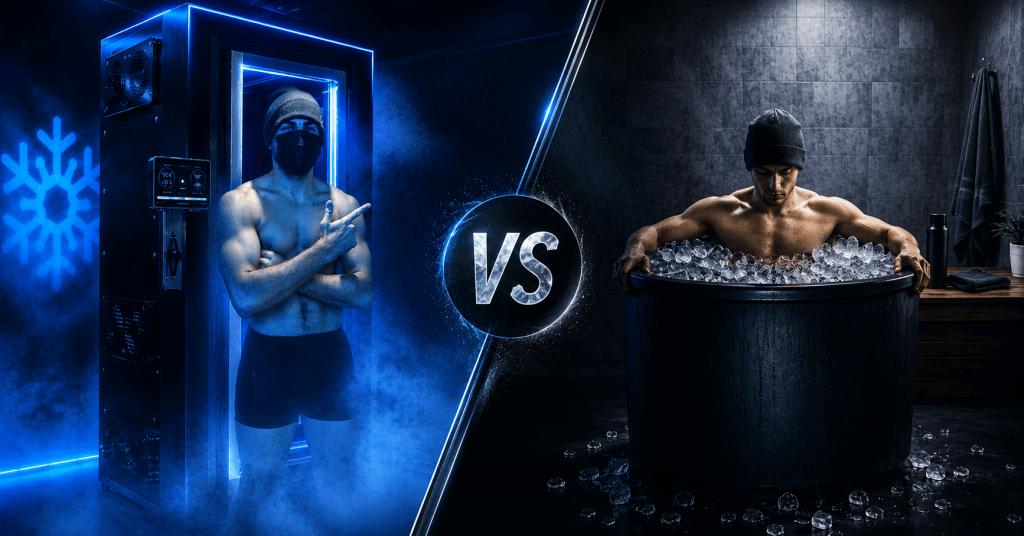
For years, the ice bath was the gold standard. However, the tide has turned toward Whole Body Cryotherapy (WBC) for several reasons:
- Time Efficiency: An ice bath requires 15–20 minutes of discomfort. A cryo-session is done in three minutes.
- Dry vs. Wet: Being “dry” is much more pleasant for players. There’s no need to shower and dry off repeatedly, making it easier to fit into a busy training schedule.
- Consistency: A cryotherapy machine provides a precise, controlled temperature that doesn’t fluctuate, unlike a tub of melting ice.
Pro Tip: While ice baths are great for localized numbing of a specific injury, whole-body chambers provide a more holistic systemic recovery that benefits the entire nervous system.
Integrating Cryotherapy into the Weekly Training Cycle
To get the most out of the technology, timing is everything. Here is how a typical professional schedule might look:
Match Day +1 (The Recovery Day)
The day after a game is usually the “peak” of soreness. A morning cryo-session helps reduce the stiffness that sets in overnight, allowing the player to engage in active recovery like light cycling or swimming.
Pre-Match Activation
Surprisingly, some players use cryotherapy before a game or heavy training session. Short exposures can “wake up” the nervous system, increasing heart rate and oxygen flow, leading to a feeling of increased energy and alertness.
Investing in Recovery: Costs and Setup
As the demand for this technology grows, many local clubs and private sports clinics are looking at the financial side of things. If you are a club owner or a high-level athlete, you might be wondering about the cryotherapy machine cost.
Understanding the Investment
The price of a professional-grade unit can vary wildly depending on whether it is a “cryosauna” (head-out) or a “walk-in chamber.” Generally, the cryotherapy machine cost starts at around £20,000 for entry-level models and can exceed £100,000 for multi-person electric chambers used by top-tier clubs.
Finding a Cryotherapy Machine for Sale
When looking for a cryotherapy machine for sale, it is vital to consider the running costs. Liquid nitrogen-fed systems often have a lower upfront cost but require ongoing gas deliveries. Electric systems have a higher initial price tag but are often cheaper and easier to maintain over a five-year period.
Staying Match-Ready
In the high-stakes world of football, the difference between winning a header and being a half-second too slow is often down to how well you’ve recovered. Cryotherapy for footballers offers a scientifically backed, time-efficient way to reduce pain, fight inflammation, and keep the body in peak condition from August through May.
Whether you are an individual looking to level up your game or a club manager looking for a cryotherapy machine for sale, investing in cold therapy is an investment in performance.
Ready to upgrade your recovery game?
Contact our specialist team today to learn more about our range of recovery solutions and get a bespoke quote on the latest cryotherapy technology. Don’t let soreness hold you back from your best season yet!
Frequently Asked Questions
Is cryotherapy safe for all footballers?
Yes, for the vast majority of players, it is very safe. However, individuals with high blood pressure, heart conditions, or Raynaud’s disease should consult a doctor first. Always ensure sessions are supervised by a trained professional.
How often should a footballer use cryotherapy?
In a peak season, elite players might use it 2–3 times a week. For amateur players, once a week (usually the day after a match) is enough to see significant improvements in recovery speed.
Does it actually help with ligament injuries?
While cryotherapy is excellent for muscle recovery and general inflammation, specific ligament tears (like the ACL) require a structured physiotherapy plan. Cryotherapy is a supplement to rehab, not a replacement for medical treatment.
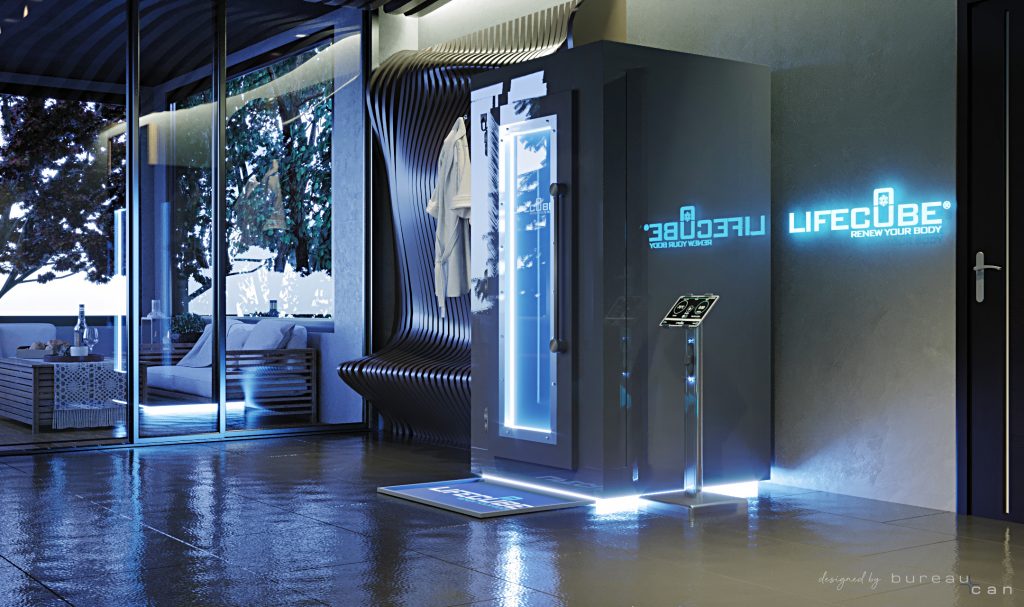
In the fast-paced world of 2026, the “recovery economy” has officially shifted from a luxury perk for pro athletes to a fundamental pillar of everyday health. Whether you are managing a high-end spa in Mayfair, a performance gym in Manchester, or a dedicated wellness clinic, staying ahead means investing in the right wellness recovery equipment.
But with the market flooded with new gadgets, how do you distinguish between a passing fad and a high-ROI investment? This guide breaks down the essential recovery technology dominating the UK market this year, focusing on the gold standard of recovery: whole-body cryotherapy.
Why Invest in Modern Wellness Recovery Equipment?
The demand for biohacking and physical restoration has never been higher in the UK. Recovery is no longer just about “resting”; it’s about using technology to accelerate the body’s natural healing processes. High-quality wellness recovery equipment allows facilities to offer science-backed results for inflammation, sleep quality, and muscle repair.
For business owners, this equipment isn’t just a health tool—it’s a revenue driver. Clients are increasingly looking for “all-in-one” hubs where they can train and recover under one roof.
The Rise of the Electric Cryotherapy Machine
For years, the wellness industry relied heavily on liquid nitrogen to reach sub-zero temperatures. However, 2026 has seen a massive shift toward the electric cryotherapy machine.
Safety and Efficiency
Unlike nitrogen-based systems, an electric machine uses oxygen-enriched air, allowing for a more breathable and uniform cooling experience. This eliminates the risks associated with nitrogen handling and ensures a “whole-body” experience, including the head and neck, which is often missing in open-top cryo-saunas.
Cost-Effectiveness over Time
While the initial cryotherapy machine price for electric models might be higher than nitrogen alternatives, the operational costs are significantly lower. You aren’t paying for weekly gas deliveries, and the “plug-and-play” nature of modern electric units makes them far more sustainable for busy UK clinics.
Finding a Cryotherapy Chamber for Sale UK: What to Look For
If you are currently searching for a cryotherapy chamber for sale UK, you need to look beyond the price tag. The UK market has specific standards for safety and electrical compliance that imported “budget” models often fail to meet.
Key Factors for UK Buyers:
- Footprint and Ventilation: Space is a premium in UK cities like London or Birmingham. Look for compact, pressurized cabins that don’t require massive ventilation overhauls.
- Manufacturer Support: Ensure the supplier has a UK-based maintenance team. If your machine goes down, you don’t want to be waiting for parts from overseas.
- Insurance Approval: Many UK insurers require specific safety certifications (such as CE marking and specific UKCA standards) before they will cover your business.
Beyond the Cold: Complementary Recovery Tech
While cryotherapy is the “hero” product, a complete wellness suite in 2026 should include a variety of wellness recovery equipment to cater to different client needs.
1. Infrared Saunas
While cryo uses cold to reduce inflammation, infrared saunas use heat to penetrate deep into the muscle tissue. Offering “Fire and Ice” packages is a proven way to increase bookings.
2. Hyperbaric Oxygen Therapy (HBOT)
Once reserved for medical clinics, HBOT chambers are now staples in executive wellness retreats. They help saturate the blood with oxygen, significantly shortening recovery times for injuries.
3. Compression Therapy
Automated compression boots are the perfect “add-on” service. They are relatively low-cost and can be used in a relaxation lounge while clients wait for their cryotherapy session.
Elevate Your Wellness Offering
The UK wellness landscape is more competitive than ever. Investing in premium wellness recovery equipment is no longer just about staying current—it’s about providing the results that keep your clients coming back.
From the safety of an electric cryotherapy machine to the targeted power of localized treatments, your choice of equipment will define your brand’s authority.
Ready to upgrade your facility? Contact our UK specialist team today for a bespoke quote on the latest cryotherapy chamber for sale in the UK and start your journey toward becoming a leader in the recovery space.
FAQ: Navigating the Recovery Market
What is the best wellness recovery equipment for a small studio?
If space is limited, start with localized cryotherapy or compression boots. If you have the budget, a single-person electric cryotherapy machine offers the highest prestige and client results.
How much does it cost to run a cryotherapy chamber in the UK?
Electric models typically cost between £5 and £15 per day in electricity, depending on your local UK energy rates and usage. Nitrogen models depend entirely on the fluctuating cost of liquid gas deliveries.
Where can I find a reliable cryotherapy chamber for sale in the UK?
Always buy through authorized UK distributors who offer installation, training, and a minimum 2-year warranty. Avoid unverified third-party marketplaces.
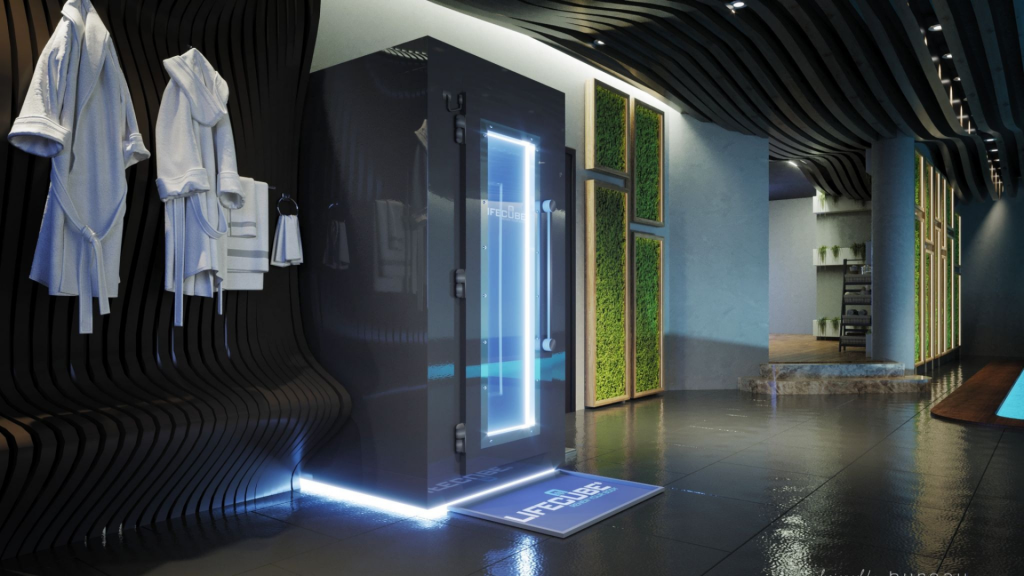
What Happens During Cryotherapy?
Walking into a room that is chilled to temperatures far below freezing might sound like a scene from a science fiction movie, but for thousands of people, it is a weekly or even daily routine. Whether you are an athlete looking for faster recovery or someone seeking relief from chronic inflammation, cryotherapy has become one of the most talked-about wellness trends in recent years and many are now searching for the best cryotherapy machine to bring these benefits into their own routines. In this guide, we will break down exactly what happens during cryotherapy, from the moment you step into the clinic to the biological changes occurring in your cells. You’ll learn about the safety protocols, the science behind the “cold shock,” and the practicalities of the equipment used.
What Is Cryotherapy? An Overview of Cold Exposure
Cryotherapy, literally meaning “cold therapy,” is the practice of exposing the body to ultra-low temperatures for a short duration. While there are localized versions (like using an ice pack), the most popular modern version is Whole Body Cryotherapy (WBC).
In a clinical or spa setting, this is typically achieved using a cryotherapy machine. These machines use liquid nitrogen or sophisticated electric cooling systems to drop the air temperature to anywhere between -110°C and -160°C. If you are a business owner looking to add this service, you might be researching the cryotherapy machine cost, which can vary significantly depending on whether the unit is nitrogen-based or electric.
What Happens During Cryotherapy? The Step-by-Step Process
If it’s your first time, the idea of sub-zero temperatures can be intimidating. Here is the typical journey you will take during a session.
1. Preparation and Dressing
Before entering the chamber, you will be asked to change into minimal clothing to ensure maximum skin exposure. However, protection for your extremities is vital. You will typically wear:
- Dry socks and slippers/clogs.
- Gloves.
- A face mask (to protect your nose and mouth from the cold air).
- Ear protection (usually a headband).
2. Entering the Chamber
You will step into a “cryosauna” (where your head is out) or a walk-in “cryochamber.” The air will feel incredibly dry. Unlike a cold plunge in water, which can feel bone-chillingly painful, the dry air in a cryotherapy machine is often described as a “pins and needles” sensation that is much more tolerable.
3. The Three-Minute Session
Most sessions last between 2 and 4 minutes. During this time, the operator will stay with you, often talking to you to keep your mind off the cold. Your internal body temperature does not drop, but your skin surface temperature drops significantly.
4. Post-Session Warming
Once the time is up, you step out and immediately begin to move. Many facilities have a stationary bike nearby or simply encourage you to walk around. As your blood rushes back to your extremities, you’ll likely feel a “rush” or a tingling sensation known as the endorphin high.
The Biological Response: How Your Body Reacts
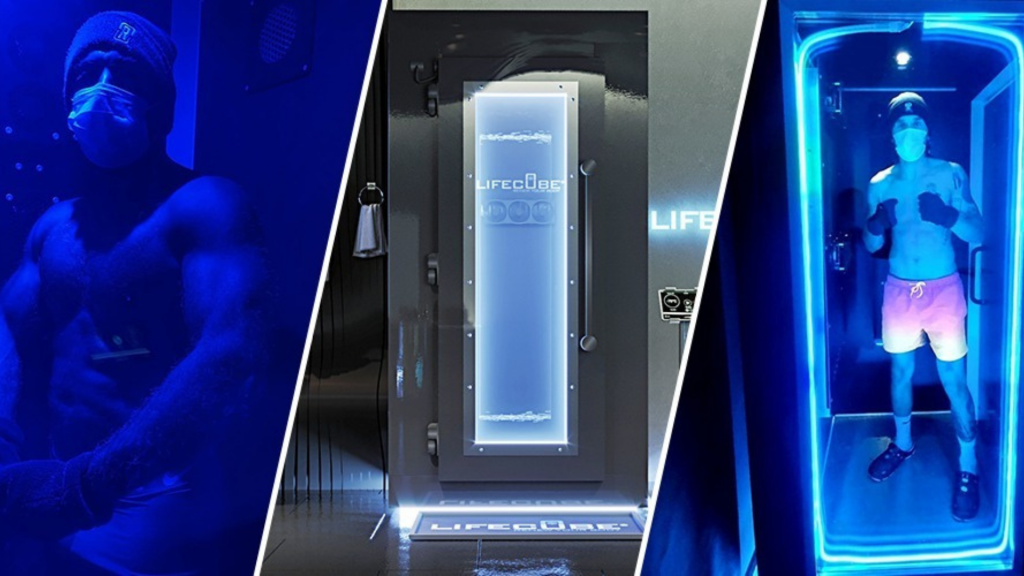
When people ask what happens during cryotherapy, they are usually interested in the “why.” When your skin is exposed to extreme cold, your body enters a “fight or flight” survival mode.
Vasoconstriction and Vasodilation
Initially, your body undergoes vasoconstriction, where blood moves away from your limbs and toward your core to protect your vital organs. This blood becomes highly oxygenated and nutrient-dense. Once you exit the chamber, vasodilation occurs—the blood rushes back to your tissues, flushing out toxins and promoting cellular repair.
Hormone Release
The cold triggers the release of norepinephrine, a hormone that reduces pain and inflammation. It also stimulates the production of endorphins, which explains why many users report an immediate improvement in mood and mental clarity.
Benefits of Regular Cryotherapy
While individual results vary, the primary reasons people seek out this treatment include:
- Muscle Recovery: Reduced downtime after intense workouts.
- Pain Management: Relief from conditions like rheumatoid arthritis and fibromyalgia.
- Metabolic Boost: The body burns calories as it works to reheat itself.
- Skin Health: Improved collagen production and reduced signs of aging.
Understanding the Equipment: Finding a Cryotherapy Machine for Sale
For wellness center owners or professional sports teams, choosing the right equipment is a major investment. When looking for a cryotherapy machine for sale, there are two main types to consider:
1. Nitrogen-Based Units: These are often more affordable upfront but require a recurring cost for nitrogen gas delivery.
2. Electric Chambers: These have a higher initial cryotherapy machine cost but are often considered safer and easier to maintain in the long run as they do not require gas tanks.
Finding the best cryotherapy machine depends on your floor space, budget, and the volume of clients you intend to serve.
Risks and Safety Precautions
While cryotherapy is generally safe for healthy individuals, it is not without risks.
- Skin Burns: If your clothing or skin is wet/damp, the moisture can freeze instantly, causing frostbite.
- Respiratory Issues: Inhaling too much nitrogen-cooled air in an enclosed space can be dangerous, which is why modern machines have oxygen sensors.
- Contraindications: Those with high blood pressure, heart conditions, or pregnancy should avoid cryotherapy. Always consult a medical professional before starting.
Is Cryotherapy Right for You?
Understanding what happens during cryotherapy takes the mystery out of this “cool” technology. It is a powerful tool for those looking to optimize their physical recovery and mental well-being. By triggering the body’s natural healing mechanisms through controlled cold stress, you can achieve a level of systemic relief that traditional icing simply cannot match.
Ready to experience the chill? Find a certified cryotherapy provider in your area today and take the first step toward a faster, fresher recovery. If you are a business looking to upgrade your facility, contact a specialist to find the best cryotherapy machine for your specific needs.
FAQ
Is cryotherapy better than a cold plunge?
Cryotherapy is shorter (3 minutes vs. 10-15 minutes) and many find the dry air more comfortable than ice water. However, both offer similar benefits regarding inflammation.
How many sessions do I need to see results?
For acute injury recovery, 2-3 sessions in a week may suffice. For chronic conditions or general wellness, many people opt for 1-2 sessions per week.
Why is the cryotherapy machine cost so high?
The technology involves medical-grade sensors, high-pressure cooling systems, and specialized materials designed to withstand temperatures that would shatter normal plastics and metals.


