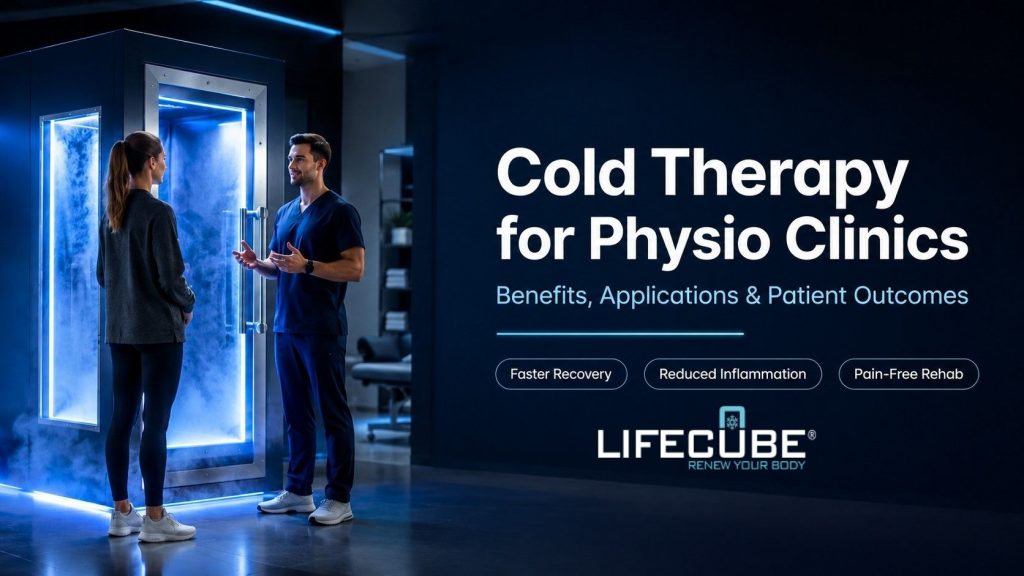
Patients walk into physio clinics every day looking for one thing: relief that actually lasts. Sore joints, inflamed muscles, and slow-healing injuries can make daily life exhausting. This is where a cold therapy clinic steps in, offering a science-backed approach that many practices are now building their treatment plans around.
In this guide, you’ll learn what this type of clinic actually does, how the treatment works on the body, and why more UK physio practices are adding it to their services. We’ll also cover practical considerations, from patient suitability to common questions people ask before trying it.
What Is a Cold Therapy Clinic?
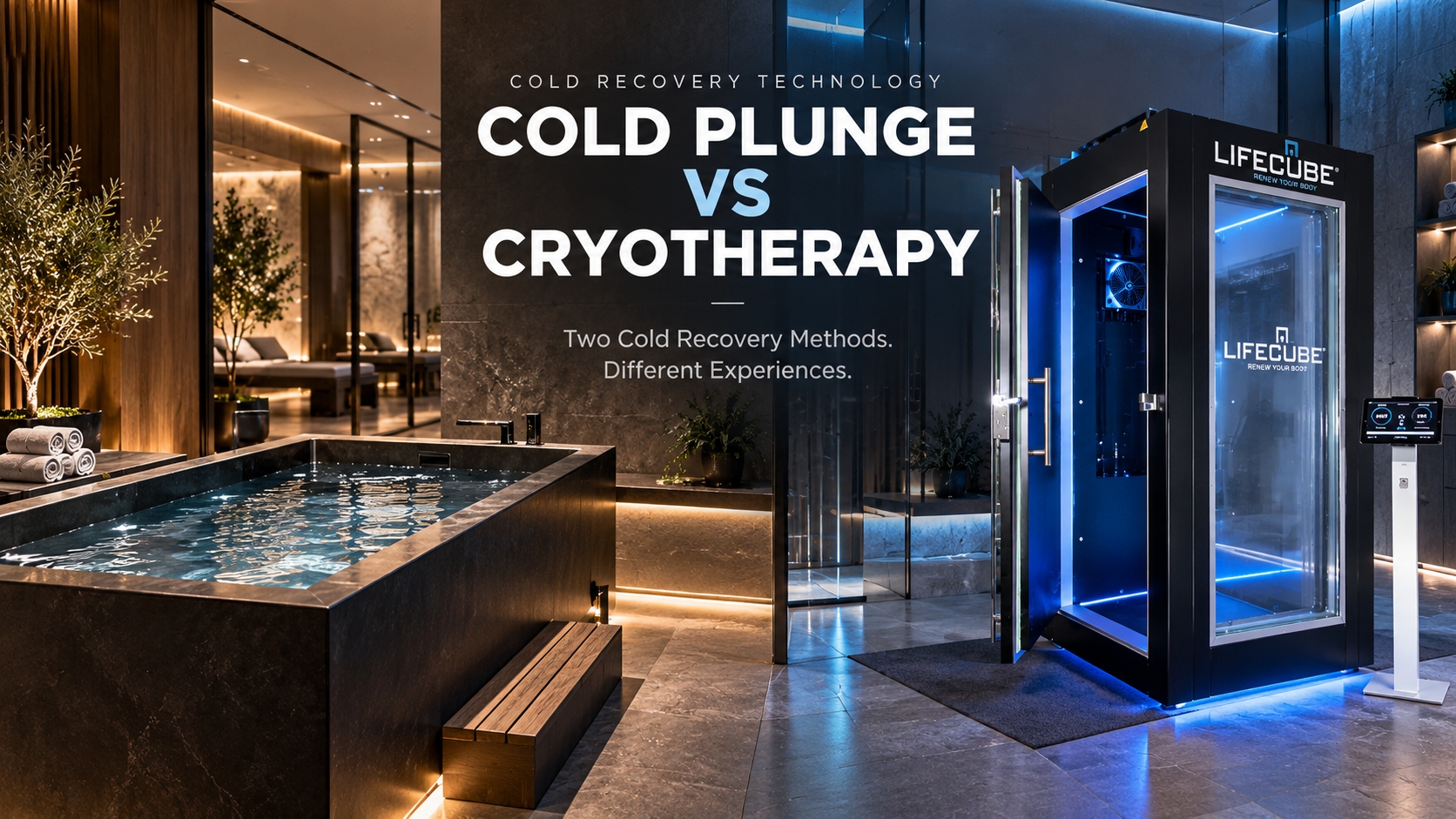
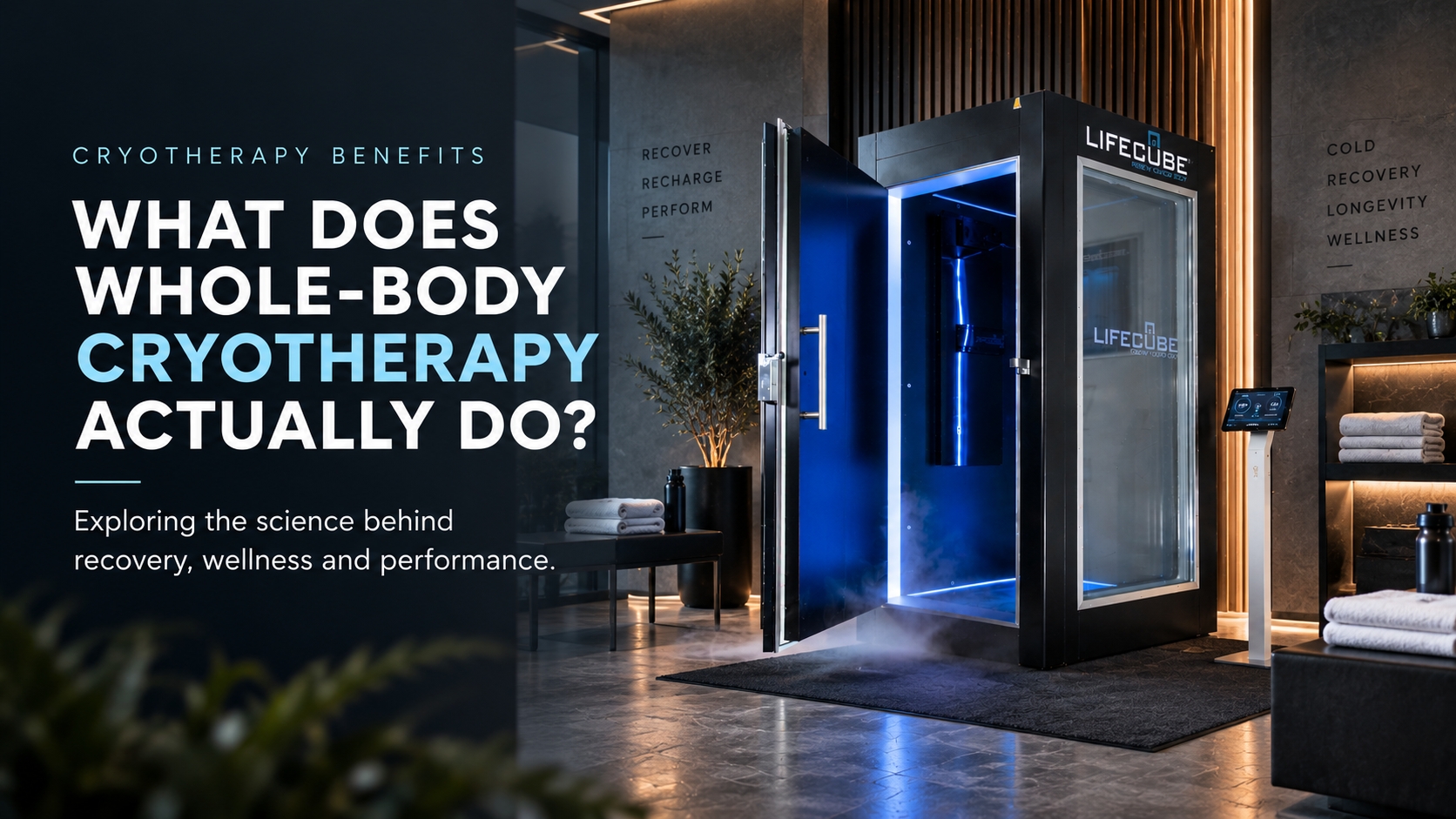
A cold therapy clinic is a facility that uses controlled cold exposure to treat pain, inflammation, and slow recovery from injury or surgery. Treatments range from localised ice application to full-body cryotherapy chambers. The goal is always the same: trigger the body’s natural healing response through temperature control.
Unlike a simple ice pack at home, clinical cold therapy is measured, monitored, and tailored to each patient. Practitioners assess the injury, the stage of healing, and the patient’s tolerance before deciding on intensity and duration. This precision is what separates a professional clinical setting from at-home remedies.
How Cold Therapy Works on the Body
When skin temperature drops rapidly, blood vessels constrict, a process called vasoconstriction. This reduces blood flow to the treated area, which in turn limits swelling and numbs pain receptors. Once the treatment ends, blood vessels widen again, flushing the area with oxygen-rich blood.
This cycle of constriction and rewarming is thought to reduce inflammatory markers and support tissue repair. Many physios pair cold sessions with movement-based rehab to make the most of this window of reduced pain and improved circulation.
Key Benefits of Cold Therapy in Physio Settings
Cold therapy isn’t a one-size-fits-all fix, but its benefits are well documented across sports medicine and rehabilitation practice. Below are the outcomes clinics most commonly report.
Reduced Inflammation and Swelling
Acute injuries like sprains, strains, and post-surgical swelling respond well to early cold exposure. Reducing swelling in the first 48 hours can shorten the overall recovery timeline. This is often the first reason patients are referred to a specialist clinic after an injury, and it remains one of the most researched uses of cold therapy in physiotherapy today.
Faster Muscle Recovery
Athletes and active patients use cold therapy to manage delayed onset muscle soreness (DOMS) after intense training. Cooling the muscles helps clear metabolic waste products that build up during exercise. Many patients report feeling less stiffness within 24 hours of treatment.
Pain Management Without Medication
For patients who want to avoid or reduce reliance on painkillers, cold therapy offers a drug-free alternative. The numbing effect can be enough to allow patients to move more comfortably during rehab exercises. This makes it a useful tool for chronic pain conditions as well as acute injuries.
Supporting Mental Wellbeing
Whole-body cryotherapy sessions are increasingly linked to improved mood and reduced stress, likely due to the release of endorphins during cold exposure. While this isn’t the primary reason patients book a session, it’s a welcome secondary benefit many report, and it can make regular visits feel less like a chore and more like part of a wellbeing routine.
Common Applications in Physiotherapy
Cold therapy isn’t limited to sports injuries. Clinics use it across a wide range of conditions, and understanding these applications helps patients know what to expect.
Post-Surgical Rehabilitation
Following procedures like knee replacements or ligament repairs, controlled cold exposure helps manage post-operative swelling. It’s often combined with compression therapy for a more complete recovery protocol. Surgeons and physios frequently coordinate on timing these sessions correctly.
Chronic Joint Conditions
Patients with arthritis or long-term joint pain often find cold therapy helps manage flare-ups. Regular sessions can become part of an ongoing management plan alongside strength training. This is particularly common in older patient populations.
Sports Injury Management
From ankle sprains to muscle tears, cold therapy is a first-line treatment in sports physiotherapy. Clinics near training grounds or sports clubs often see a steady stream of athletes using these services. Quick access to treatment can make a real difference to return-to-play timelines.
Setting Up Cold Therapy Services in Your Clinic
For physio practice owners considering adding these services, the decision usually comes down to equipment and space. A local cryotherapy chamber or targeted cooling device requires proper ventilation, trained staff, and clear safety protocols.
Many clinics start by researching a cryotherapy machine for sale to compare features like temperature range, chamber size, and safety certifications. It’s worth comparing several suppliers before committing, since equipment quality varies significantly across the market.
Understanding the Investment
Budget is often the biggest factor in this decision. Clinics researching cryotherapy machine cost will find prices vary widely depending on whether they choose localised cooling devices or full-body cryo chambers. Ongoing costs like maintenance, nitrogen or electric cooling supply, and staff training should also factor into the budget.
Smaller practices sometimes start with portable cold therapy units before scaling up to a dedicated treatment space. This phased approach lets clinics test patient demand without a large upfront commitment.
What to Expect During Your First Visit
Walking into a cold therapy clinic for the first time can feel a little intimidating, especially if you’ve never tried anything beyond a home ice pack. Most clinics start with a short consultation to understand your injury history, current symptoms, and any medical conditions that might affect treatment. This helps the practitioner choose the right method and intensity for you.
After the assessment, you’ll usually be guided through the treatment area and shown exactly what to expect, including how cold the session will feel and how long it will last. Staff typically stay nearby throughout, checking in on comfort levels and adjusting settings if needed. Many UK clinics also provide aftercare advice, such as staying hydrated and avoiding strenuous activity immediately after a session.
Typical Session Length and Frequency
A single session can range from a few minutes for whole-body cryotherapy to twenty minutes or more for localised cooling treatments. Frequency depends entirely on your condition and goals, and your physiotherapist will usually recommend a short course of sessions before reviewing progress. Tracking pain levels and mobility between visits helps clinics fine-tune the treatment plan over time.
Who Should Avoid Cold Therapy?
Cold therapy isn’t suitable for everyone, and a responsible clinic will always screen patients first. People with Raynaud’s disease, certain cardiovascular conditions, or cold sensitivity should be assessed carefully before treatment. Pregnant patients and those with open wounds near the treatment area also need special consideration.
A good practitioner will always take a full medical history before recommending any cold therapy session. This screening step protects patients and helps clinics maintain a strong safety record.
Final Thoughts
Cold therapy has moved well beyond the simple ice pack, becoming a structured, evidence-informed part of modern physiotherapy. Whether it’s helping an athlete recover faster or supporting a patient through post-surgical rehab, a well-run cold therapy clinic offers real, measurable benefits.
If you’re a patient curious about whether cold therapy suits your recovery goals, speak with your physiotherapist about a tailored plan. If you’re a clinic owner exploring new services, take time to compare equipment options and understand the full cost picture before investing.
Ready to explore cold therapy for your practice or your recovery journey? Get in touch with a qualified physiotherapy clinic near you to discuss the right plan for your needs.
Frequently Asked Questions
What does a cold therapy clinic actually treat?
This type of clinic typically treats swelling, muscle soreness, joint pain, and post-surgical inflammation. Sessions are tailored to the injury type and patient tolerance.
Is cold therapy painful?
Most patients describe an intense cold sensation rather than pain, which fades once the session ends. Sessions are usually short, often between 2 and 10 minutes depending on the method used.
How often should someone use cold therapy?
This depends on the condition being treated. Acute injuries may need daily sessions in the first few days, while chronic conditions might only need weekly maintenance sessions.
Can I combine cold therapy with other physio treatments?
Yes, cold therapy is commonly paired with manual therapy, exercise rehabilitation, and compression techniques. Your physio will structure a plan based on your specific recovery goals.
Is cold therapy covered by insurance in the UK?
Coverage varies by provider and treatment type. It’s worth checking with your private health insurer or asking your clinic directly about billing codes for cold therapy sessions.