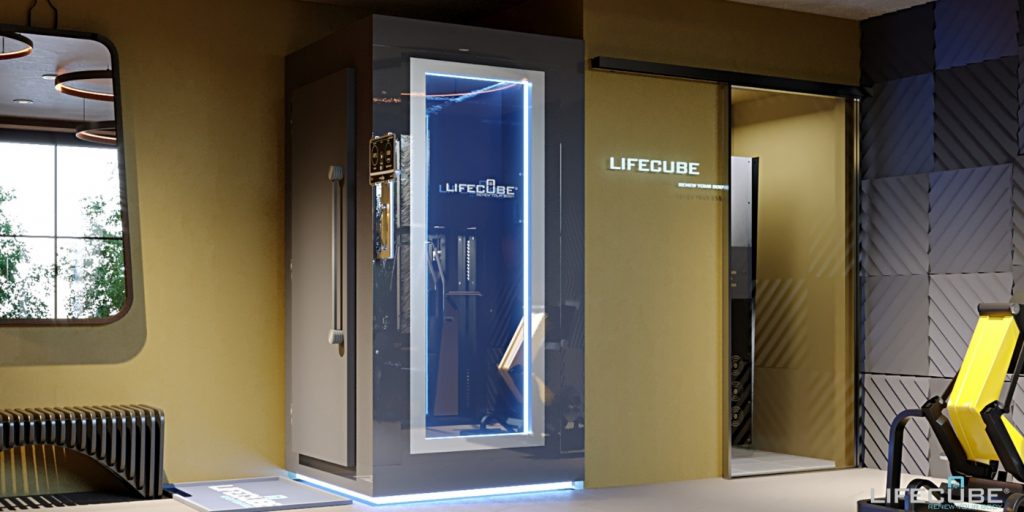
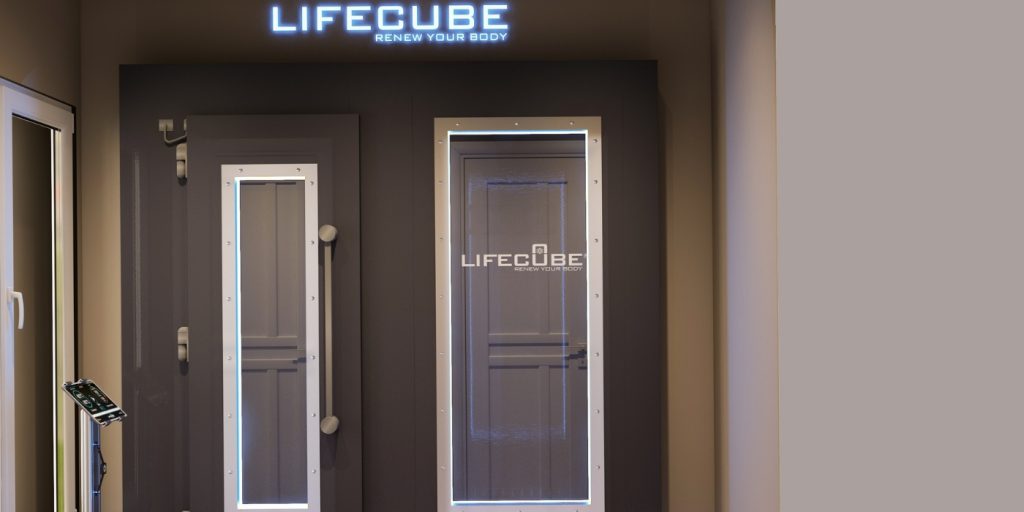
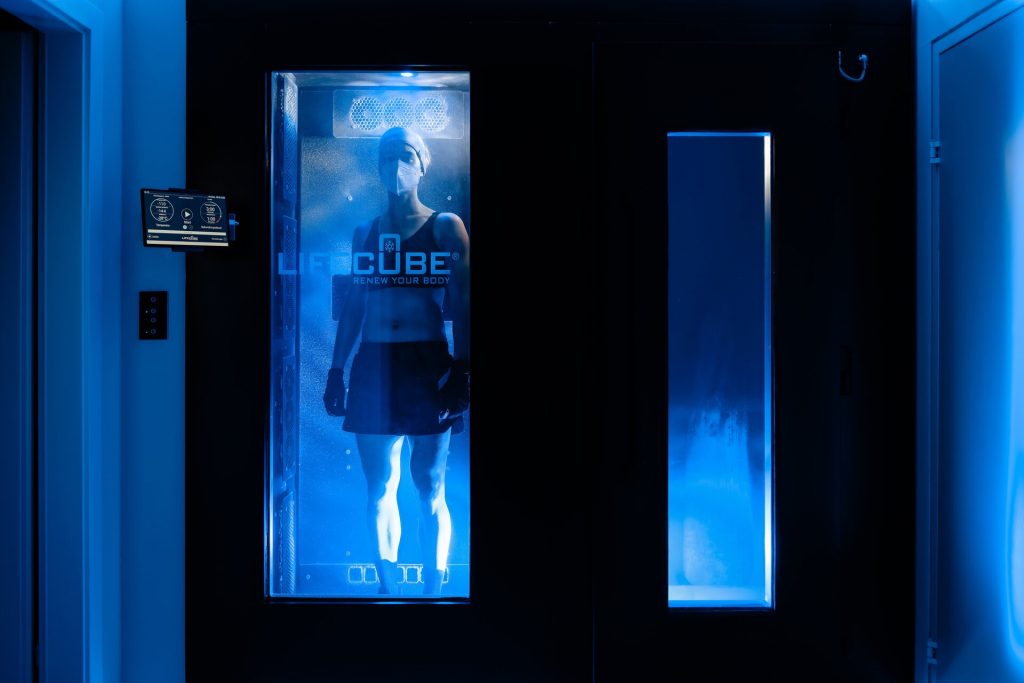
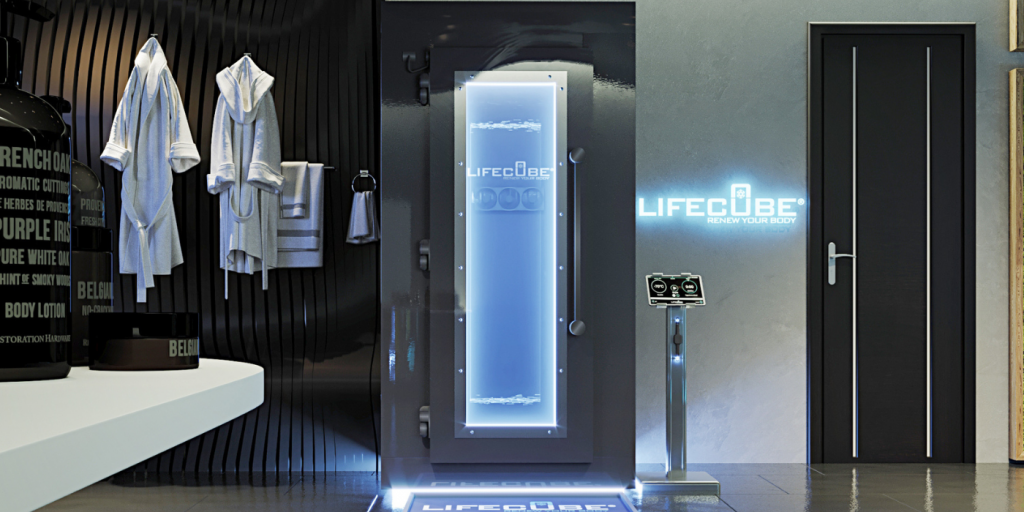
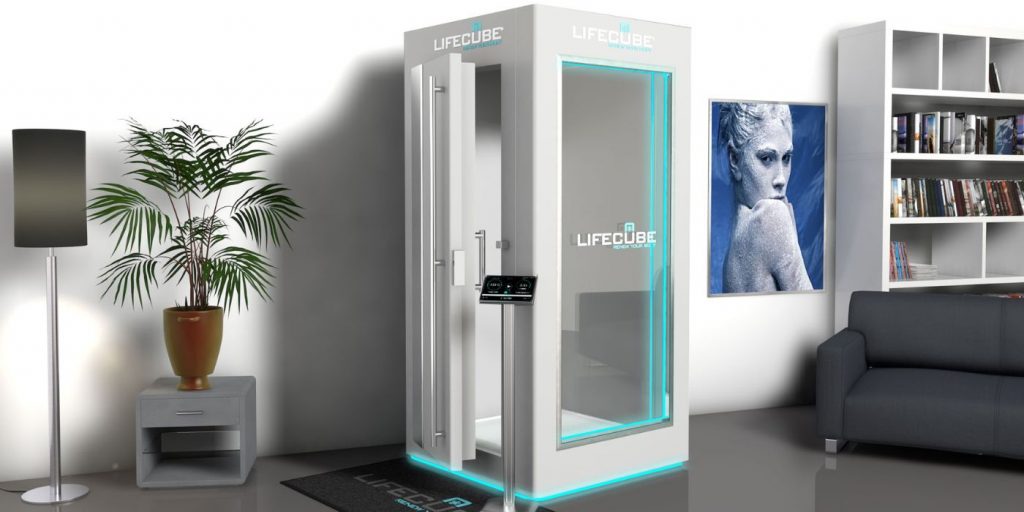
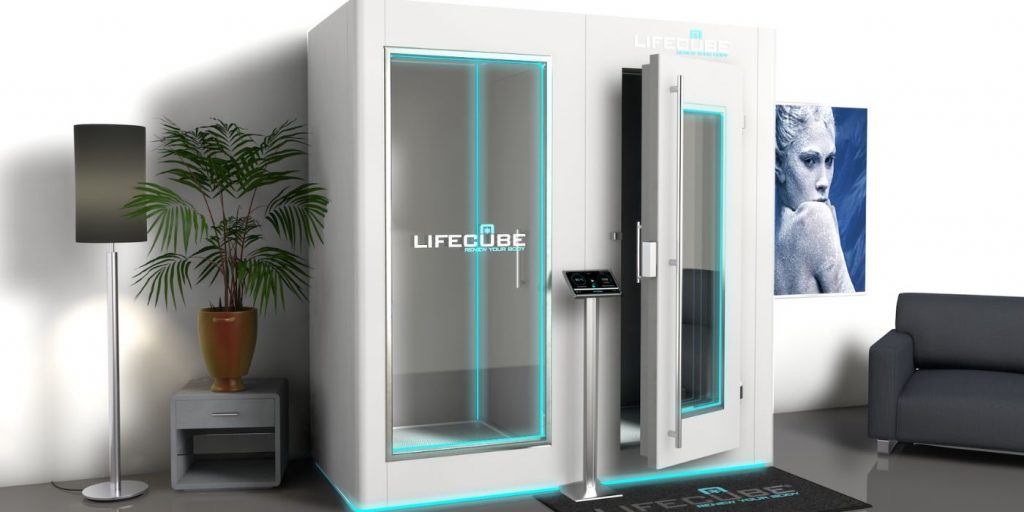
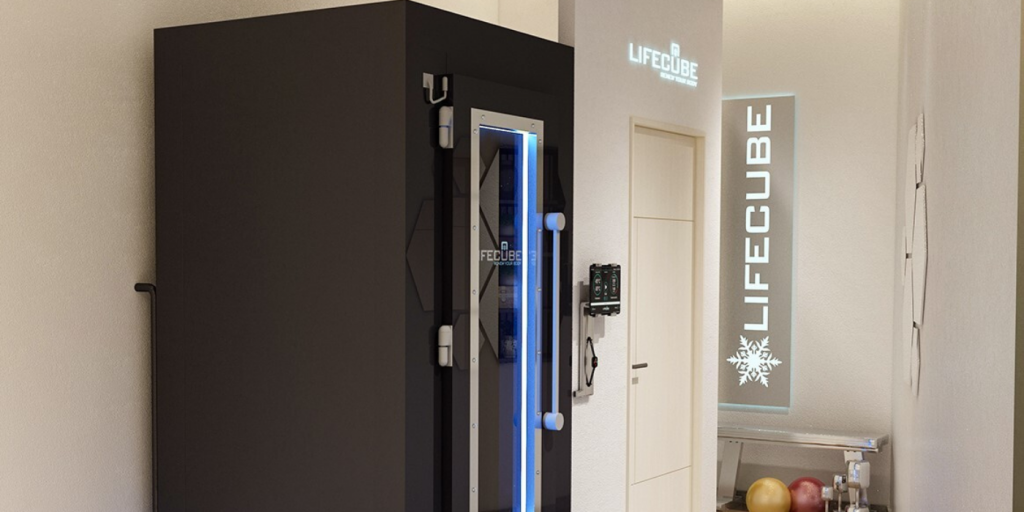
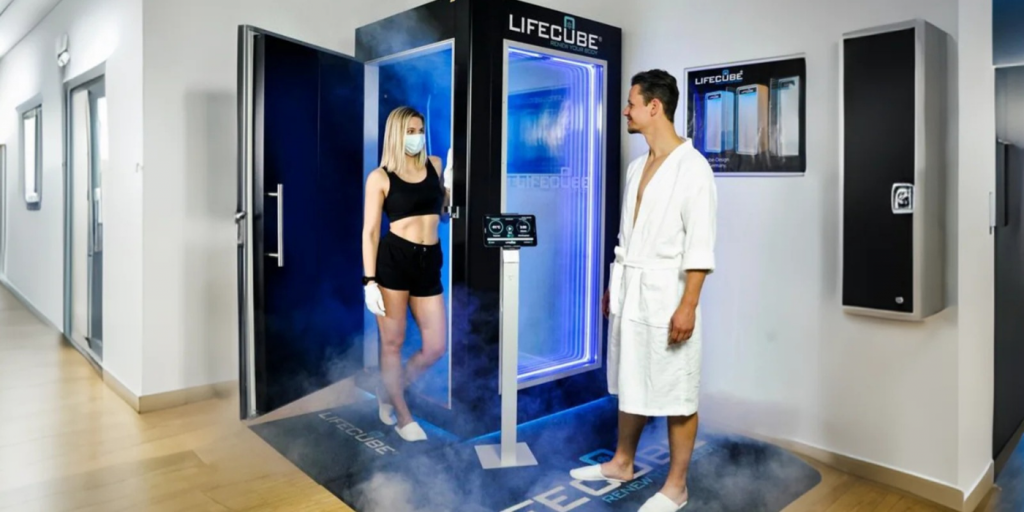
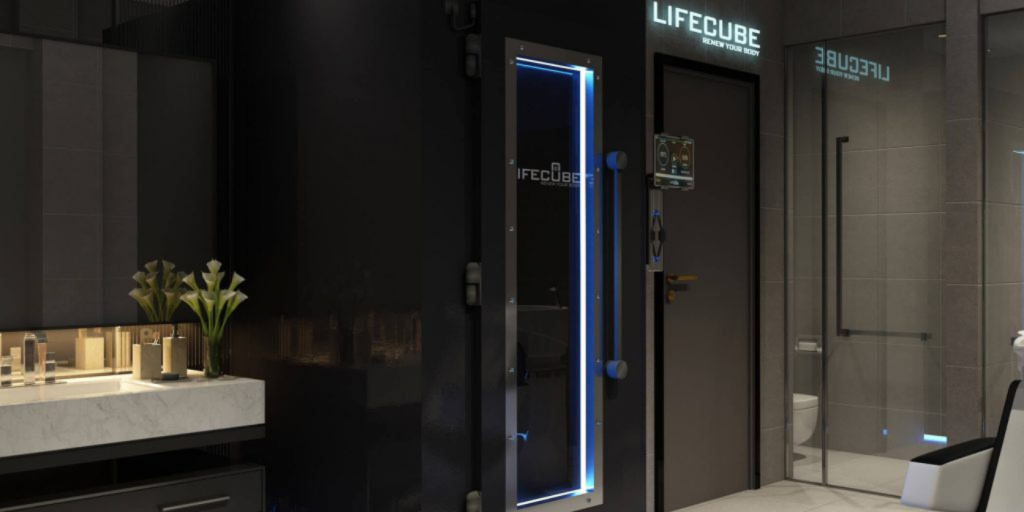
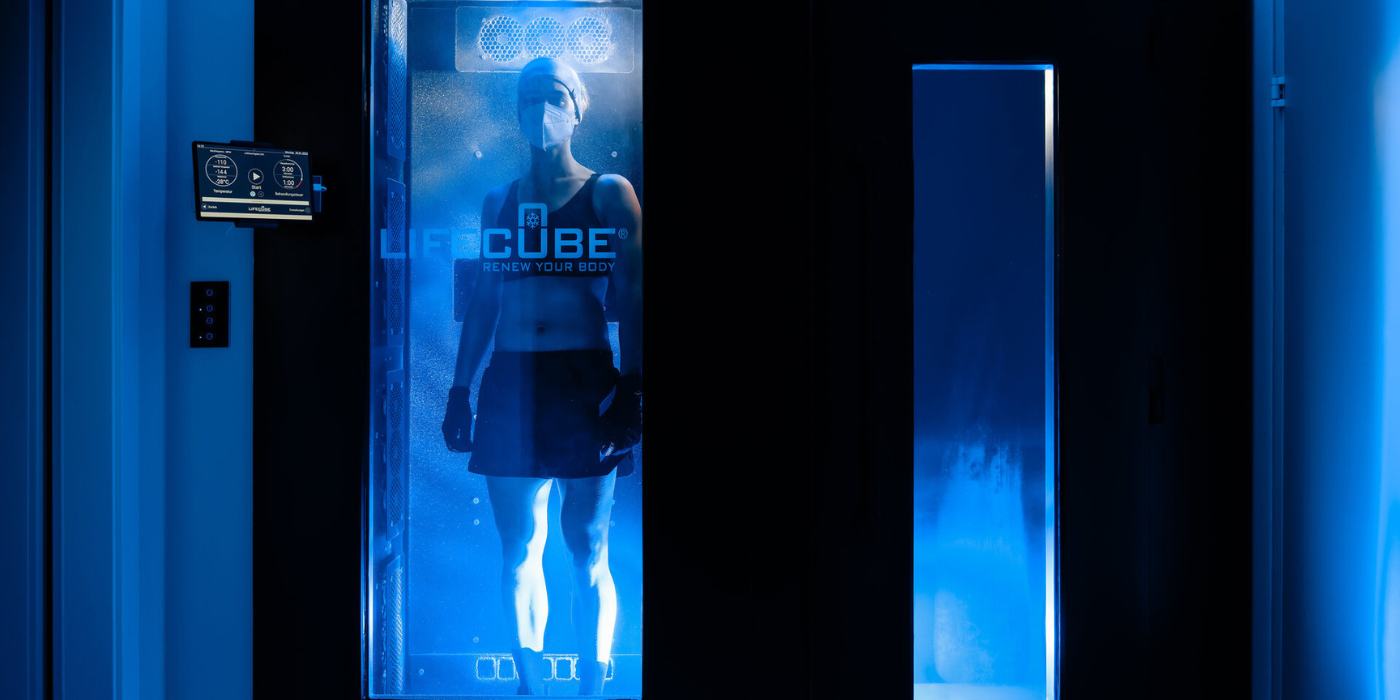
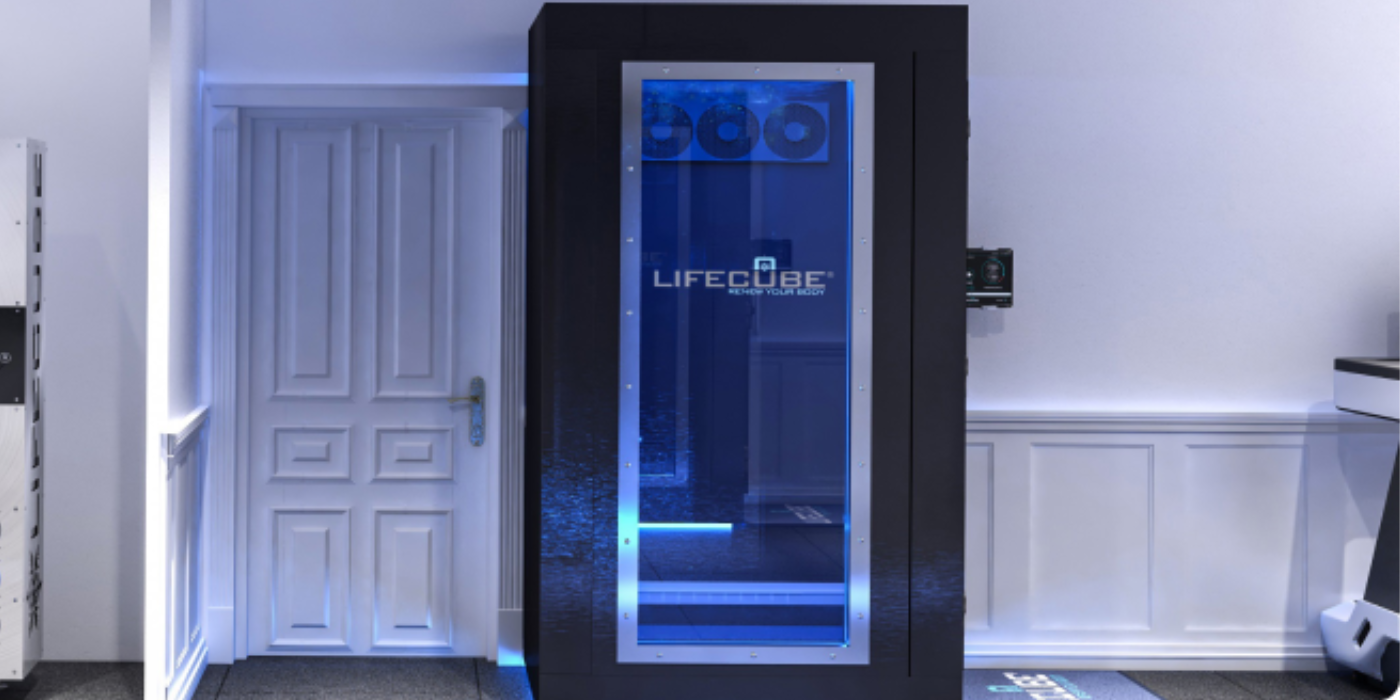
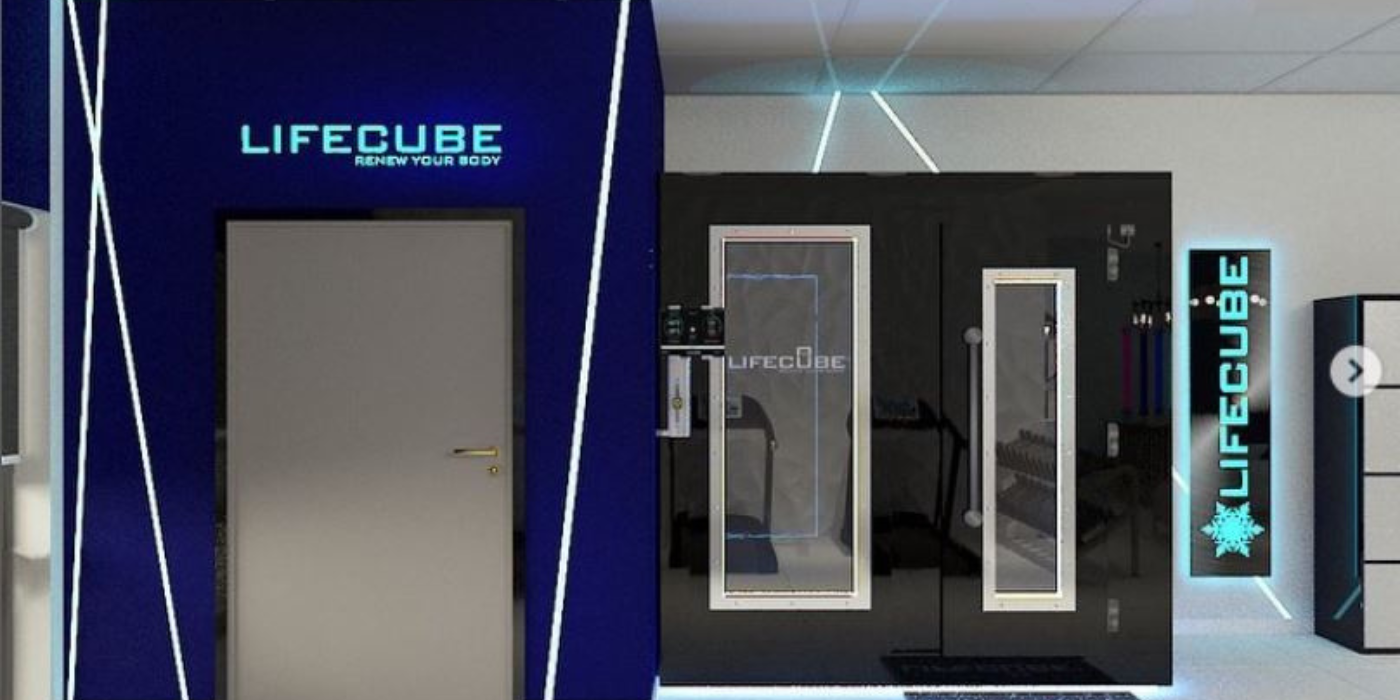
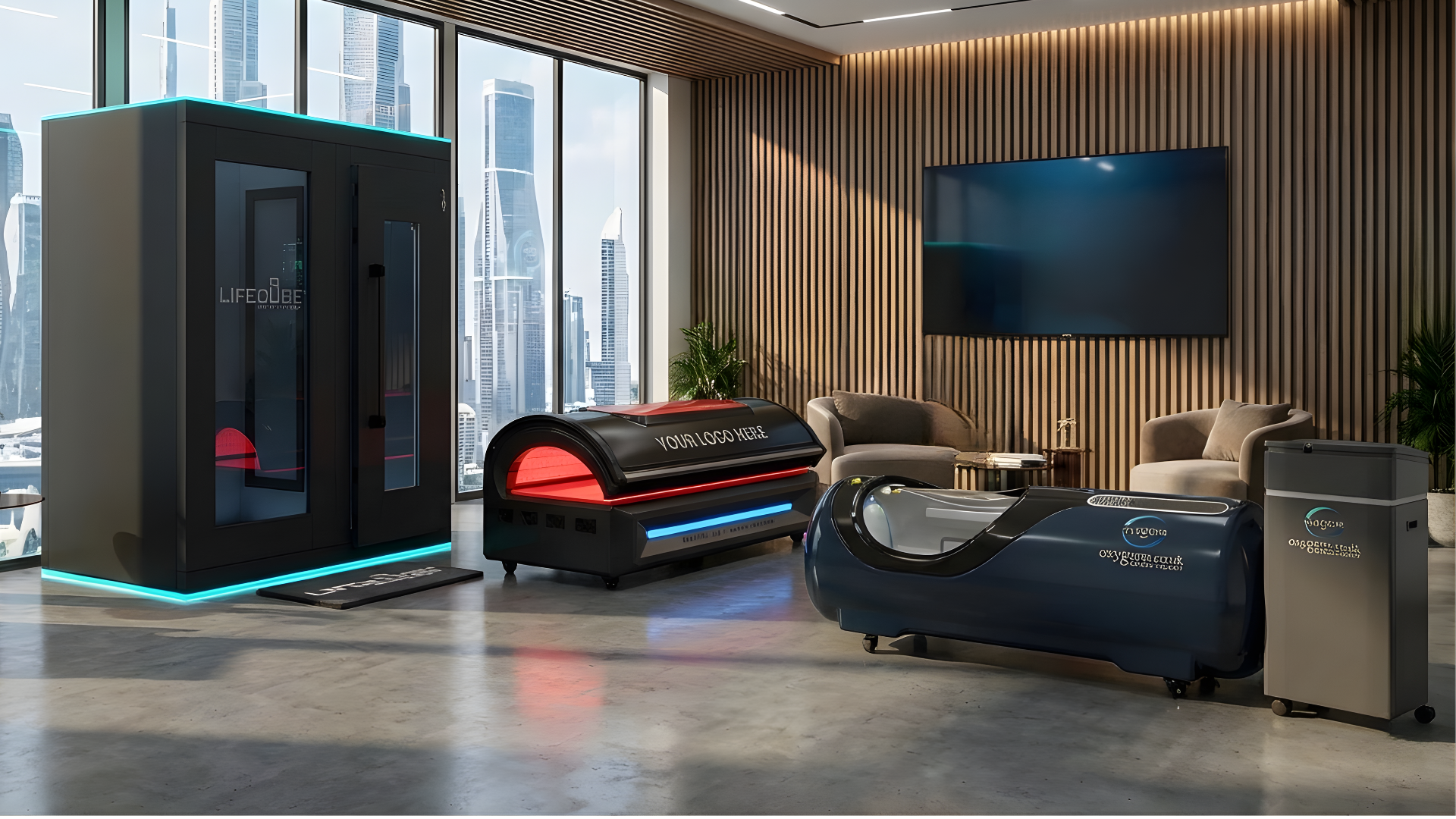
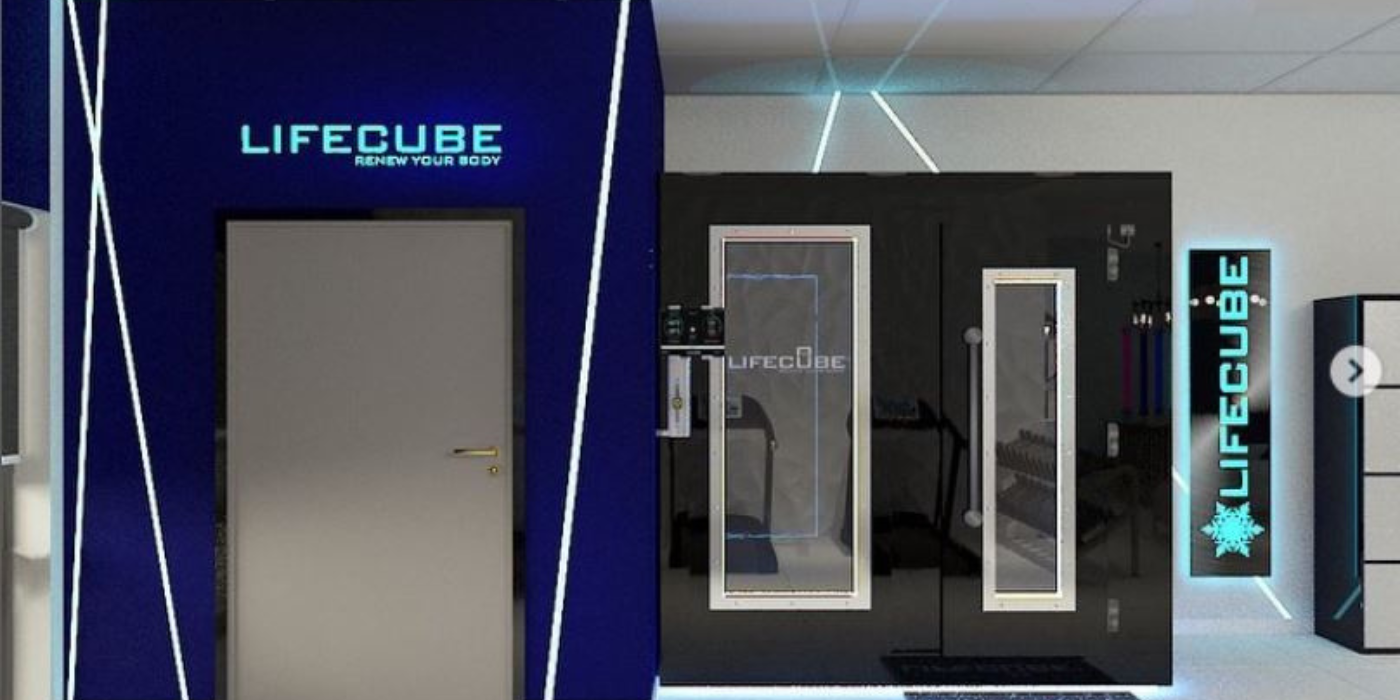
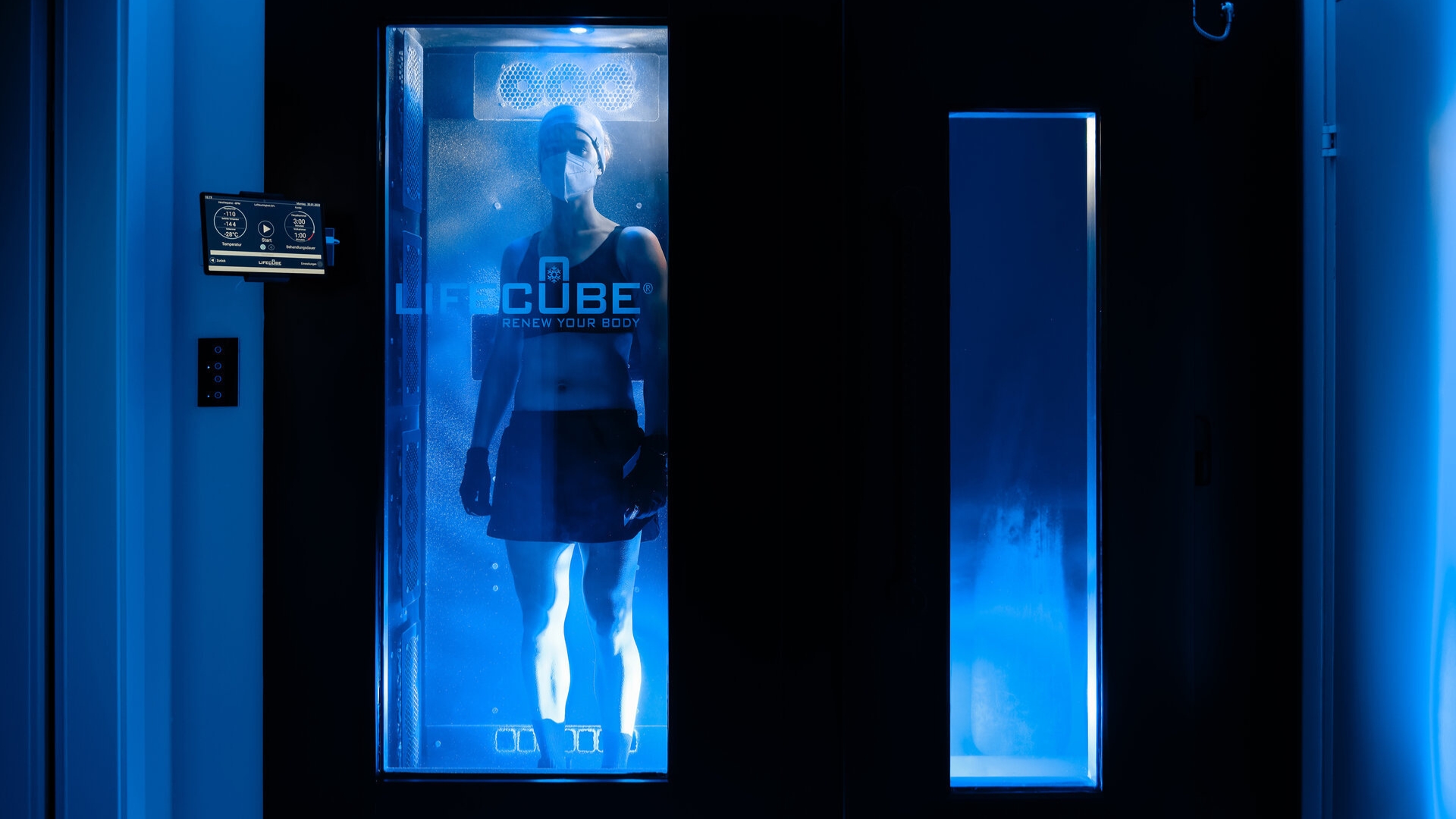
Cold therapy isn’t a novelty—it’s booming. In the UK wellness scene, one of the most prominent trends of 2025 is cold plunging, hailed for its benefits on mood, metabolism and recovery.But for the serious biohacker seeking reliability, convenience and performance, a wheelie-bin-style ice bath won’t cut it. Enter thehome cryotherapy machine—a step up in technology, precision and outcome.
Why Cold Therapy Matters
Research and consumer trends alike reveal that UK wellness-seekers are gravitating toward preventative, recovery-driven routines.Cold therapy triggers a cascade of systems: sharp rise in norepinephrine and dopamine, vascular constriction then dilation, metabolic activation and nervous-system reset. For recovery, performance and resilience, this is where cold becomes strategic—not just brave.
Home Cryotherapy Machine vs Traditional Ice Bath
Temperature & exposure: Traditional ice baths hover around 0°C in water. A cryotherapy unit goes far lower (-110°C to -140°C) but is dry air, so you tolerate it better and drop into that hormetic zone quickly.
Time efficiency: Whereas ice baths might require 10-15 minutes of immersion (sometimes more), cryotherapy sessions last just 2-4 minutes. That means less downtime, greater consistency.
Core temperature safety: With dry air blasts, core body temperature drops minimally, meaning faster recovery and lower risk.
Consistency & environment: A home unit means you don’t rely on spa bookings, shared cabins, or variable conditions. You control your protocol.
Recovery Advantages for Biohackers
Vascular Flush & Inflammation Reduction: On exiting the cold chamber, rapid vasodilation floods the muscles with nutrient-rich blood and clears metabolic waste. This means less DOMS, faster next-session readiness, and better overall muscle turnover.
Nervous System Reset: Cold exposure activates the sympathetic nervous system then prompts a rebound into parasympathetic mode. That transition supports sleep, repair and resilience.
Metabolic Boost: Activating brown fat and improving insulin sensitivity are added bonuses of cold exposure, making the machine relevant beyond fitness recovery and into metabolic optimisation.
Mental Edge: Walking into a chamber of extreme cold trains top-down control: staying calm, regulated, mindful of breath and mindset. That discipline leaks into performance, work and life.
How to Build a Cold Therapy Protocol at Home
Morning activation: 2-3 minutes on waking. Gauge mood, focus and readiness.
Post workout: Immediately after training (ideally weight or endurance) aim for 2-4 minutes. Track muscle soreness, HRV and next-day readiness.
Contrast therapy: Follow your cryo session with a warm bath, infrared sauna or heated lounge to maximise vascular effect and recovery.
Weekly minimum: At least twice per week to create an adaptive stress and recovery pattern. Frequency differentiates amateurs from committed biohackers.
Final Thoughts
If you’ve ever wondered whether the cold-therapy craze is more than wellness fluff, here’s your answer: it’s science-supported, performance-driven and now accessible at home via a home cryotherapy machine. For UK self-optimisers serious about recovery, resilience and repeat performance, the machine isn’t just another gadget—it’s a foundational tool for training smarter and recovering better.
Across the UK, the conversation around wellness has shifted. It’s no longer about chasing short-term fitness goals or rapid transformations—it’s about longevity. From corporate executives in London to elite athletes in Manchester, people are seeking sustainable ways to feel sharper, stronger, and healthier for longer. And one of the most effective tools for this new wave of self-optimisation is the cryotherapy machine for home.
What Longevity Really Means
Longevity isn’t simply about extending life—it’s about enhancing its quality. The goal is to maintain energy, mental clarity, and physical resilience well into later years. While nutrition and exercise form the foundation, the body’s ability to recover efficiently plays a decisive role in slowing biological ageing. That’s where modern cold therapy enters the equation.
From Ice Baths to Cryotherapy Machines
Traditional ice baths have long been used to aid recovery, but they’re messy, time-consuming, and inconsistent. A home cryotherapy machine represents a far more sophisticated solution. Using controlled, ultra-cold air (often between –110°C and –140°C), the system exposes your body to short bursts of dry cold. This triggers powerful physiological responses that promote longevity at the cellular level.
The Science Behind Longevity and Cryotherapy
Cellular Repair and Mitochondrial Health Exposure to extreme cold stimulates mitochondrial biogenesis—the creation of new, efficient mitochondria. These cellular “powerhouses” are essential for energy production and longevity. The result? Better endurance, improved energy, and enhanced resistance to fatigue.
Inflammation Control Chronic inflammation is a major driver of ageing and disease. Regular cryotherapy sessions reduce pro-inflammatory cytokines while boosting anti-inflammatory molecules, helping to slow down the internal wear and tear associated with ageing.
Hormetic Adaptation Longevity experts often refer to “hormesis”—the concept that short, controlled stress improves resilience. Cryotherapy embodies this perfectly: a brief, intense cold shock that strengthens the body’s defences and promotes long-term health.
The Longevity Benefits You Can Feel
Sharper Cognition: Cryotherapy increases blood flow to the brain and releases norepinephrine, improving focus and alertness—two qualities that often decline with age.
Improved Circulation: Vasoconstriction followed by vasodilation enhances oxygen delivery to tissues, promoting youthful skin and cardiovascular health.
Joint Support: The cold reduces joint inflammation, keeping you active for longer.
Hormonal Balance: Regular use may support testosterone and oestrogen regulation, aiding energy, mood, and recovery.
Longevity Meets Convenience: Why At-Home Matters
For years, cryotherapy was available only in specialist wellness centres. But the rise of compact, energy-efficient cryotherapy machines for home has democratised access. Here’s why that matters for longevity seekers:
Consistency Builds Results: Longevity improvements come from regular practice. Owning a home device ensures you never miss a session.
Personal Control: Adjust temperatures and session lengths to suit your body and data from your wearables.
Privacy and Comfort: No appointments or travel—just step in, recover, and get on with your day.
Integrating Cryotherapy into a Longevity Routine
To maximise results:
Start Slow: Begin with 2-minute sessions three times per week, gradually increasing frequency as your tolerance improves.
Track Data: Use fitness trackers or apps to monitor HRV, sleep quality, and mood before and after sessions.
Combine Strategies: Pair cryotherapy with sleep optimisation, balanced nutrition, and moderate exercise for a full-spectrum approach to longevity.
The Future of Longevity Is Cold
As the UK’s wellness culture matures, longevity is no longer just for biohackers—it’s becoming mainstream. The cryotherapy machine for home sits at the intersection of technology, science, and self-care. It’s not a luxury; it’s a logical evolution in how we care for our health.
By embracing short bursts of cold, you can unlock a long-term advantage—one that sharpens the mind, fortifies the body, and helps you live not just longer, but better.
In the pursuit of longevity, consistency is the ultimate luxury—and cryotherapy makes it possible.
In today’s fast-paced UK wellness scene, sleep health has become just as important as training and nutrition. From wearable trackers to biohacking methods, people are exploring new ways to achieve quality rest. One surprising ally? The electric cryotherapy machine.
Once a tool reserved for elite athletes, cryotherapy is now entering homes across the UK, offering not just muscle recovery benefits but also powerful effects on sleep quality. Let’s explore how this innovative technology supports deeper, more restorative rest.
What is an Electric Cryotherapy Machine?
An electric cryotherapy machine uses cooled air rather than liquid nitrogen to create sub-zero temperatures that stimulate the body’s natural recovery responses. Unlike traditional ice baths, it delivers precise, controlled cold exposure with less mess and greater consistency.
While often used for post-workout recovery, electric cryotherapy is now being embraced as a biohacking tool for sleep health.
Why Sleep Health Matters in Recovery
Sleep is where the body carries out most of its repair work — from muscle recovery to hormone regulation. Poor sleep is linked to:
Reduced athletic performance
Increased stress and cortisol levels
Weakened immunity
Lower mood and focus
That’s why sleep health has become one of the top wellness trends in the UK for 2025. And this is where an electric cryotherapy machine comes into play.
How Cryotherapy Supports Sleep Health
1. Regulating Core Body Temperature
Falling asleep requires a natural drop in core body temperature. A short session in an electric cryotherapy machine triggers this cooling effect, helping the body wind down for deeper sleep.
2. Reducing Inflammation & Pain
Chronic soreness or inflammation can keep people awake at night. Cryotherapy reduces inflammation, making it easier to relax and fall asleep comfortably.
3. Lowering Cortisol & Stress Levels
Cold exposure stimulates the parasympathetic nervous system, helping to reduce stress hormones and promote calmness before bed.
4. Boosting Melatonin Production
Emerging studies suggest that regular cryotherapy sessions may positively influence sleep cycles and melatonin release, leading to more consistent deep sleep.
Electric Cryotherapy and Biohacking Sleep
Sleep-tracking devices can measure improvements when combining an electric cryotherapy machine with other biohacking techniques, such as:
Blue light blocking before bed
Breathwork or meditation for nervous system balance
For UK wellness enthusiasts who monitor recovery metrics, cryotherapy sessions often show noticeable improvements in HRV (heart rate variability) and deep sleep duration.
Bringing Sleep Health Home
While cryotherapy chambers were once found only in wellness clinics, home cryotherapy machines are now available — compact, safe, and easy to use. This makes it possible to combine recovery and sleep optimisation without leaving your home.
Whether you’re an athlete, a hybrid fitness enthusiast, or someone simply struggling with restless nights, adding cryotherapy into your evening routine could be a game-changer.
Conclusion
Sleep health is the foundation of recovery, performance, and overall well-being. By using an electric cryotherapy machine, UK wellness seekers can biohack their sleep, reduce stress, and wake up feeling genuinely restored.
Cryotherapy isn’t just about cold — it’s about creating the right conditions for the body to heal and thrive, night after night.
FAQs
Q1: Is cryotherapy safe before bedtime? Yes, short sessions in an electric cryotherapy machine are generally safe and enhance relaxation and sleep onset.
Q2: How often should I use an electric cryotherapy machine for sleep benefits? Two to four sessions per week can help regulate sleep patterns, though consistency matters more than frequency.
Q3: Can I use a home cryotherapy machine instead of an ice bath? Absolutely. Electric cryotherapy machines are cleaner, more efficient, and more precise than traditional ice baths.
Is a Home Cryotherapy Machine Worth It?
Recovery is becoming just as important as the workout itself. Across the UK, fitness enthusiasts, athletes, and everyday wellness seekers are investing in smarter post workout recovery tools to train harder and feel better. From saunas to ice baths and massage guns to red light therapy, the options are endless — but one tool that’s generating serious buzz is the home cryotherapy machine.
So, how does it compare to other popular recovery methods? Let’s break it down.
Sauna: Heat for Relaxation
Traditional saunas and infrared saunas are favourites in gyms and spas. Heat relaxes muscles, improves circulation, and provides mental relaxation. However, they’re not always accessible at home and can require high maintenance.
Pros: relaxation, improved blood flow Cons: not always affordable for home use, requires large space
Ice Bath: Cold Therapy, Old School
Ice baths have been the go-to for athletes for decades. They help reduce inflammation and muscle soreness, but sitting in freezing water isn’t exactly comfortable. Plus, preparing an ice bath daily is time-consuming.
Pros: effective for soreness, widely known Cons: uncomfortable, messy, difficult to maintain at home
Massage: Relief on Demand
Massage guns and therapy sessions target muscle knots and improve recovery. While effective, results depend on consistency and access to a professional, which isn’t always promising.
Pros: great for targeting specific areas, improves blood circulation Cons: limited reach on your own, professional massage can be expensive
Red Light Therapy: A New Trend
Red light therapy has become a trendy option in the UK wellness scene. It’s believed to reduce inflammation, boost recovery, and even support skin health. But the science is still developing, and at-home devices can be pricey with varying effectiveness.
Pros: non-invasive, multi-benefit
Cons: mixed evidence, expensive devices
Home Cryotherapy Machine: The Next Level of Recovery
Here’s where the home cryotherapy machine stands out. Unlike ice baths, cryotherapy is a controlled, efficient, and far more comfortable treatment. With a quick 3–5 minute session, it can help reduce inflammation, speed up muscle recovery, and even boost energy levels.
Pros:
Quick, effective, and efficient
Less discomfort compared to ice baths
Can be used anytime at home
Backed by athletes and recovery experts
Cons:
Need a certain amount of upfront investment
Cost & Effectiveness: Is It Worth It?
While massage or red light devices may seem cheaper at first, they often require repeat purchases or ongoing costs. A home cryotherapy machine may have a higher initial cost, but it pays off in the long run if you’re serious about recovery and performance.
For athletes, fitness professionals, and wellness enthusiasts, the investment in a home cryotherapy machine can be worth it — especially if post workout recovery is a top priority.
Everything You Need to Know
What is a home cryotherapy machine? A home cryotherapy machine is a compact device designed to deliver cold therapy at home. Unlike ice baths, it offers controlled sessions that can help reduce muscle soreness, inflammation, and speed up recovery.
Is a home cryotherapy machine better than an ice bath? Yes, in many ways. While both use cold therapy, a home cryotherapy machine is quicker, cleaner, and less uncomfortable compared to sitting in an ice bath. It also provides a more consistent temperature and experience.
How often should I use a home cryotherapy machine for post workout recovery? Most users benefit from 3–5 sessions per week, depending on training intensity. Athletes may use it daily, while casual fitness enthusiasts can use it after particularly tough workouts.
Is cryotherapy safe to use at home? Yes, when used correctly. Home cryotherapy machines are designed with safety features to ensure sessions are short and comfortable. Always follow manufacturer guidelines.
Final Thoughts
From saunas to red light therapy, every recovery tool has its place. But if you’re looking for a modern, efficient, and science-backed solution, a home cryotherapy machine could be the future of your recovery routine.
As post workout recovery trends grow across the UK, having the right tools at home makes all the difference — and cryotherapy is leading the way.
What Does Hybrid Fitness Really Mean?
Hybrid fitness is more than alternating between the gym and your living room—it’s about building a flexible, personalised training ecosystem. A typical hybrid plan could look like this:
Strength training at your gym on Mondays
A spin workout on your fitness app by Tuesday
Midweek yoga in your living room
A weekend outdoor run
This model gives you the freedom to train anywhere while fitting workouts into your lifestyle. With remote and hybrid working becoming the norm in the UK, more people are investing in home gyms, digital subscriptions, and outdoor training to complement their traditional memberships.
Why Recovery Is the Missing Piece in Hybrid Training
While hybrid fitness is convenient, it also increases the risk of fatigue, soreness, and overtraining. Many people find themselves struggling with:
Muscle tightness when switching between strength and cardio
Limited recovery windows in busy schedules
Elevated stress levels due to constant activity
Without structured recovery, progress slows, injuries rise, and motivation declines. That’s why recovery is no longer optional—it’s an essential part of sustainable fitness.
The Rise of the Cryotherapy Machine for Home
Cryotherapy, once reserved for athletes and elite wellness centres, is now making its way into UK homes. A cryotherapy machine for home gives you the same professional-level recovery—without the hassle of spa appointments.
Key Benefits of At-Home Cryotherapy
Lower Inflammation & Muscle Pain → Ideal after switching between high-intensity and low-intensity sessions
Faster Recovery → Train more frequently with less downtime
Better Circulation & Energy → Enhances stamina and overall wellness
Imagine finishing an evening HIIT class in your living room, then stepping straight into your cryotherapy unit. That’s the level of convenience redefining recovery in the UK wellness market.
How Cryotherapy Strengthens Hybrid Fitness Routines
Here’s why cryotherapy belongs in the toolkit of every hybrid fitness enthusiast:
Flexibility → Recovery whenever you need it, at home or post-gym
Consistency → No more waiting for limited spa slots
Performance Boost → Minimise soreness, maximise training frequency
Convenience → A perfect backup for rainy days or tight schedules
Hybrid Lifestyle Fit → Complements gym, outdoor, and digital sessions seamlessly
UK Fitness Trends & Real-Life Stories
Across London, Manchester, and Leeds, hybrid athletes are upgrading their wellness setups with personal cryotherapy chambers. Once considered a luxury, these machines are becoming essential for anyone serious about longevity, performance, and everyday wellbeing.
The trend is clear: with hybrid training and remote work reshaping modern lifestyles, recovery at home is now a necessity.
Final Thoughts
Hybrid fitness isn’t going anywhere—it’s evolving the way people in the UK approach movement and health. But to thrive in this new model, recovery must keep pace.
A cryotherapy machine for home ensures your body stays strong, flexible, and resilient—no matter where or how you train.
Smarter workouts. Faster recovery. The future of hybrid fitness starts here.
FAQ: Hybrid Fitness & Cryotherapy
Q1: How often should I use a cryotherapy machine for home recovery? Most people benefit from 2–4 sessions per week, though daily use is safe and effective.
Q2: Can I use cryotherapy after every workout? Yes. Cold therapy supports faster recovery, reduces inflammation, and keeps training consistent.
Q3: Are cryotherapy machines suitable for UK flats or smaller homes? Absolutely. Many at-home cryotherapy units are compact, low-maintenance, and designed for apartments.
In recent years, hybrid fitness—a combination of digital workouts and in-person training—has taken the UK wellness scene by storm. With top publications like The Guardian, Yorkshire Magazine, and The UK Times reporting a rise in flexible fitness models, it’s clear that people want convenience, variety, and better recovery solutions from their routines. That’s where a cryotherapy machine for home becomes a game-changer.
What Is Hybrid Fitness?
Hybrid fitness blends online and in-gym training. Whether you’re lifting weights at your local gym one day or doing a HIIT session in your living room the next, hybrid fitness allows for a personalised and balanced routine. It caters to busy lifestyles, weather conditions, and shifting schedules—making it ideal for the modern Brit.
Why Recovery Matters More Than Ever
As hybrid fitness routines intensify, so does the need for structured recovery. Soreness, fatigue, and injury risks are real—especially when jumping between different workout formats. That’s why integrating cold therapy into your regimen can significantly improve performance and consistency.
The Cryotherapy Machine for Home
A cryotherapy machine for home gives you instant access to powerful recovery without stepping foot outside. No more waiting for spa appointments or travelling to wellness centres. Whether it’s after a strength session at PureGym or a yoga flow via YouTube, you can experience:
Reduced inflammation & muscle soreness
Faster recovery between training sessions
Boosted circulation and energy levels
Improved sleep and stress management
How Cryotherapy Complements Hybrid Fitness
Flexible Scheduling: Use it after any workout—morning or night.
Consistency: Keep up your recovery routine no matter where you train.
Performance Gains: Train more often with less downtime.
At-Home Convenience: Perfect for those remote or rainy-day workouts.
Real UK Fitness Stories
Many hybrid athletes in London, Manchester, and Leeds are now turning to personal cryo chambers. With units becoming more compact and user-friendly, they’re an increasingly popular upgrade for home wellness setups—especially in the wake of remote work and digital fitness growth.
Anecdotal evidence from athletes and fitness enthusiasts across the UK suggests a growing interest in merging recovery tools like cryotherapy with flexible fitness routines. Whether it’s a yoga teacher in Brighton or a personal trainer in Glasgow, more people are realising that cold therapy can make a real difference in their performance and longevity.
Understanding the Science Behind Cryotherapy Cryotherapy works by exposing the body to extremely cold temperatures—often between -100°C to -140°C—for a short duration. This triggers the body’s natural healing processes, including endorphin release, reduced inflammation, and enhanced blood circulation. Over time, this can improve joint mobility, reduce fatigue.
Final Thoughts
Hybrid fitness is here to stay. As workouts get smarter, so should your recovery. Investing in a cryotherapy machine for home not only future-proofs your wellness routine but keeps you moving, training, and thriving wherever you are.
FAQ: Cryotherapy & Hybrid Fitness
Q1: How often should I use a cryotherapy machine at home for best results? Most users benefit from 2–4 sessions per week, depending on training intensity. Daily use is safe for general wellness and accelerated recovery.
Q2: Is it safe to use cryotherapy after every hybrid fitness session? Yes! Using cryotherapy post-workout can help reduce inflammation and improve muscle repair, especially when switching between gym and digital sessions.
Q3: Can I install a cryotherapy machine at home in a small space? Absolutely. Many at-home cryo chambers are designed to be compact, low-maintenance, and plug-and-play, making them ideal for UK homes and flats.
Why Heatwaves Are Stressing the Body—and How to Respond
Extended exposure to high temperatures can cause more than just discomfort. It may lead to:
Muscle fatigue
Poor sleep quality
Skin inflammation
Low energy and mood swings
Dehydration
Brain fog
Heat-induced migraines
This is where cold therapy can play a game-changing role by helping the body cool down and reset, internally and externally.
What Is Cryotherapy?
Cryotherapy is a scientifically backed treatment that exposes the body to extremely cold temperatures (often as low as -110°C) for 2–3 minutes. It helps reduce inflammation, boost circulation, and trigger endorphin release. While it started as a professional athletic recovery tool, it’s now entering the home wellness market—and fast becoming one of the best tools for heatwave recovery.
Cryotherapy works by stimulating the body’s natural healing processes. The cold exposure helps draw blood from the skin surface and extremities into the core, where it becomes enriched with oxygen and nutrients. Once the session ends, this enriched blood flows back to the peripheral tissues, encouraging detoxification and recovery.
Why Invest in a Cryotherapy Machine for Home?
Imagine stepping into a state-of-the-art cold chamber right after a hot, exhausting day—without booking appointments or leaving your home. A cryotherapy machine for home brings this experience to your personal space.
Here’s why people are investing in their own home cryo chamber:
Convenience – Cool down and recover on your schedule, whether it’s after a workout or during a heatwave.
Improved Sleep – Cold therapy helps regulate body temperature and may improve melatonin production.
Lower Inflammation – Ideal for people with arthritis, autoimmune conditions, or heat-triggered flare-ups.
Mood Boost – Cryotherapy triggers an endorphin rush—like a cold version of a runner’s high.
Long-Term Savings – With a one-off investment, you can avoid paying per session at a clinic.
Enhanced Energy Levels – A cold blast can act as a powerful reset button, boosting clarity and energy.
How Cryotherapy Supports Your Body During a Heatwave:
During heatwaves, traditional cooling methods (like fans or cold showers) aren’t enough. They offer temporary relief but don’t reset your body’s core temperature. A cryotherapy home machine is different—it delivers therapeutic cold exposure that targets your nervous system, metabolism, and circulation for whole-body relief.
Unlike ice packs or cold baths, cryo chambers offer full-body immersion and are designed to provide consistent, medically safe cooling sessions that work deep within the muscles and joints.
How to Choose the Right Home Cryotherapy Machine
When choosing a cryo machine for your home, consider:
Electric vs Nitrogen: Electric cryo chambers are safer and easier to maintain.
Size & Space: Single-person chambers are compact and suitable for most home settings.
Ease of Use: Look for digital controls, safety sensors, and guided protocols.
Support & Installation: Choose a provider who offers setup help, training, and service.
LifeCube offers German-engineered electric cryotherapy systems designed for home use—no nitrogen required, low maintenance, and full-body cooling at the touch of a button.
Who Can Benefit Most from Cryotherapy During a Heatwave?
Athletes: Recover faster from intense training sessions in hot weather.
Seniors: Reduce inflammation and improve circulation without leaving home.
Busy Professionals: Recharge mentally and physically after long, sweaty commutes.
Parents: Get quick recovery after outdoor play or summer sports with kids.
Wellness Enthusiasts: Add a powerful biohacking tool to your daily routine.
Turn the Heatwave Into a Wellness Opportunity With summer temperatures rising and wellness taking centre stage, owning a cryotherapy machine for home is more than just a luxury—it’s a smart, future-ready investment in your health.
Whether you’re an athlete, a wellness enthusiast, or someone simply trying to beat the heat and inflammation, a home cryo chamber offers powerful benefits on your own schedule.
Frequently Asked Questions (FAQ)
1. Can I use a cryotherapy machine daily during the summer?
Yes. Many users find daily sessions particularly effective during hot months to manage inflammation, fatigue, and sleep disruption. Always follow manufacturer guidelines.
2. Is it safe to use a cryo chamber at home?
Absolutely—especially with electric cryotherapy systems like LifeCube’s. They don’t use liquid nitrogen and come equipped with safety sensors and automated temperature controls.
3. Will it help with heat-triggered skin issues?
Yes. Cryotherapy can help reduce skin inflammation, support collagen production, and ease heat-triggered conditions such as eczema or rosacea.
4. How long does a session last?
A typical whole-body cryotherapy session lasts 2–3 minutes. Despite the short duration, the effects can last several hours.
5. Is cryotherapy suitable for children or older adults?
Generally, cryotherapy is safe for most healthy individuals. However, children, seniors, or those with chronic conditions should consult a healthcare provider first.
Lorraine Stanley Weight Loss: Her Journey and How Weight Loss Works
Lorraine Stanley, best known for playing Karen Taylor in EastEnders, has inspired many with her noticeable weight loss transformation. Fans across the UK have admired her journey—not just for the change in appearance, but for the confidence and healthy glow that followed.
But how does weight loss actually work? What did Lorraine do, and what can others learn from it? In this blog, we break down Lorraine Stanley’s weight loss story, explain the science behind fat loss, and share expert-backed tips to help you on your own journey.
Who is Lorraine Stanley?
Lorraine Stanley is a British actress widely recognised for her gritty, no-nonsense role in EastEnders. Known for her authenticity on and off screen, Lorraine has built a reputation not only as a talented performer but also as a relatable figure to many working-class viewers.
In recent years, Lorraine made headlines for her slimmer figure. While she hasn’t gone into extensive detail publicly, she has shared that her weight loss was motivated by health and lifestyle improvements rather than vanity. Her transformation sparked interest in how she lost weight and what others can do to achieve similar success.
How Does Weight Loss Actually Work?
Before diving into methods, it’s important to understand what weight loss really means.
1. Calories In vs Calories Out
At its core, weight loss is about caloric balance. If you consume more calories than you burn, you gain weight. If you burn more than you consume, you lose weight. This principle is called a caloric deficit.
For example:
A woman needs about 2,000 calories per day to maintain her weight.
If she consistently eats 1,600 calories while burning 2,000, her body will start to use stored fat for energy.
2. Metabolism Matters
Your basal metabolic rate (BMR) is the number of calories your body burns at rest. Factors like age, sex, muscle mass, and genetics affect your metabolism.
Exercise, especially strength training, helps increase your metabolism by building lean muscle.
3. Hormonal Influence
Hormones like insulin, cortisol, and leptin also affect weight. Chronic stress or poor sleep can disrupt hormone levels and make weight loss harder.
Lorraine Stanley Weight Loss: What We Know
Lorraine has not released a detailed weight loss plan, but in interviews and social media appearances, she hinted at lifestyle changes including:
Healthier eating habits
Regular walking and light exercise
Cutting down on sugar and processed foods
Drinking more water
Focusing on long-term changes over crash diets
Her story shows that sustainable weight loss doesn’t require extreme diets or hours in the gym—just consistency and healthier habits.
7 Effective Ways to Lose Weight Like Lorraine Stanley
If you’re inspired by Lorraine Stanley’s weight loss, here are evidence-based tips to help you begin or continue your journey.
1. Start with a Small Calorie Deficit
Use apps like MyFitnessPal or Nutracheck to track your food intake. Aim for a 500–700 calorie deficit per day, which can result in 0.5–1 kg of weight loss per week.
2. Focus on Nutrient-Dense Foods
Eat more:
Vegetables (broccoli, spinach, carrots)
Lean proteins (chicken, fish, tofu)
Whole grains (brown rice, oats, quinoa)
Healthy fats (avocados, nuts, olive oil)
Avoid or limit:
Sugary drinks
Ultra-processed snacks
Takeaways and fried food
3. Exercise Regularly—But Keep It Simple
Lorraine didn’t train like a bodybuilder. Instead, she focused on daily walking and light fitness.
For most people:
Aim for 150 minutes of moderate cardio per week
Add 2–3 strength training sessions if possible
Even 20-minute walks count
4. Sleep and Stress Management
Lack of sleep and high stress elevate cortisol, a hormone linked to fat retention, especially around the belly.
Aim for 7–9 hours of sleep
Use mindfulness apps or light yoga to manage stress
5. Stay Hydrated
Drinking water before meals can reduce appetite. Sometimes, thirst is mistaken for hunger.
Aim for 2 litres per day
Replace sugary drinks with water or herbal tea
6. Avoid Fad Diets
While trendy diets like keto or intermittent fasting work for some, most people regain weight after stopping them. Lorraine’s approach seemed balanced and non-restrictive.
Choose a plan you can stick to for life
Focus on habit changes over quick fixes
7. Track Progress—But Don’t Obsess
Use tools like:
Measurements
Clothing fit
Progress photos
Don’t rely solely on the scale. Fat loss can occur even if your weight stays the same (especially if you’re building muscle).
Bonus Tip: Consider Recovery Tools Like a Cryotherapy Machine for Home
Some individuals incorporate a cryotherapy machine for home use as part of their overall wellness routine. While it isn’t a standalone weight loss solution, cryotherapy may assist with muscle recovery, metabolism support, and inflammation reduction, complementing diet and exercise. Always consult a healthcare professional before use.
Lorraine’s Weight Loss: A Realistic Example of Healthy Change
One of the reasons Lorraine Stanley’s weight loss is so celebrated is because it feels realistic and relatable. She didn’t promote any expensive programmes or pills. She simply adjusted her lifestyle over time.
This aligns with what nutritionists and personal trainers recommend: small, manageable changes lead to long-term success.
Final Thoughts
Lorraine Stanley’s weight loss journey reminds us that you don’t need to overhaul your life overnight. With gradual adjustments to diet, movement, and mindset, anyone can improve their health and confidence.
Whether your goal is to feel better, reduce health risks, or just look your best, weight loss is possible with the right strategy—and it doesn’t require perfection.
If Lorraine could do it while balancing a demanding acting career and public life, so can you.
Frequently Asked Questions (FAQs)
1. How much weight did Lorraine Stanley lose?
While the exact number isn’t confirmed, fans estimate she lost over two stone based on visible changes and interviews.
2. Did Lorraine follow a specific diet?
She did not follow a publicised diet plan. She mentioned eating healthier, walking more, and drinking more water.
3. Can walking really help with weight loss?
Yes. Walking 30–45 minutes daily burns calories and supports fat loss, especially when paired with a healthy diet.
4. Is it better to lose weight quickly or slowly?
Slow and steady weight loss is more sustainable and healthier. Aim for 0.5–1 kg per week.
5. Should I copy what celebrities do to lose weight?
Use celebrity stories as motivation, but always consult a healthcare provider or registered dietitian before making changes.
6. Can tools like a cryotherapy machine for home help with weight loss?
Cryotherapy may support weight loss by boosting metabolism and reducing inflammation. Some individuals use a cryotherapy machine for home to complement their fat-loss routine, but it should not replace a healthy diet and active lifestyle. Always research product quality and consult a professional before use.
Recent Blogs
February 23, 2026
Electric Cryotherapy Machine: A Smart Entry into the UK Biohacking Trend
February 4, 2026
Best Wellness Technology in 2026 | Future of Wellbeing
January 12, 2026
Demand for Electric Cryotherapy Machines in the UK
This blog explores how the electric cryotherapy machine is driving demand for sustainable, high-margin recovery services and why entrepreneurs are adopting single-person systems to build scalable preventative health businesses.
December 30, 2025
Driving Demand for the Electric Cryotherapy Machine
For UK operators entering the recovery and performance market, electric cryo is the most practical, future-proof starting point.
Cryotherapy Machine Cost in the UK (2025): What You Need to Know Before Buying
Cryotherapy is booming in the UK — from high-performance sports recovery clinics in London to beauty and aesthetics centres in Manchester. As more wellness businesses enter the market, the cost of cryotherapy machines has become a hot topic in 2025. But what exactly determines the price? Should you go for electric whole-body chambers or liquid nitrogen cryo saunas? And are there any hidden costs most buyers overlook?
A cryotherapy machine is a device used to expose the body (or parts of it) to extreme cold temperatures — usually between -110°C and -160°C — for 2–4 minutes. It’s used for:
Muscle recovery
Pain management
Skin rejuvenation
Weight loss support
Inflammation reduction
There are two main types:
Electric whole-body chambers (Eco-friendly, consistent cooling)
During cryotherapy, the rapid cooling stimulates the release of endorphins and triggers natural anti-inflammatory responses in the body. The extreme cold temperature is believed to have various therapeutic effects on the body, including pain relief, improved blood circulation, and the activation of the body’s natural healing mechanisms.
Average Cryotherapy Machine Cost in the UK (2025)
Machine Type
Starting Price (GBP)
Typical Range (Installed)
Nitrogen Cryo Sauna
£25,000
£25,000 – £35,000
Electric Cryo Chamber
£55,000
£55,000 – £120,000
Dual-Room Whole-Body Units
£75,000
£75,000 – £120,000+
Note: Prices vary depending on features, supplier, aftercare support, and installation needs.
Hidden Cryotherapy Machine Costs to Consider
Before purchasing, factor in:
Installation & Setup – £3,000–£10,000 depending on electrical work or nitrogen ventilation
Ongoing Maintenance – 250/£500 a month
Staff Training –£1,500 for full sales and criediation
Insurance & Licensing – May be required depending on UK local council regulations
Trending in the UK: Aesthetic Clinics Adopting Cryo
In 2025, many UK beauty clinics are adding cryotherapy to their treatment menus. As demand for non-invasive fat freezing and collagen-boosting cold therapy grows, electric cryotherapy chambers are becoming a smart investment.
Should You Lease or Buy?
Many startups opt for leasing options, which start around £1,200–£2,500/month, depending on the machine. It offers:
Lower upfront cost
Tax benefits
Upgrade flexibility
However, buying may be more cost-effective in the long run if you have steady client demand.
Where to Buy Cryotherapy Machines in the UK?
Trusted suppliers include:
– Official brand distributors and UK dealers – Direct manufacturer websites – Health and fitness expos in London, Manchester, and Birmingham – Specialized online wellness equipment stores
Compare suppliers based on:
Local service support
Warranty & replacement terms
CE certifications
Energy usage efficiency
ROI: Is It Worth the Cost?
Charging £35–£75 per session, and offering 10–20 sessions per day, clinics can recover their investment in 12–18 months. Adding value with monthly cryo membership plans boosts recurring revenue. So, the cryotherapy machine cost compared to the revenue is worth it.
Frequently Asked Questions:
1. What is the difference between electric and nitrogen cryotherapy machines?
Electric cryotherapy machines use a compressor system to cool air without the need for gas, making them safer, more consistent, and eco-friendly. They’re ideal for clinics with high client volume and a long-term plan.
Nitrogen cryotherapy machines, on the other hand, use liquid nitrogen to rapidly chill the chamber. While they have lower upfront costs, the ongoing nitrogen refills can become expensive and require proper ventilation for safety.
Best for low budget: Nitrogen
Best for long-term savings & aesthetics: Electric
2. Can I use a Cryotherapy home machine in the UK?
Technically yes, you can get a Cryotherapy home machine from many distributors that offer individual cryotherapy machine which are best for home uses.
💡 If you’re looking for a home use option, consider localized cryo devices for facial or joint therapy, which cost between £3,000–£8,000.
3. How many sessions per day can a machine handle?
Most machines can comfortably handle 20–40 sessions per day, depending on the type and cycle time. Electric cryo chambers are better for higher throughput and offer faster chamber recovery times, often under 3 minutes.
4. Is there a license required to operate cryotherapy machines in the UK?
There is no universal license, but local councils and health authorities may require:
Fire & safety certification
Ventilation checks (for nitrogen systems)
Staff training documentation
Equipment CE marking compliance
Always consult your local council before opening a cryo clinic or adding the service.
5. What are the maintenance requirements for electric whole-body chambers?
Electric chambers: Filter cleaning, refrigeration system checks, software updates.
\Plan for quarterly servicing and annual inspections. Many suppliers offer maintenance contracts starting from £500/year.
How Does Electric Cryotherapy Work?
In the world of modern wellbeing and recovery, electric cryotherapy machine is rapidly emerging as a safer, more efficient alternative to traditional nitrogen-based methods. If you’ve heard of whole-body cryotherapy but are unsure how is cryotherapy for recovery, this guide will break it down for you. Whether you’re an athlete, a spa owner, or simply seeking muscle recovery or rejuvenation, electric cryotherapy could be your next game-changer.
What Is Electric Cryotherapy?
Electric cryotherapy is a non-invasive treatment that uses super-cooled air generated entirely by electricity to expose the body to sub-zero temperatures. This method differs significantly from nitrogen-based cryotherapy, which uses vaporised liquid nitrogen that poses risks of burns and inconsistent temperature distribution.
Instead of relying on gas, an electric cryotherapy machine cools air to temperatures between -85°C and -110°C and evenly circulates it throughout a specially designed chamber. This approach offers a uniform, safe, and environmentally friendly alternative for full-body cryotherapy.
How Electric Cryotherapy Works for Recovery
Electric cryotherapy accelerates recovery by harnessing sub-zero temperatures to trigger the body’s natural healing mechanisms. During treatment, the skin’s exposure to cold air leads to vasoconstriction, followed by a period of vasodilation once the session ends. This controlled response flushes toxins, reduces inflammation, and promotes oxygen-rich blood flow back to the muscles. As a result, muscle soreness diminishes, joint pain eases, and cellular repair is enhanced.
For athletes and fitness enthusiasts, this means faster post-workout recovery, improved endurance, and a reduced risk of injury. Many users also report better sleep and improved focus, making electric cryotherapy a holistic solution not just for physical but also mental recovery.