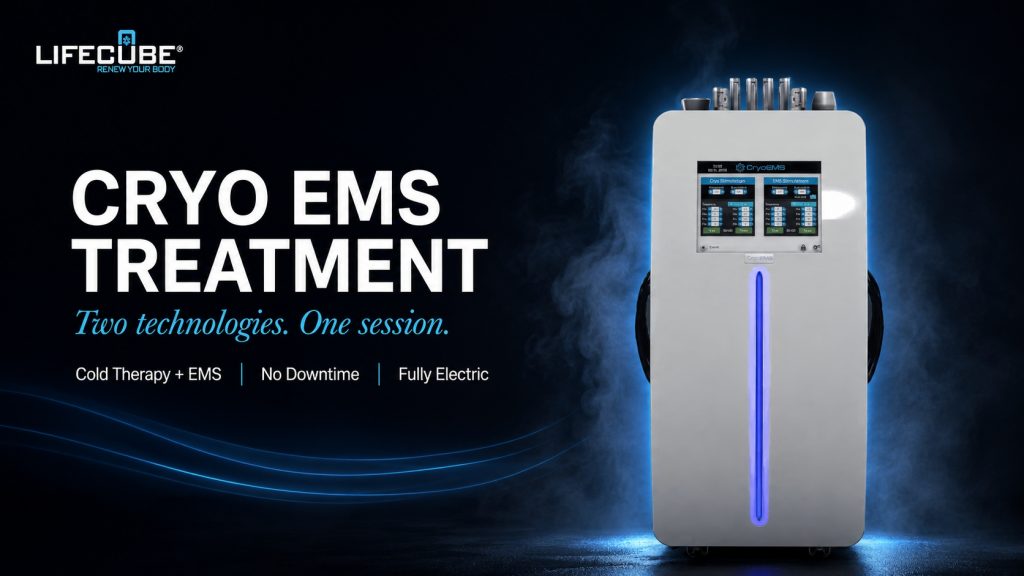
Facial ageing and stubborn body fat are two of the most common concerns clients bring into a clinic. Most cryo ems treatment options on the market only tackle one problem at a time, forcing clients to book separate appointments for skin tightening, muscle toning, or fat reduction. That’s slow, expensive, and frustrating for both the client and the business trying to keep them coming back.
A cryo ems treatment solves this by combining two proven technologies into a single, non-invasive session. In this article, you’ll learn exactly how the treatment works, what happens during a session, who it suits, and how to choose the right equipment if you’re considering adding it to your clinic’s treatment menu.
A cryo ems treatment is a non-invasive procedure that combines controlled cold therapy with electrical muscle stimulation (EMS) in one device. Rather than treating skin and muscle separately, the two technologies work at the same time, on the same area.
The cold component targets fat cells and tightens the skin’s surface. Meanwhile, the EMS component contracts the underlying muscle, much like an intense workout would, but without any physical strain on the client. Together, this creates a treatment that addresses fat, skin tone, and muscle definition in a single appointment.
Clinics offering aesthetic or wellness services are increasingly adding cryo ems treatment to their menu because it appeals to clients who want visible results without downtime, needles, or surgery.
The science behind a cryo ems treatment rests on two separate, well-documented principles working in tandem.
Cold exposure causes fat cells beneath the skin to become more susceptible to natural breakdown, while also stimulating collagen production, which supports firmer-looking skin over time. EMS, on the other hand, sends controlled electrical pulses through the muscle, triggering contractions similar to those achieved through resistance training.
When delivered together through handpieces placed on the treatment area, clients experience both effects during the same session. As a result, clinics can offer a more efficient appointment without compromising on the depth of the treatment.
Cold exposure causes fat cells beneath the skin to become more susceptible to natural breakdown, while also stimulating collagen production.
EMS sends controlled electrical pulses through the muscle, triggering contractions similar to those achieved through resistance training.
The quality of the outcome depends heavily on the equipment behind it. A well-engineered electric cryotherapy machine delivers consistent, controlled temperatures across the treatment area, which matters because uneven cooling can lead to inconsistent results or discomfort.
Unlike older systems that rely on liquid nitrogen, an electric unit gives practitioners precise control over both temperature and EMS intensity, adjusting each independently for different clients and treatment goals.
This is particularly important in a clinical setting, where consistency and repeatability build client trust and support long-term retention.
A typical cryo ems treatment session follows a clear, straightforward process:
Consultation – the practitioner discusses treatment goals and identifies suitable target areas.
Handpiece placement – up to eight handpieces are positioned on areas such as the abdomen, thighs, arms, or face, depending on the device.
Cold and EMS activation – the machine begins delivering controlled cold alongside adjustable muscle stimulation.
Session duration – most appointments last between 20 and 45 minutes.
Aftercare – clients can typically return to normal activity immediately, with no recovery period required.
Because there’s no downtime, many clinics position the treatment as a lunch-break appointment, which appeals to busy professionals who want results without disrupting their schedule.
This treatment tends to suit a broad range of clients, including:
Individuals looking to reduce stubborn fat in areas resistant to diet and exercise
Clients interested in facial rejuvenation without invasive procedures
People seeking improved muscle tone without additional gym sessions
Clients managing mild skin laxity or early signs of ageing
Those who want visible results without surgery or downtime
However, it’s worth noting that individual results vary, and a cryo ems treatment should be positioned as a complementary aesthetic service rather than a guaranteed medical outcome. Clinics should always carry out a proper consultation before treatment to confirm suitability.
Traditional fat-reduction and muscle-toning methods usually require multiple appointments across different devices or providers. In contrast, a combined approach reduces the number of visits needed to see progress in more than one area.
For example, a standalone EMS session builds muscle contraction but does nothing for skin tightening. Similarly, cold-only treatments support fat breakdown but leave muscle tone untouched. A cryo ems treatment closes that gap by addressing both goals simultaneously, which is often why clinics see stronger client retention once it’s added to the menu.
Additionally, because the treatment uses a fully electric system rather than nitrogen-based cooling, clinics avoid the added cost, storage requirements, and handling risk that come with nitrogen supply. This makes day-to-day operation considerably simpler for staff.
Not every cryotherapy unit on the market is built for combined cold and EMS delivery, so it’s worth checking a few things before investing:
Furthermore, clinics should factor in staff training, warranty terms, and ongoing support when comparing suppliers, rather than focusing on price alone.
A cryo ems treatment gives clinics a genuine point of difference: a single, efficient session that addresses fat, skin, and muscle tone together, without needles, surgery, or downtime for the client. For clinics already offering recovery or aesthetic services, it’s a natural addition that fits neatly alongside an existing electric cryotherapy machine or cryotherapy unit.
If you’re considering bringing this treatment into your facility, get in touch with LifeCube to discuss which chamber and configuration best suits your client base.
Discuss Your Clinic’s RequirementsFind answers to common questions about cryo EMS treatment, sessions, downtime and treatment suitability.
A cryo ems treatment is typically used for fat reduction, skin tightening, and muscle toning, and it’s also applied to facial areas for non-invasive rejuvenation.
Most sessions last between 20 and 45 minutes, depending on the number of areas treated and the device used.
No. Clients can usually return to their normal routine immediately after a session, with no recovery period required.
This varies by client and goal. Many clinics recommend a course of sessions over several weeks, though your practitioner should confirm what’s realistic during consultation.
Most clients describe the sensation as intense but tolerable, similar to a deep muscle contraction combined with cold exposure. It should never be painful when delivered correctly.
Standard cryotherapy focuses purely on cold exposure for recovery or skin benefits. A cryo ems treatment adds electrical muscle stimulation into the same session, targeting muscle tone alongside the cold-based benefits.
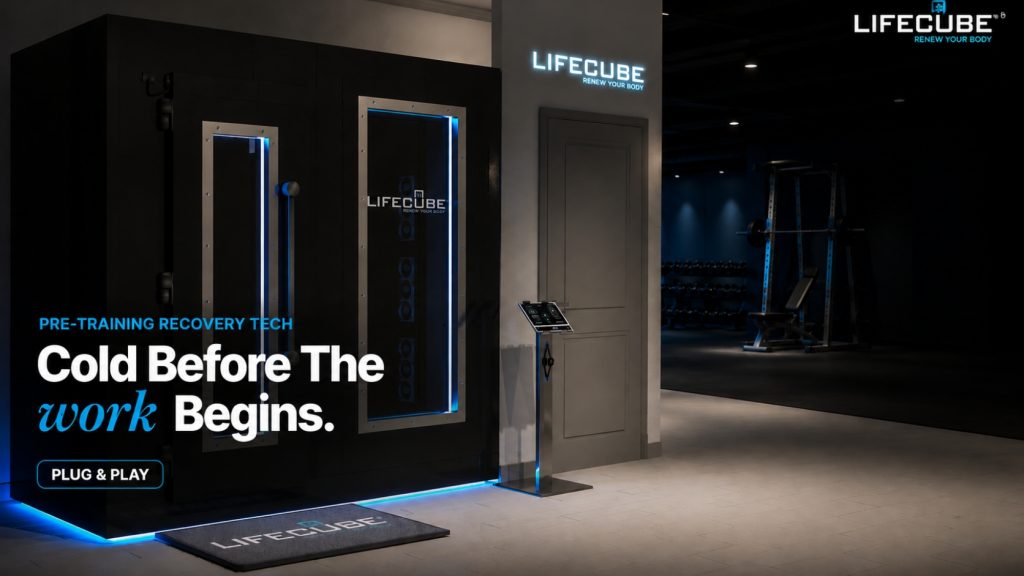
Most people associate cryotherapy with recovery – something you do after a hard session to ease soreness. But a growing number of athletes, coaches and sports clinics are now exploring cryotherapy before training instead of, or as well as, afterwards.
Is there anything to this, or is it just another wellness trend? In this article, we’ll look at what pre-training cold exposure actually involves, why some facilities are introducing it, and what business owners considering a whole body cryotherapy machine should know before adding it to their service menu.
Cryotherapy before training simply means completing a short whole-body cold exposure session in the minutes leading up to physical activity, rather than only using it for post-workout recovery.
A typical session lasts just a few minutes inside a controlled chamber. The body is exposed to very low temperatures, and the client steps out, warms up naturally, and moves straight into their training session.
The idea itself isn’t new. Athletes have long used ice baths, cold showers and cooling vests before competing in hot conditions. Modern electric cryotherapy machine technology simply offers a faster, more controlled and more comfortable way to achieve a similar cooling effect, without the mess or complexity of ice or nitrogen handling.
For facilities already running post-training recovery sessions, adding a pre-session option is often a natural extension rather than a completely new service.
Understanding the mechanism helps explain why some coaches are curious about cold exposure as part of a warm-up routine, rather than purely as a recovery tool.
During a session, skin and surface body temperature drop quickly. This triggers several short-term physiological responses, including changes in blood flow, a temporary reduction in perceived fatigue, and a spike in alertness as the nervous system reacts to the cold stimulus.
Modern chambers, such as LifeCube’s fully electric cryotherapy machine range, use a double-chamber design. Clients move through a pre-chamber before reaching the main chamber, allowing the temperature to ease down from around −30°C to as low as −110°C. This gradual transition is designed to make the experience manageable, even for people trying it for the first time before a workout.
So why would someone choose this approach instead of waiting until afterwards? A few reasons come up repeatedly among athletes and facility owners.
For athletes training or competing in hot environments, pre-cooling may help delay the point at which the body starts to overheat. This is one of the more established uses of pre-cooling in elite sport, particularly for endurance events held in high temperatures.
Many clients describe feeling more alert and focused immediately after a cold exposure session. For some, this makes a pre-session cold plunge feel like a sharper alternative to a traditional static warm-up.
Some athletes report feeling less heavy heading into a session after cold exposure beforehand, which may support a stronger start to a workout, even if underlying fatigue levels are unchanged.
Beyond the individual experience, offering sessions ahead of training gives gyms, sports clubs and recovery centres a way to differentiate their offering – turning a single chamber into two distinct services: pre-session activation and post-session recovery.
It’s worth noting that research specifically on this pre-training approach is still developing, and results vary between individuals and sports. Facilities should avoid presenting it as a guaranteed performance enhancer, and instead position it as a supportive part of an athlete’s broader routine.
Both approaches have a place, and many facilities offer both, simply framing the service differently depending on timing.
Before training, cold exposure is generally used for:
After training, cold exposure is generally used for:
For most facilities, the sensible approach is to offer clients the flexibility to book either – and to let staff explain the difference during onboarding, rather than assuming one is always the better option.
Interest in this pre-training approach is growing across several types of business:
In each case, the appeal is similar: a short, controlled session that fits neatly into an existing routine, using equipment that’s already on-site rather than requiring a separate investment.
For multi-site operators, offering a pre-session option can also help even out demand across the day. Post-training recovery bookings tend to cluster after peak training hours, whereas a pre-session slot can fill quieter mid-morning or early-afternoon periods, making better use of the chamber across a full working day.
Before adding a pre-session option to your menu, it’s worth thinking through a few practical points with your team.
First, staff need a clear script for explaining the difference between pre- and post-training sessions, so clients understand which one suits their goals. Second, scheduling should allow enough buffer either side of a session so clients aren’t rushed straight from a cold chamber into intense activity. Finally, it’s sensible to gather informal feedback from early clients – how they felt going into training, and whether they’d book again – rather than assuming the service will land the same way for everyone.
None of this requires new equipment if you already operate a chamber for recovery. It’s largely a case of adjusting scheduling, staff briefing and how the service is marketed to clients.
If you’re a facility owner considering adding a pre-session cold offering to your services, the equipment itself matters. A few practical points are worth thinking through before you invest.
Pre-training sessions need to fit into a tight window before a workout, so quick setup and fast turnaround between clients matter more than they might for a purely post-session recovery service.
A chamber that eases clients into the cold, rather than exposing them abruptly, tends to suit first-time and pre-session users better. This is particularly relevant if you expect nervous or first-time clients to try this ahead of a workout, rather than after one.
An electric cryotherapy machine removes the need for nitrogen storage and handling, which simplifies day-to-day operation for busy facilities running back-to-back sessions across a full day.
If you’re planning to offer both pre- and post-training sessions, consider a whole body cryotherapy machine built for higher daily usage, such as a double-room design that can support greater client flow.
Pre-session sessions still require a guided, professional briefing, just like post-training recovery sessions. Staff should be confident explaining the difference between the two use cases to clients.
Cryotherapy before training is an emerging use case rather than an established standard, but it’s one more facilities are exploring as they look for ways to get more value from their cryotherapy equipment. For gyms, sports clubs and clinics already offering post-training recovery, adding a pre-session option is often a simple way to extend the appeal of the same chamber to a new part of the client’s routine, without adding significant cost or complexity.
Ready to explore whole-body cryotherapy for your facility? Get in touch with LifeCube to discuss the right chamber for your business.
Some athletes and coaches report feeling more alert and less fatigued after a pre-training session, particularly in hot conditions. Evidence is still developing, and results vary by individual and sport, so it shouldn’t be treated as a guaranteed performance boost.
Sessions are typically short – a few minutes – designed to fit easily into a warm-up routine without disrupting training time.
Modern electric cryotherapy machine chambers with a gradual temperature transition are generally considered more comfortable for first-time users than sudden, extreme cold exposure. As with any new activity, clients should be briefed properly by trained staff beforehand.
Yes. Most facilities use the same whole body cryotherapy machine for both pre- and post-training sessions, simply adjusting how the service is scheduled and explained to clients.
It’s best viewed as a complement to, rather than a replacement for, a proper physical warm-up. Many athletes use both together as part of their pre-session preparation.
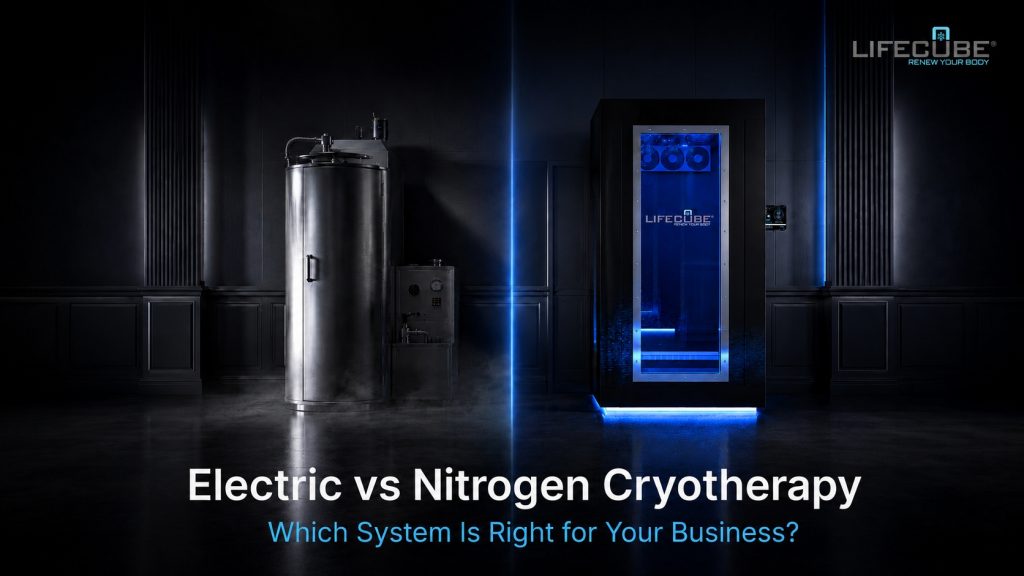
Choosing between electric vs nitrogen cryotherapy is one of the first decisions any gym, clinic, spa or hotel faces when adding whole-body cold therapy to their services. The system you pick affects your running costs and staff training. It also shapes your health and safety obligations, and how smoothly the treatment fits into a busy day.
Therefore, this guide compares both systems in plain terms. You’ll learn how each chamber works and what safety measures each one requires. You’ll also see how running costs compare, and how to choose the right cryotherapy unit for your facility. Understanding these trade-offs upfront can save you time, money and hassle later on.
Both systems expose the body to extreme cold for a short session, usually two to three minutes. The aim in each case is to support recovery and wellness goals. However, the two methods reach that temperature in very different ways.
Nitrogen cryotherapy cools the chamber by releasing vaporised liquid nitrogen directly into the space around the client. Electric cryotherapy, in contrast, uses a fully electric refrigeration system to reach the same low temperatures. It works on a similar principle to industrial cooling technology, without any nitrogen supply at all.
This distinction sits at the heart of the electric vs nitrogen cryotherapy debate across the wellness and sports recovery industry. One method relies on a consumable gas that requires delivery, storage and handling. Meanwhile, the other doesn’t rely on any external supply chain at all.
Clinics have used nitrogen chambers for longer, and many still rely on them today. A tank stores liquid nitrogen, typically outside the treatment room. From there, pipes carry it into the chamber, where it vaporises and displaces the air around the client to create the cold environment.
This method can reach very low temperatures quickly. However, it also comes with several operational demands:
None of this makes nitrogen cryotherapy inherently unsafe, provided the facility installs and manages it properly. Nevertheless, it does add a layer of logistical and safety responsibility that many commercial operators would rather avoid. For that reason, electric cryotherapy has become the more popular route for new commercial installations.
Electric cryotherapy chambers remove the nitrogen supply chain altogether. Instead, they use a compressor-based cooling system that plugs into standard power to bring the chamber down to treatment temperature.
For example, most modern electric chambers use a double-chamber design. First, a pre-chamber gradually cools the client. Then the main chamber takes them down to full treatment temperature, typically in the region of -80°C to -110°C. This staged approach aims to make the experience more comfortable, particularly for first-time clients, while still delivering a fast, intense session.
Because there’s no gas to deliver, store or vent, electric systems are generally simpler for staff to operate day-to-day. Furthermore, they typically require less specialist training to run sessions safely.
Safety is one of the most common reasons operators start comparing electric and nitrogen cryotherapy options in the first place. Each system carries a different risk profile, so it’s worth understanding both before you commit to either one.
With nitrogen systems, the main consideration is oxygen displacement. If a chamber or room lacks proper ventilation, or if nitrogen leaks into an enclosed space, oxygen levels can drop fast. This happens without any obvious warning sign, since the gas itself is odourless. The UK’s Health and Safety Executive publishes detailed guidance on managing these risks in enclosed and confined spaces. Any facility running a nitrogen chamber should know this guidance well.
This is why nitrogen cryotherapy facilities typically need oxygen sensors, ventilation systems and strict standard operating procedures. Facilities should also train staff to recognise the early signs of oxygen deficiency, and to know exactly what to do when an alarm sounds. In the electric vs nitrogen cryotherapy safety comparison, this is usually the single biggest factor operators raise.
Electric systems don’t carry the oxygen displacement risk, since no nitrogen gas features at any stage. That said, electric chambers still need proper installation, routine maintenance and staff training. In this respect, they’re no different from any other piece of commercial equipment.
For many facility owners, removing the nitrogen handling risk entirely is a significant factor in the electric vs nitrogen cryotherapy decision. A peer-reviewed scoping review from an international research consortium looked at whole-body cryotherapy safety. It highlights operational and procedural safeguards as central to safe delivery, regardless of which cooling method a facility uses.
This is where the two systems diverge most in day-to-day business terms. Nitrogen systems involve an ongoing consumable cost, whereas electric systems run on standard electricity with fewer moving parts to manage.
| Cost Factor | Nitrogen Cryotherapy | Electric Cryotherapy |
| Primary running cost | Regular liquid nitrogen deliveries | Standard electricity usage |
| Storage requirements | Dedicated tank storage, often ventilated | None required |
| Specialist maintenance | Gas handling equipment servicing | Compressor and cooling system servicing |
| Safety monitoring | Oxygen sensors and alarms required | Standard equipment checks |
| Staff training | Nitrogen handling certification | General operator training |
Because electric chambers don’t rely on a consumable supply chain, many operators find running costs easier to predict. However, exact figures depend on your local energy rates, session volume and specific chamber model. It’s always worth requesting a tailored cost breakdown for your facility rather than relying on general estimates.
Beyond the technical specification, it’s worth considering how each system shapes the client-facing experience. Nitrogen chambers can sometimes create a slightly clinical or industrial impression, given the visible gas supply and associated safety signage.
Electric chambers, meanwhile, often focus more on interior aesthetics. Clean lines, ambient lighting and a more premium, spa-like feel are easier to achieve. There’s no gas supply to accommodate in the design.
For businesses positioning cryotherapy as a premium recovery or wellness service, rather than a purely clinical treatment, this visual difference matters. It can carry as much weight as the technical specification. Throughput matters too. Because electric chambers don’t pause for nitrogen top-ups or ventilation checks between sessions, many commercial operators move clients through more smoothly across a busy day. That said, actual session capacity always depends on the specific chamber model and staffing levels.
There’s no single correct answer to the electric vs nitrogen cryotherapy question. Instead, the right choice depends on your business model, your available space, and your existing infrastructure.
Before selecting a cryotherapy unit, therefore, it’s worth working through a few key questions:
Do you have space and ventilation for nitrogen storage, or would you prefer to avoid gas handling altogether?
How important is minimising staff training and daily operational complexity?
Is the visual design of the chamber part of your brand experience, particularly in a spa, hotel or premium gym setting?
What client volume do you expect, and how does that affect your throughput needs?
Are you looking to buy outright, or would a rental arrangement suit your business while you test demand?
Work through these questions with a supplier who can explain real installation requirements, not just a spec sheet. This will usually get you to the right decision faster.
It’s worth noting, however, that the electric vs nitrogen cryotherapy conversation looks a little different outside a commercial setting. A home cryotherapy machine is generally a much smaller, lower-powered unit. It targets localised or partial-body cold exposure, not the whole-body treatment that commercial chambers in this guide provide.
Consequently, if you’re a business owner rather than an individual consumer, keep your focus on commercial-grade equipment. Look for kit built for repeated daily use, with proper servicing support and commercial safety standards.
Choosing between electric vs nitrogen cryotherapy ultimately comes down to two things. How much operational complexity are you willing to take on? And how do you want the treatment to feel for your clients? Electric systems have become increasingly popular with commercial operators. They remove the nitrogen supply chain, reduce specialist training needs, and tend to suit a more premium, design-led environment. Nitrogen systems remain a valid option too, provided the facility has the right safety infrastructure in place.
Ready to explore electric cryotherapy for your facility? Get in touch with LifeCube today to discuss the right chamber for your business.
Both systems aim to reach similarly low treatment temperatures. However, the main differences lie in how each method generates that cold, and the operational demands it brings. The treatment experience itself is largely similar.
Clinics worldwide use nitrogen cryotherapy safely when they install and operate it correctly, with proper ventilation and oxygen monitoring in place. The key risk to manage is oxygen displacement in poorly ventilated spaces.
Electric chambers don’t involve nitrogen gas, so they don’t carry the same oxygen displacement risk. Standard commercial installation and servicing requirements still apply.
Electric systems generally avoid the ongoing cost of nitrogen deliveries and tank storage, which many operators find easier to budget for. However, actual running costs vary by chamber model, session volume and local energy prices.
Yes. Rental options exist for businesses that want to introduce cryotherapy. This lets you test client demand before committing to a full purchase.
This depends on the model and, for nitrogen systems, whether it needs external tank storage. Always confirm exact space and ventilation requirements with your supplier before finalising a location.
Nitrogen systems typically require specific gas-handling training in addition to general treatment protocols. Electric systems generally involve simpler operator training. Even so, all staff should learn safe client screening and session procedures.
If you’re weighing up your options for a gym, clinic, spa or hotel, LifeCube’s team can help. We’ll talk you through the right cryotherapy unit for your space, including current rental and purchase options.
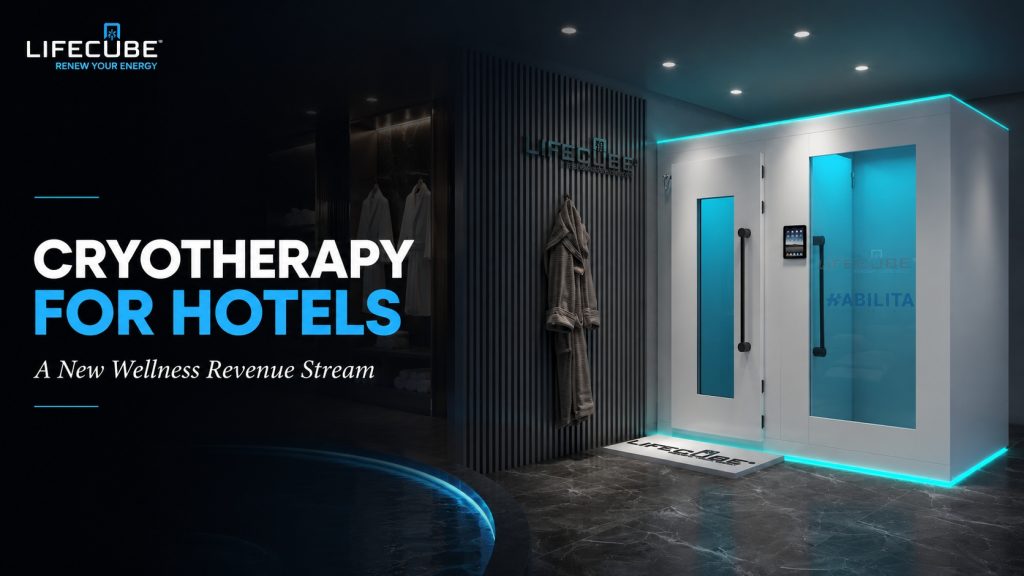
Guests no longer choose a hotel for the bed alone. They choose it for the experience, and increasingly, that experience includes recovery. This is exactly why cryotherapy for hotels has become one of the fastest-growing additions to luxury spa menus across the UK and Europe.
In this guide, you’ll learn what whole-body cryotherapy involves, why it suits hotels and spas so well, what it typically costs to install, and how forward-thinking operators are turning a single chamber into a genuine, repeatable revenue line rather than a one-off novelty.
Whole-body cryotherapy involves a short session, usually two to three minutes, inside a chamber that exposes the body to extremely low temperatures. Modern electric cryotherapy machine systems, such as LifeCube’s, rely on refrigerant-based cooling rather than liquid nitrogen. As a result, chamber temperatures drop precisely to between -80°C and -110°C without any gas supply on site.
For a hotel or spa, this distinction matters in practice. Consider the following:
No nitrogen deliveries or storage. Electric chambers plug into a standard power supply. Therefore, there are no gas cylinders, no ventilation risk, and no specialist handling procedures for staff to manage.
A short, repeatable treatment. Sessions last only a few minutes, so they slot easily between spa treatments, gym visits, or pool time without disrupting a guest’s schedule.
A striking visual centrepiece. With ice-blue lighting and a sleek design, a cryotherapy chamber for hotels looks as good as it performs, which matters just as much in a five-star lobby as functionality does.
That said, cryotherapy is best positioned as a wellness and recovery experience rather than a guaranteed medical treatment. Any guest-facing claims should reflect that honestly.
Wellness tourism has become one of the fastest-growing segments in global travel. Guests increasingly choose properties based on the recovery and self-care amenities on offer, not just the room itself. Sauna, cold plunge, compression therapy, and hotel cryotherapy are all moving from niche fitness extras to expected features in premium hospitality.
For operators, this shift creates a clear opening. Guests are actively searching for properties that offer something beyond a standard spa menu, and few treatments combine visual impact with genuine recovery credentials the way cryotherapy does.
Cryotherapy chambers tend to perform best in the following settings: luxury and boutique hotels with an existing spa offering, resort properties targeting sports teams and golf groups, city hotels near business districts appealing to time-poor executives, and health or longevity retreats where recovery is the central selling point.
The most successful hotel and spa operators avoid treating cryotherapy as a free perk buried inside a package. Instead, they position it as a standalone, bookable, revenue-generating service in its own right.
Session-Based Pricing
Many properties charge per session, much like any other spa treatment, with pricing that reflects the premium nature of the experience. Consequently, this creates a direct return on the equipment rather than folding the cost quietly into room rates.
Package and Membership Models
Cryotherapy pairs naturally with existing wellness offerings. For example, a “Recovery Package” might combine a session with a massage and pool access, while a membership model could suit local guests who want repeat weekly visits without booking a room each time.
Guest Retention and Loyalty
Recovery-focused treatments tend to bring guests back. In fact, a guest who has a strong first cryotherapy experience is more likely to book a spa day, a return stay, or refer the property to others. As a result, the treatment supports long-term brand value that extends well beyond the session itself.
One of the first questions hotel and spa operators raise is cryotherapy machine cost, and it’s a fair one, since this represents a meaningful capital investment. Several factors influence the final figure:
Because pricing varies by model, configuration, and site requirements, we’d recommend a tailored quote rather than relying on a generic figure. Our team can walk you through realistic numbers directly.
Not every chamber is designed with hospitality in mind. When comparing options, hotel and spa operators should weigh up design and brand fit, temperature consistency, operator training, and lead times.
Design and Brand Fit
A chamber inside a five-star spa needs to look like it belongs there. Look for suppliers offering customisable finishes, colours, and branding options, so the equipment integrates with your existing interior rather than resembling imported gym equipment.
Temperature Consistency
Guest experience depends on predictable, repeatable sessions. An electric cryotherapy machine with precise digital temperature control reduces variability between sessions, particularly compared with less consistent nitrogen-based setups.
Operator Training and Aftercare
Staff need to feel confident running sessions safely and explaining the experience to guests. Ask any supplier what training, onboarding, and ongoing technical support is included, not just at installation, but for the life of the equipment.
Lead Times and Support
Hotel refurbishment and spa launch schedules are often planned months in advance. Confirm lead times, installation windows, and available support before committing, since delays can affect a wider launch timeline.
A quick reference for matching the right LifeCube chamber to your facility, footprint and guest volume.
| Feature | Single-Room ChamberCompact Premium | Double-Room ChamberCommercial Revenue | High-Capacity ChamberFlagship · Elite |
|---|---|---|---|
| Best suited to | Boutique hotels, private spas | Premium hotels, luxury spas | Resorts, high-footfall wellness centres |
| Footprint | Compact | Moderate | Larger |
| Guest throughput | Lower | Higher | Highest |
| Typical positioning | Entry-level spa amenity | Commercial revenue driver | Flagship centrepiece |
Once installed, the chamber needs active promotion rather than a quiet listing on a spa menu. A few approaches tend to work well:
Social content showing the chamber itself. The ice-blue lit interior photographs well and performs strongly on Instagram and TikTok.
Bundling with existing treatments. Position cryotherapy as part of a recovery ritual alongside sauna, massage, or pool access.
Staff recommendations at check-in or spa booking. A well-briefed concierge or spa receptionist can meaningfully lift uptake simply by mentioning it as an option.
Local marketing beyond hotel guests. Many hotels open sessions to non-resident local clients, turning the chamber into a standalone local revenue stream.
Meanwhile, it’s worth reviewing uptake data every quarter to see which packages and price points resonate most with your guest profile.
Cryotherapy for hotels is no longer a niche fitness extra; it’s becoming a genuine differentiator for properties that want to stand out in a crowded wellness market. Done well, it isn’t just an amenity, but a repeatable revenue stream that keeps guests coming back for more.
If you’re exploring cryotherapy for hotels or comparing cryotherapy machine cost across suppliers, LifeCube’s team can talk you through the right chamber for your space, realistic budget expectations, and what installation and training would look like for your property.
Get in touch with LifeCube today to discuss the right electric cryotherapy solution for your hotel or spa.
Woke up two days after leg day and could barely sit down? That’s DOMS – delayed-onset muscle soreness – and it’s the reason so many athletes and gym-goers ask their physio the same question: does cryotherapy for muscle soreness actually work, or is it just cold air and hype? The short answer is yes, with conditions. Whole-body cryotherapy can ease muscle soreness and speed up how quickly you feel ready to train again, but it isn’t a magic reset button, and the research is more nuanced than most marketing suggests.
DOMS shows up 12 to 48 hours after unfamiliar or intense exercise, peaking around day two. It’s caused by microscopic damage to muscle fibres, which triggers inflammation and a build-up of metabolic byproducts like creatine kinase. That’s why your legs feel stiff and tender for days after a first hard sprint session, not immediately after you finish it.
Physios treat DOMS as a recovery problem, not an injury. The goal isn’t to eliminate soreness entirely; it’s to reduce how much it interferes with training load, sleep, and daily movement.
Yes, whole-body cryotherapy helps muscle soreness. A Cochrane review looking specifically at whole-body cryotherapy for exercise-induced muscle soreness found it can reduce self-reported soreness compared to doing nothing, especially when used within a few hours of hard training. A more recent systematic review comparing different cold-based recovery methods (whole-body cryotherapy, cold water immersion, contrast water therapy, and local cold packs) found they produce broadly similar reductions in soreness and creatine kinase levels, though timing and duration of exposure matter more than which method you pick.
Where the evidence gets more cautious is functional recovery – things like jump height or sprint speed. Several trials note that cryotherapy helps people feel less sore without necessarily restoring full muscle performance any faster than rest alone. In other words: cryotherapy is genuinely useful for comfort and perceived recovery, but it’s one tool in a recovery stack, not a replacement for sleep, nutrition, and load management.
Talk to sports physios who work with cryo chambers day-to-day and you’ll hear a consistent theme about cryotherapy for muscle soreness: it earns its place when it’s used with intent, not as a blanket treatment for every twinge.
Where physios see it working well:
Where physios are more cautious:
| Method | Typical Duration | Soreness Relief | Practicality for Clubs | Best For |
| Whole-body cryotherapy (chamber) | 2-3 minutes | Strong, fast | High – quick turnaround between athletes | High-volume clubs |
| Cold water immersion (ice bath) | 10-15 minutes | Strong | Moderate – slower, needs more space and cleaning | Home recovery |
Local cold packs | 15-20 minutes | Moderate | High but localised only | Localised injury |
For sports clubs and physio clinics running multiple athletes through recovery in a single session, the shorter exposure time of a chamber like LifeCube’s electric cryo units is often the practical deciding factor, not just the physiological effect.
For clubs comparing cryotherapy machine cost against ice baths or contrast therapy, the calculation isn’t just upfront price – it’s turnaround time per athlete and staffing hours saved across a season.
Most of the research supporting soreness reduction uses cryotherapy within one to three hours after training or competition, sometimes repeated over the following 24 to 48 hours during a heavy block. Waiting several days rarely produces the same benefit, since by then the inflammatory response that cryotherapy targets has largely settled on its own.
Not every cryotherapy session delivers the same result, and the research is fairly specific about why.
Three variables do most of the work:
Temperature and duration. Studies on whole-body cryotherapy generally use exposures between -110°C and -140°C, lasting two to three minutes. Go warmer or shorter, and the soreness-reducing effect drops off; going colder or longer doesn’t necessarily add extra benefit, and it increases discomfort and risk for little gain.
Timing relative to exercise. As covered above, sessions taken soon after training consistently outperform delayed ones. A physio programming cryotherapy the morning after a match, rather than immediately post-match, is working against the biology rather than with it.
Consistency across a training block. Single sessions help, but the strongest soreness reductions in the research come from repeated exposure across 24, 48, and 72 hours following intense exercise – not a one-and-done treatment squeezed in whenever the schedule allows.
For clinics and clubs weighing up equipment, this is where the practical case matters as much as the physiological one. A chamber that reaches consistent target temperatures quickly, session after session, is doing more for outcomes than any marginal difference in how cold it technically goes.
For localised issues rather than full-body soreness, a targeted cryotherapy machine can deliver similar relief to a specific muscle group without a full chamber session.
Physios are consistent on one point: cryotherapy works best as part of a stack, not a stand-alone habit. A typical recovery sequence after a hard session might include cryotherapy for immediate soreness relief, followed by light active movement and adequate protein intake.
Sleep remains the single biggest driver of muscle repair, so prioritising it that night matters as much as the cryo session itself. Clubs that treat the cryo chamber as the entire recovery strategy, rather than one component of it, tend to see athletes plateau on perceived benefit faster than those who build it into a wider protocol.
This is also why physios are cautious about over-promising to athletes. Framing cryotherapy honestly – as a tool that reduces discomfort and supports faster return to training, rather than a cure for soreness or a shortcut around proper load management
Cryotherapy for muscle soreness has real evidence behind it, not just cold-air hype. Used within a few hours of hard training, it can meaningfully reduce how sore athletes feel and help them get back to full training sooner – though it works best as part of a wider recovery plan, not a stand-alone fix. For sports clubs and physio clinics deciding whether a cryo chamber is worth the investment, the practical case is as strong as the physiological one: short sessions, fast turnaround between athletes, and consistent results your team can plan around.– tends to produce better buy-in and more consistent use over a season.
No. It reduces how sore you feel and can shorten the window before you’re comfortable training again, but it doesn’t undo the underlying muscle fibre damage. Rest, protein intake, and sleep still do most of the repair work.
Many athletes report feeling less sore after a single session, but physios typically recommend it as part of a repeated recovery routine during heavy training blocks rather than a one-off treatment.
Whole-body cryotherapy is generally considered safe for otherwise healthy adults managing normal exercise soreness. People with cardiovascular conditions, cold sensitivities, or recent injuries should get clearance from a physio or doctor first.
It can achieve similar soreness reduction in far less time – typically 2-3 minutes versus 10-15 minutes for cold water immersion – which is why many clinics and clubs are switching to chambers for practicality rather than superior results alone.
It’s best evidenced for soreness following unfamiliar or high-intensity exercise, such as eccentric loading, sprint sessions, or match play. For light, routine training, soreness is usually mild enough that cryotherapy adds little extra benefit.
Both reduce soreness by similar amounts, but cryotherapy does it in 2-3 minutes versus 10-15 minutes for an ice bath, making it more practical for clubs recovering multiple athletes at once.
Match day takes a toll on the body. Sprinting, tackling, and changing direction at speed all add up fast.
The result is inflammation, muscle damage, and soreness that can linger for days. This is exactly why football recovery cryotherapy has become part of the standard post-match routine at clubs, gyms, and wellness facilities across the UK.
Whole-body cryotherapy has moved well beyond a niche recovery gimmick. Premier League clubs use it. Physiotherapy clinics use it. Increasingly, gyms and spas are adding it too.
But does it actually work? How should it be used? And is it worth the investment for a facility owner? This guide answers all three, using real research, real football examples, and practical protocols you can apply today.
Cryotherapy is the use of extreme cold, typically between -85°C and -110°C, to trigger a rapid physiological response in the body.
For footballers, that response is what makes it useful. Cold exposure causes blood vessels to constrict, reduces inflammation, and can ease the sensation of muscle soreness after intense exercise.
Players use cryotherapy for footballers primarily to manage the after-effects of match play and heavy training. That means less muscle soreness, less joint stiffness, and less fatigue building up over a demanding season.
Not all cold therapy is the same. The differences matter for anyone deciding what to use or invest in.
Each method has a place. WBC is generally preferred for convenience, speed, and player comfort. CWI still holds the longest track record of football-specific research.
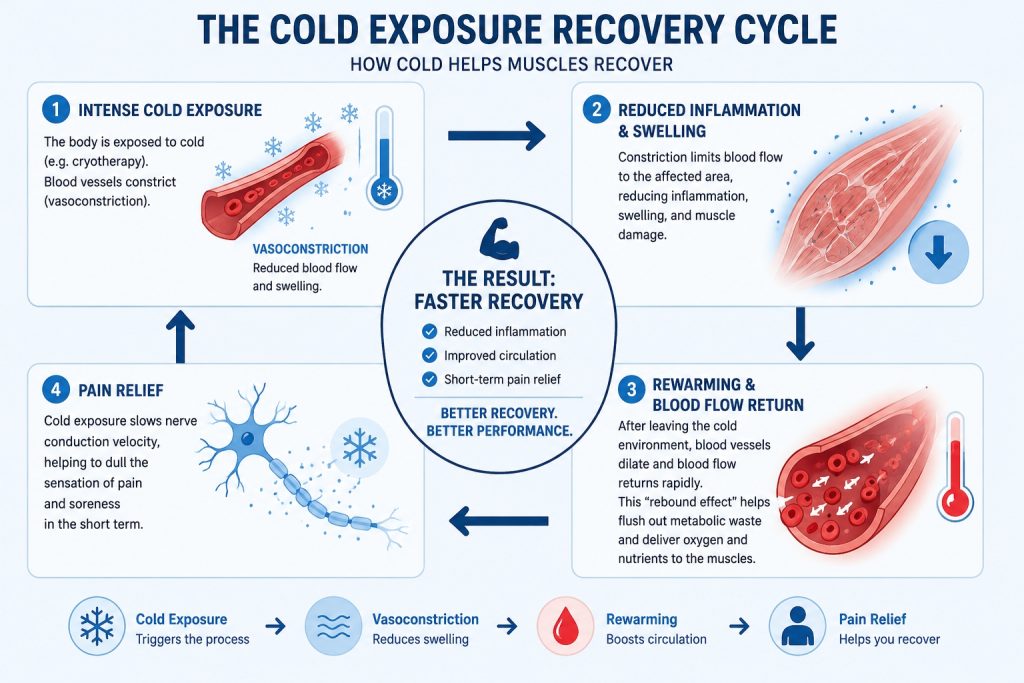
When the body meets intense cold, blood vessels constrict. This is called vasoconstriction, and it reduces blood flow and swelling around damaged tissue.
Once the player leaves the cold environment, blood flow returns rapidly. This rebound effect is thought to help flush out metabolic waste products and deliver oxygen and nutrients back to the muscles.
Cold exposure is also believed to slow nerve conduction velocity. In simple terms, this can dull the sensation of pain and soreness in the short term.
Together, these three effects – reduced inflammation, improved circulation on rewarming, and short-term pain relief – explain why football recovery cryotherapy has become so popular at every level of the game.
This is the question every gym owner, physio, and player should ask before committing to a protocol.
The honest answer: it depends on what you’re measuring.
A 2026 systematic review published in the German Journal of Sports Medicine examined the research on cryotherapy and compression therapy for football players specifically.
It found that cold water immersion has by far the largest evidence base in football recovery research. Whole-body cryotherapy, by contrast, has been studied far less often in football-specific populations, even though it is widely used at professional level.
That doesn’t mean WBC doesn’t work. It means the research hasn’t caught up with how popular it has become in elite sport.
Delayed onset muscle soreness, or DOMS, is one of the most consistent outcomes measured across cryotherapy studies.
Several trials on footballers and other team-sport athletes have recorded measurable reductions in perceived soreness within 24–72 hours of intense exercise, compared with passive recovery alone.
Researchers also track whether players recover their physical output faster, not just how sore they feel.
Some studies on soccer and rugby players show improved recovery of sprint times and jump height (measured via countermovement jump tests) after cryotherapy, particularly in the first 24–48 hours post-match. Strength recovery results are more mixed, with several studies showing little difference compared to standard recovery methods.
It would be misleading to ignore this: some researchers believe part of cryotherapy’s benefit comes from the psychological effect of doing something proactive for recovery, not from physiological change alone.
That doesn’t make it worthless. Professional sport is built on marginal gains that combine physical and mental benefits. But it’s worth being transparent with clients rather than overselling cryotherapy as a guaranteed fix.
Which Premier League and Football Clubs Use Cryotherapy
Cryotherapy’s popularity in football didn’t come from marketing. It came from players and clubs adopting it and talking about the results.
Cristiano Ronaldo is one of the most well-known advocates of cryotherapy in football. He has invested in a personal cryotherapy chamber, reportedly using it as part of his recovery and longevity routine.
Many credit this habit as one reason he has maintained elite physical condition well into his late 30s.
One of the most cited examples in English football is Leicester City’s 2015–16 Premier League title-winning season.
Media coverage at the time pointed to the club’s recovery methods, including cryotherapy, as a contributing factor. Their squad avoided major injuries and recovered quickly between matches during an unexpected title-winning campaign.
Cryotherapy use has spread well beyond the Premier League’s top clubs. EFL and non-league clubs, along with private clinics working with professional players, now use it as a standard part of recovery and rehabilitation.
Optimal Cryotherapy Protocol for Football Recovery
Getting the protocol right matters. Too short, and players won’t get the intended benefit. Too long or too cold without supervision, and it becomes a safety issue.
Most whole-body cryotherapy sessions for athletes run between -85°C and -110°C for 2 to 3 minutes.
Sessions are always supervised. Players wear protective gloves, socks, and footwear to protect extremities.
Cryotherapy is typically used within a few hours of a match or heavy training session, when inflammation and muscle damage are at their peak. Some clubs also use it the following day as part of active recovery.
Table – Protocol Guidelines by Recovery Method
| Method | Typical Temperature | Duration | Best Timing |
| Whole-Body Cryotherapy | -85°C to -110°C | 2–3 minutes | Within hours post-match |
| Cold Water Immersion | 10°C to 15°C | 10–15 minutes | Within 1 hour post-match |
| Localized Cryotherapy | -30°C to -60°C | 5–10 minutes | As needed for specific injury |
Cryotherapy is generally safe when properly supervised. But it isn’t suitable for everyone.
People with cardiovascular conditions, uncontrolled high blood pressure, cold hypersensitivity conditions such as Raynaud’s disease, open wounds, or who are pregnant should avoid whole-body cryotherapy unless cleared by a medical professional.
Sessions should always be time-limited and supervised by trained staff, with protective clothing provided for hands and feet.
Cryotherapy isn’t just for professional squads anymore.
Amateur and semi-professional players training multiple times a week, especially those juggling football alongside a full-time job, increasingly use cryotherapy sessions at local gyms and wellness centres. It helps them manage soreness and stay consistent with training.
As more gyms and spas add a cryotherapy unit, access has become far easier for everyday players, not just those at academy or professional level.
For gym, spa, and wellness business owners, cryotherapy isn’t just a recovery tool for athletes. It’s a genuine revenue opportunity.
Recovery and wellness services are among the fastest-growing add-ons in the UK fitness industry. A cryo chamber gives a facility something to offer that most local competitors won’t have.
Cryotherapy chamber cost varies depending on chamber type, size, and whether it runs on nitrogen or electricity.
Electric chambers tend to carry a higher upfront cost. However, they typically bring significantly lower running costs over time, since there’s no ongoing nitrogen supply to manage.
A single cryotherapy chamber can serve multiple client sessions per hour. That makes it one of the more efficient wellness services a gym or spa can offer per square metre.
Facilities typically position it as a standalone paid service, a membership add-on, or part of a broader recovery package alongside massage, compression therapy, or infrared sauna.
LifeCube chambers are already in use by professional football clubs and elite sporting organisations across Europe, including partnerships with clubs such as AC Milan, Galatasaray, Sparta Prague, and Trabzonspor.
These installations reflect the same demand now reaching UK gyms, spas, and wellness centres: a reliable, electric, nitrogen-free cryotherapy unit that fits into a professional recovery setting without the operational overhead of traditional nitrogen systems. For localised injury work alongside whole-body sessions, many facilities also pair their chamber with a targeted cryotherapy machine to treat specific muscle groups or joints.
Football recovery cryotherapy isn’t a magic fix. But the evidence and real-world adoption both point the same way.
Used correctly, it’s a genuinely useful tool for managing soreness, supporting faster recovery between matches, and keeping players performing consistently across a demanding season.
Whether you’re a player looking to recover better, or a gym, spa, or club owner considering a cryotherapy unit for your facility, the key is understanding the protocols, the evidence, and the practical realities of running one – not just the hype.
If you’re a gym, spa, or club owner exploring whole-body cryotherapy for your players or members, LifeCube offers electric, nitrogen-free cryo chambers built for professional and commercial use.
Get in touch to discuss which cryotherapy unit or targeted cryotherapy machine fits your space and your business.
It’s primarily used to reduce muscle soreness, manage inflammation, and speed up recovery time between matches and training sessions.
Sessions typically last 2 to 3 minutes, supervised by trained staff, at temperatures between -85°C and -110°C.
Neither is definitively better. Whole-body cryotherapy is faster and more comfortable, while cold water immersion has more football-specific research behind it. Many clubs use both, depending on the situation.
Cryotherapy chamber cost varies by type and size. Electric models generally carry a higher upfront cost but lower running costs than nitrogen-based systems over time.
Several top-flight and EFL clubs use cryotherapy as part of their recovery programmes. Leicester City’s 2015–16 title-winning season remains one of the most widely referenced examples.
A pulled hamstring can sideline you for weeks, whether you’re a weekend footballer or a marathon trainer. Cold therapy has long been the go-to first aid response, but a newer approach is gaining ground in clinics across the UK: cryotherapy hamstring injury treatment using whole-body or localised cold exposure.
In this article, we’ll look at how cryotherapy works for hamstring injuries, what the evidence actually says, and how physiotherapy clinics are using a cryotherapy unit or targeted cryotherapy machine to support faster, safer recovery. You’ll also learn practical tips on timing, technique, and what to expect during rehab.
The hamstrings are a group of three muscles running along the back of your thigh. They’re heavily involved in sprinting, jumping, and sudden changes of direction, which is why they’re one of the most commonly strained muscle groups in sport.
Injuries range from a mild strain (Grade 1) to a partial tear (Grade 2) or complete rupture (Grade 3). Most recreational injuries fall into the first two categories and typically need anywhere from two to eight weeks of structured rehab.
Common causes include inadequate warm-up, muscle fatigue, poor flexibility, and returning to activity too soon after a previous strain. Understanding the cause matters because it shapes the recovery plan your physiotherapist recommends.
Cold therapy has been used for soft tissue injuries for decades, largely through ice packs and cold compression. Cryotherapy hamstring injury treatment takes this further by exposing the body, or a specific area, to much lower temperatures for a short, controlled burst.
The theory is straightforward. Cold exposure narrows blood vessels (vasoconstriction), which can reduce swelling and slow nerve conduction, dulling pain signals. When the body warms back up, blood flow increases again, potentially helping flush out inflammatory byproducts.
For hamstring injuries specifically, this cycle may help manage the early swelling and discomfort that comes with a strain, while also supporting the muscle’s transition into the repair phase.
There are two main approaches worth understanding. Whole-body cryotherapy exposes the entire body to extreme cold for a short session, typically two to three minutes, and is often used for general recovery and inflammation management.
Localised cryotherapy, delivered through a targeted cryotherapy machine, focuses cold air directly on the injured area. This is often preferred for hamstring strains because it allows more precise, sustained cooling exactly where the muscle damage has occurred.
Many UK physiotherapy clinics now offer both options, choosing the method based on injury severity, the athlete’s training schedule, and what’s practical for the treatment room.
Research into cryotherapy for muscle injuries is still developing, and results are mixed rather than definitive. Some studies suggest cold exposure can reduce perceived pain and swelling in the first 48 to 72 hours after a strain.
Other research questions whether cryotherapy meaningfully speeds up the underlying tissue repair process, since some inflammation is actually part of healing. This is an active area of debate among sports medicine professionals.
What most clinicians agree on is that cryotherapy can be a useful tool for symptom management, particularly pain relief and reduced swelling, which in turn may allow patients to engage more comfortably with active rehab exercises sooner.
It’s worth being realistic here: cryotherapy isn’t a substitute for proper rehabilitation. It works best as one part of a broader plan that includes stretching, strengthening, and a gradual return to activity.
Timing matters. In the acute phase, typically the first 24 to 48 hours after injury, cold therapy is most commonly recommended to manage swelling and pain, often alongside rest, compression, and elevation.
As you move into the subacute phase, some clinics introduce sessions using a cryotherapy unit as part of a broader recovery protocol, particularly for athletes managing training loads around competition schedules.
A physiotherapist will usually assess the grade of your strain before recommending a specific cryotherapy schedule, since a Grade 1 strain and a Grade 3 tear call for very different approaches.
Not every hamstring twinge needs a clinic visit, but certain signs warrant professional assessment before starting any cold therapy programme. These include sudden sharp pain during activity, visible bruising, or difficulty bearing weight.
A physiotherapist can confirm the grade of injury, rule out a full tear, and build a tailored rehab plan. Attempting to self-treat a more serious tear with cryotherapy alone can delay appropriate care.
If you visit a clinic offering localised treatment, sessions are typically short, often three to ten minutes, using a targeted cryotherapy machine aimed directly at the back of the thigh. You’ll usually remain clothed in light, dry clothing over the treatment area.
Whole-body sessions in a cryotherapy unit are even shorter, generally under three minutes, and involve standing in a chamber cooled with refrigerated air while wearing minimal clothing, gloves, and foot coverings for safety.
Most people describe the sensation as an intense but bearable cold, similar to stepping into freezing outdoor air, rather than uncomfortable pain. Clinics monitor session length and temperature closely to keep treatment safe.
Cryotherapy works best as part of a layered recovery approach rather than a standalone fix. Most UK physiotherapy clinics pair cold therapy with hands-on techniques, guided stretching, and progressive strengthening exercises.
In the early stages, gentle isometric exercises are often introduced once acute pain settles, helping maintain muscle activation without overloading the healing tissue. Cryotherapy sessions may be scheduled either before or after these exercises, depending on clinical judgement.
As rehab progresses, the focus shifts toward eccentric strengthening, which research consistently links to reduced re-injury rates in hamstring strains. Cold therapy can continue to play a supporting role in managing soreness during this more demanding phase.
Cryotherapy is generally considered safe when administered by trained professionals, but it’s not suitable for everyone. People with certain cardiovascular conditions, uncontrolled high blood pressure, or cold sensitivity disorders like Raynaud’s should consult a doctor first.
Pregnant women and anyone with open wounds near the treatment area are typically advised to avoid sessions. Reputable clinics will always run a health screening before your first appointment.
Overuse is another consideration. More cold exposure isn’t automatically better, and following a clinician’s recommended frequency helps avoid skin irritation or excessive numbness in the treated area.
Cold therapy remains one of the most accessible early tools for managing a hamstring strain, and modern cryotherapy takes this a step further with more controlled, targeted cooling options. Used alongside proper rehab exercises, it may help you manage pain and get back to movement more comfortably.
The evidence isn’t conclusive that cryotherapy dramatically speeds up tissue healing itself, but its role in symptom management makes it a reasonable addition to a well-rounded recovery plan.
If you’re dealing with a hamstring injury and want to explore whether a cryotherapy unit or targeted cryotherapy machine could support your rehab, speak with a qualified physiotherapist about incorporating cold therapy into your treatment plan. A proper assessment is always the safest first step toward a full recovery.
No. Cryotherapy can help manage pain and swelling, but a torn hamstring still needs a structured rehab programme involving stretching and progressive strengthening to heal properly.
Cold therapy is often used within the first 24 to 48 hours, but it’s best to get a professional assessment first to confirm the injury grade and rule out a serious tear.
Not necessarily. Localised treatment using a targeted cryotherapy machine allows more precise, sustained cooling of the injured area, while whole-body sessions are often used for general recovery support.
This varies by injury grade and clinic protocol, but many patients attend two to three sessions per week during the early rehab phase, tapering off as symptoms improve.
Sessions feel intensely cold but shouldn’t be painful. Clinics carefully control exposure time and temperature to keep treatment within a safe, tolerable range.
Patients walk into physio clinics every day looking for one thing: relief that actually lasts. Sore joints, inflamed muscles, and slow-healing injuries can make daily life exhausting. This is where a cold therapy clinic steps in, offering a science-backed approach that many practices are now building their treatment plans around.
In this guide, you’ll learn what this type of clinic actually does, how the treatment works on the body, and why more UK physio practices are adding it to their services. We’ll also cover practical considerations, from patient suitability to common questions people ask before trying it.
A cold therapy clinic is a facility that uses controlled cold exposure to treat pain, inflammation, and slow recovery from injury or surgery. Treatments range from localised ice application to full-body cryotherapy chambers. The goal is always the same: trigger the body’s natural healing response through temperature control.
Unlike a simple ice pack at home, clinical cold therapy is measured, monitored, and tailored to each patient. Practitioners assess the injury, the stage of healing, and the patient’s tolerance before deciding on intensity and duration. This precision is what separates a professional clinical setting from at-home remedies.
When skin temperature drops rapidly, blood vessels constrict, a process called vasoconstriction. This reduces blood flow to the treated area, which in turn limits swelling and numbs pain receptors. Once the treatment ends, blood vessels widen again, flushing the area with oxygen-rich blood.
This cycle of constriction and rewarming is thought to reduce inflammatory markers and support tissue repair. Many physios pair cold sessions with movement-based rehab to make the most of this window of reduced pain and improved circulation.
Cold therapy isn’t a one-size-fits-all fix, but its benefits are well documented across sports medicine and rehabilitation practice. Below are the outcomes clinics most commonly report.
Acute injuries like sprains, strains, and post-surgical swelling respond well to early cold exposure. Reducing swelling in the first 48 hours can shorten the overall recovery timeline. This is often the first reason patients are referred to a specialist clinic after an injury, and it remains one of the most researched uses of cold therapy in physiotherapy today.
Athletes and active patients use cold therapy to manage delayed onset muscle soreness (DOMS) after intense training. Cooling the muscles helps clear metabolic waste products that build up during exercise. Many patients report feeling less stiffness within 24 hours of treatment.
For patients who want to avoid or reduce reliance on painkillers, cold therapy offers a drug-free alternative. The numbing effect can be enough to allow patients to move more comfortably during rehab exercises. This makes it a useful tool for chronic pain conditions as well as acute injuries.
Whole-body cryotherapy sessions are increasingly linked to improved mood and reduced stress, likely due to the release of endorphins during cold exposure. While this isn’t the primary reason patients book a session, it’s a welcome secondary benefit many report, and it can make regular visits feel less like a chore and more like part of a wellbeing routine.
Cold therapy isn’t limited to sports injuries. Clinics use it across a wide range of conditions, and understanding these applications helps patients know what to expect.
Following procedures like knee replacements or ligament repairs, controlled cold exposure helps manage post-operative swelling. It’s often combined with compression therapy for a more complete recovery protocol. Surgeons and physios frequently coordinate on timing these sessions correctly.
Patients with arthritis or long-term joint pain often find cold therapy helps manage flare-ups. Regular sessions can become part of an ongoing management plan alongside strength training. This is particularly common in older patient populations.
From ankle sprains to muscle tears, cold therapy is a first-line treatment in sports physiotherapy. Clinics near training grounds or sports clubs often see a steady stream of athletes using these services. Quick access to treatment can make a real difference to return-to-play timelines.
For physio practice owners considering adding these services, the decision usually comes down to equipment and space. A local cryotherapy chamber or targeted cooling device requires proper ventilation, trained staff, and clear safety protocols.
Many clinics start by researching a cryotherapy machine for sale to compare features like temperature range, chamber size, and safety certifications. It’s worth comparing several suppliers before committing, since equipment quality varies significantly across the market.
Budget is often the biggest factor in this decision. Clinics researching cryotherapy machine cost will find prices vary widely depending on whether they choose localised cooling devices or full-body cryo chambers. Ongoing costs like maintenance, nitrogen or electric cooling supply, and staff training should also factor into the budget.
Smaller practices sometimes start with portable cold therapy units before scaling up to a dedicated treatment space. This phased approach lets clinics test patient demand without a large upfront commitment.
Walking into a cold therapy clinic for the first time can feel a little intimidating, especially if you’ve never tried anything beyond a home ice pack. Most clinics start with a short consultation to understand your injury history, current symptoms, and any medical conditions that might affect treatment. This helps the practitioner choose the right method and intensity for you.
After the assessment, you’ll usually be guided through the treatment area and shown exactly what to expect, including how cold the session will feel and how long it will last. Staff typically stay nearby throughout, checking in on comfort levels and adjusting settings if needed. Many UK clinics also provide aftercare advice, such as staying hydrated and avoiding strenuous activity immediately after a session.
A single session can range from a few minutes for whole-body cryotherapy to twenty minutes or more for localised cooling treatments. Frequency depends entirely on your condition and goals, and your physiotherapist will usually recommend a short course of sessions before reviewing progress. Tracking pain levels and mobility between visits helps clinics fine-tune the treatment plan over time.
Cold therapy isn’t suitable for everyone, and a responsible clinic will always screen patients first. People with Raynaud’s disease, certain cardiovascular conditions, or cold sensitivity should be assessed carefully before treatment. Pregnant patients and those with open wounds near the treatment area also need special consideration.
A good practitioner will always take a full medical history before recommending any cold therapy session. This screening step protects patients and helps clinics maintain a strong safety record.
Cold therapy has moved well beyond the simple ice pack, becoming a structured, evidence-informed part of modern physiotherapy. Whether it’s helping an athlete recover faster or supporting a patient through post-surgical rehab, a well-run cold therapy clinic offers real, measurable benefits.
If you’re a patient curious about whether cold therapy suits your recovery goals, speak with your physiotherapist about a tailored plan. If you’re a clinic owner exploring new services, take time to compare equipment options and understand the full cost picture before investing.
Ready to explore cold therapy for your practice or your recovery journey? Get in touch with a qualified physiotherapy clinic near you to discuss the right plan for your needs.
This type of clinic typically treats swelling, muscle soreness, joint pain, and post-surgical inflammation. Sessions are tailored to the injury type and patient tolerance.
Most patients describe an intense cold sensation rather than pain, which fades once the session ends. Sessions are usually short, often between 2 and 10 minutes depending on the method used.
This depends on the condition being treated. Acute injuries may need daily sessions in the first few days, while chronic conditions might only need weekly maintenance sessions.
Yes, cold therapy is commonly paired with manual therapy, exercise rehabilitation, and compression techniques. Your physio will structure a plan based on your specific recovery goals.
Coverage varies by provider and treatment type. It’s worth checking with your private health insurer or asking your clinic directly about billing codes for cold therapy sessions.
Patient satisfaction is no longer just about treatment quality – it is about the full recovery experience. Clinics that invest in the right physio recovery equipment are seeing faster results, stronger retention, and better word-of-mouth referrals.
Today’s patients expect more than a standard session. They want to feel supported, see visible progress, and trust that their clinic uses modern, effective tools. This guide covers exactly how better recovery technology helps physio clinics deliver on those expectations.
Slow recovery is one of the most common reasons patients switch clinics. When progress stalls, patients lose confidence – and often blame the clinic, not the injury.
Providing advanced physio recovery equipment creates a tangible sense of progress. Patients feel the difference, which builds trust and keeps them coming back.
Recovery support also reduces the burden on therapists. When equipment assists the process, therapists can focus on technique and connection – the parts patients value most.
Clinics that offer comprehensive recovery solutions consistently outperform competitors on patient satisfaction surveys and Google reviews alike.
Cold therapy remains one of the most clinically proven tools in sports and physio recovery. It reduces inflammation, controls pain, and accelerates tissue repair after injury or intensive treatment.
Modern cryotherapy machines take this far beyond an ice pack. Whole-body cryo chambers and localised cryo units deliver precise, consistent temperatures that manual cold treatment simply cannot replicate.
If you are researching a cryotherapy machine for sale, you will find options ranging from compact clinic units to full walk-in chambers – each suited to different patient volumes and treatment goals.
Understanding cryotherapy machine cost early helps clinics plan budgets realistically and calculate return on investment before committing.
Cryo EMS (Electro Muscle Stimulation) devices combine cold therapy with electrical muscle activation. This dual approach both reduces pain and actively strengthens surrounding muscle tissue.
For post-surgical patients or those recovering from sports injuries, this combination significantly shortens the overall rehabilitation timeline. Patients appreciate faster, measurable outcomes from each session.
These units are compact, easy to use, and work well in both dedicated recovery suites and standard treatment rooms. They also create an additional premium service tier that supports higher session pricing.
CoolSkin technology uses controlled cooling to support skin and soft tissue recovery. It is particularly effective for patients dealing with localised swelling, post-procedure sensitivity, or superficial inflammation.
Adding CoolSkin to your clinic’s recovery offering broadens your patient demographic. It appeals equally to sports recovery clients and those attending for wellness or aesthetic rehabilitation.
This type of equipment also differentiates your clinic in a competitive market. Patients seeking comprehensive care will choose clinics that offer layered treatment options over those with a single-modality approach.
One of the most direct benefits of quality physio recovery equipment is faster inter-session recovery. When patients recover more completely between appointments, they can handle more intensive therapy sooner.
This creates a positive cycle: better recovery leads to stronger sessions, which leads to faster overall progress, which leads to satisfied patients who refer others. The clinical and commercial benefits are closely linked.
Shorter recovery windows also allow clinics to schedule more frequently without risking patient setbacks. This directly improves both outcomes and clinic revenue per patient.
Many patients attending physio clinics are actively trying to reduce their reliance on pain medication. Equipment-led pain management – particularly cryotherapy – supports this goal directly.
Controlled cold therapy lowers pain perception at the nerve level. Patients who feel less pain during recovery tend to engage more confidently with their therapy programme overall.
This positions your clinic as a holistic, patient-centred practice – a powerful differentiator for patients who are cautious about pharmaceutical approaches to pain relief.
Before purchasing physio recovery equipment, assess your available floor space and patient flow patterns. A cryo chamber, for example, requires a dedicated area with appropriate ventilation and safety clearances.
Smaller clinics often start with portable or compact units and scale up as patient demand grows. This approach manages capital outlay while still elevating the quality of care you provide.
Planning equipment placement around your existing workflow avoids disruption and ensures a smooth patient experience from the moment they arrive to the moment they leave.
The upfront cryotherapy machine cost can seem significant, but it should always be evaluated against revenue potential. A single cryotherapy session typically commands a premium price point in the UK market.
Most clinics recover equipment costs within 12 to 18 months when cryotherapy is offered as a standalone or add-on service. The margin per session is considerably higher than standard manual therapy.
Reviewing a cryotherapy machine for sale from a specialist supplier also gives you access to financing options, maintenance packages, and clinical training – all of which protect your investment long-term.
Equipment is only as effective as the team using it. Investing in staff training ensures every patient receives a consistent, high-quality experience across every session.
Educating patients on how the equipment works also increases engagement. When patients understand why cryotherapy or EMS is being used, they value the treatment more and are more likely to complete the full course.
Consider creating simple patient-facing guides or video content explaining your recovery technology. This builds authority, supports your marketing, and reassures new patients before their first appointment.
Clinics that position recovery support at the heart of their offering attract higher-value patients. Sports professionals, fitness enthusiasts, and post-surgical patients specifically seek out clinics that take recovery seriously.
Your website, social media, and consultation process should all reflect this recovery-first approach. Featuring your physio recovery equipment prominently signals to patients that your clinic is invested in their full rehabilitation journey.
This is also a strong foundation for building referral networks with GPs, surgeons, and sports coaches who want trusted recovery partners for their own clients.
Gathering structured patient feedback after recovery sessions helps identify which equipment is delivering the most value. Regular feedback loops allow you to refine your offering without guesswork.
Patients who feel heard are significantly more likely to complete treatment plans and refer friends and family. Simple post-session surveys – even via email or SMS – create this feedback culture with minimal effort.
Use this data to guide future equipment investments and to demonstrate clinical outcomes to prospective patients and referral partners.
The clinics that lead the UK physio market in patient satisfaction are those that treat recovery as a priority – not an afterthought. The right physio recovery equipment shortens timelines, improves outcomes, and builds the kind of patient trust that sustains a clinic long-term.
Whether you are exploring your first cryotherapy machine for sale or scaling up an existing recovery suite, the investment pays back through stronger retention, premium service pricing, and referrals.
Ready to upgrade your clinic’s recovery offering? Visit LifeCube to explore the full range of physio recovery equipment – including cryo chambers, CoolSkin, and Cryo EMS units – and speak with a specialist about the right solution for your clinic.
Cryotherapy systems and Cryo EMS units are among the most effective for sports injuries. Cryotherapy reduces inflammation and pain immediately after injury or intensive training, while EMS supports muscle activation and strength during rehabilitation.
Costs vary depending on the type and specification of the unit. Entry-level localised cryo devices are more affordable, while whole-body cryo chambers represent a larger investment. Reviewing cryotherapy machine cost with a specialist supplier gives you accurate, current pricing alongside financing options.
Cryotherapy is safe for the majority of patients when used under appropriate clinical guidance. Contraindications include certain cardiovascular conditions and Raynaud’s syndrome. A thorough patient assessment before treatment is always recommended.
Specialist suppliers like LifeCube offer a range of cryotherapy machine for sale options suited to physio clinics of all sizes. They also provide installation support, staff training, and ongoing maintenance.
Better equipment means faster, more measurable recovery outcomes. Patients who see and feel progress are more satisfied, more likely to complete treatment, and more likely to recommend the clinic to others – directly improving satisfaction scores and referral rates.
Rugby is one of the most physically demanding sports in the world. Whether you are playing in a local club match in Manchester or training at a professional academy in Bristol, the toll on your body is enormous. Tackles, scrums, sprints, and collisions leave muscles battered and joints inflamed – and with modern rugby schedules growing busier every season, rugby player recovery has become just as important as training itself.
One method that has gained serious traction across the sport – from grassroots clubs to Premiership squads – is cryotherapy. Simply put, cryotherapy uses extreme cold to help the body recover faster. But how does it actually work, and how are rugby players using it between sessions? This guide breaks it all down in plain language, so whether you are a player, coach, or sports therapist, you will come away knowing exactly what cryotherapy can do and how to use it effectively.
Cryotherapy is the therapeutic use of cold temperatures to reduce inflammation, ease muscle soreness, and speed up physical recovery. It has been used in sports medicine for decades, originally in the form of ice baths. Today, advanced equipment – including the targeted cryotherapy machine – allows practitioners to apply cold precisely to specific areas of the body, making treatments faster and more effective than traditional methods.
Rugby players sustain significant muscular stress during every session. Hard tackles cause micro-tears in muscle fibres. Scrums put enormous pressure on the neck, shoulders, and spine. Repeated sprints burn through glycogen stores and create lactic acid build-up. Without proper recovery tools, players simply cannot perform at their best the following day.
Cryotherapy addresses this by:
It is this final point that makes cryotherapy particularly powerful. The cold does not just mask the pain – it actively triggers a biological response that speeds up healing.
Most professional and semi-professional rugby players follow structured recovery windows between sessions. Here is how cryotherapy typically fits into that schedule:
Within one to two hours of finishing, players are most likely to use a targeted cryotherapy machine on the areas that took the most punishment. For a prop, that might be the shoulders and neck. For a winger, it might be the hamstrings and calves. The treatment window here is short – usually five to ten minutes per area – but the impact on next-day soreness is significant.
The morning after a game is often when soreness peaks. This is commonly called “the day after the day after” in rugby circles, and it is where cryotherapy sessions tend to be longer and more comprehensive. Players might spend fifteen to twenty minutes treating multiple muscle groups, working through the areas most affected by the previous day’s effort.
During a typical training week, players use cryotherapy two to three times as a maintenance tool. This keeps inflammation low, supports mobility, and ensures they arrive at Thursday or Friday’s full-contact session feeling physically ready. It is not always about treating injury – it is about keeping the body in peak condition consistently.
This is one of the most common questions in sports recovery circles, and the honest answer is: it depends on what you need.
Whole-body cryotherapy (WBC) involves stepping into a cryotherapy chamber where the entire body is exposed to temperatures as low as -140°C for two to three minutes. It offers a systemic effect, reducing inflammation across the whole body simultaneously. Many Premiership clubs have WBC chambers in their training facilities for post-match recovery.
Targeted cryotherapy, delivered through a targeted cryotherapy machine, applies a focused stream of cold to a specific joint or muscle group. This is ideal when:
For most club-level rugby environments in the UK, targeted cryotherapy is the more accessible and cost-effective option. You do not need a purpose-built chamber – a well-chosen best cryotherapy machine for your setup can deliver targeted treatments that rival the results of whole-body systems for localised recovery.
The evidence base for cryotherapy in sport has grown considerably in recent years. Studies consistently show that cold therapy reduces markers of inflammation – particularly creatine kinase (CK), which is released into the blood when muscle damage occurs. In rugby players, CK levels spike significantly after matches, and cryotherapy has been shown to reduce those spikes more quickly than passive rest alone.
A key study published in the European Journal of Applied Physiology found that athletes who used cryotherapy post-exercise reported lower perceived muscle soreness at 24 and 48 hours compared to control groups. Another paper, focusing specifically on contact sport athletes, showed improved sprint performance in subsequent training sessions when cryotherapy was used as part of a structured recovery protocol.
What does this mean in practical terms? It means that rugby player recovery is measurably faster and more complete when cryotherapy is included alongside other methods like nutrition, sleep, and stretching.
If you are a physio, a club coach, or a performance director looking to invest in recovery equipment, choosing the best cryotherapy machine for your environment comes down to several factors:
For touring squads or clubs without dedicated recovery suites, a portable targeted unit is essential. These machines typically run on pressurised CO₂ or liquid nitrogen to produce a precise cold stream. They are lightweight, easy to transport, and require no plumbing or specialist installation.
The best machines allow practitioners to treat a range of body parts – from the ankle to the shoulder – with adjustable temperature and airflow settings. This flexibility is crucial in rugby, where injuries occur across the entire body.
Always look for machines that meet UK and European medical device standards. The best cryotherapy machines are CE marked and come with clear operating guidelines. In a professional environment, ensure that whoever is operating the machine has received appropriate training.
Entry-level targeted cryotherapy machines start at around £2,000–£4,000 for club-level use. Professional-grade systems used by Premiership teams can run significantly higher. For most semi-professional or amateur clubs in the UK, a mid-range targeted unit will deliver excellent results without breaking the budget.
Cryotherapy is not a standalone solution – it works best as part of a wider rugby player recovery strategy. Here are the methods that complement it most effectively:
Compression therapy: Pneumatic compression boots or sleeves are widely used alongside cryotherapy. They help move waste products like lactic acid out of the muscles and can be used immediately before or after a cryo session.
Nutrition and hydration: Post-match nutrition – particularly protein intake within 30 minutes and carbohydrate replenishment within two hours – supports the tissue repair process that cryotherapy initiates.
Sleep: No recovery protocol is complete without seven to nine hours of quality sleep. Growth hormone, which is critical for muscle repair, is released predominantly during deep sleep stages.
Mobility and active recovery: Light movement the morning after a game – walking, yoga, or a gentle swim – promotes blood flow and helps flush out metabolic waste products.
Contrast therapy: Some teams alternate between cold and heat exposure, using cryotherapy and warm baths in sequence to stimulate alternating vasoconstriction and vasodilation. This is sometimes referred to as contrast therapy and is popular in professional rugby environments.
Rugby player recovery is no longer an afterthought – it is a strategic priority for players at every level of the game. Cryotherapy, whether delivered through a targeted cryotherapy machine or a whole-body chamber, gives players a genuine edge by reducing inflammation, managing soreness, and shortening the time needed to return to peak performance.
The good news for UK rugby clubs is that access to cryotherapy has never been better. From pitch-side portable units to clinical systems at high street physio practices, there are options for every budget and environment. If you want to train harder, recover smarter, and stay on the pitch longer, cryotherapy deserves a serious place in your weekly routine.
Ready to explore the best cryotherapy machine for your rugby club or practice? Get in touch with our team today to find the right solution for your recovery needs.
For a targeted cryotherapy machine session, treatment typically lasts between five and fifteen minutes per body area. Whole-body cryotherapy sessions in a chamber usually last two to three minutes. The right duration depends on the severity of soreness or injury, but most practitioners recommend starting conservatively and increasing over time as tolerance develops.
Generally, yes – but there are important exceptions. Cryotherapy should not be used on open wounds, areas with compromised circulation, or over areas with suspected nerve damage. Players with Raynaud’s phenomenon or cold urticaria (an allergic reaction to cold) should avoid it entirely. Always consult a qualified sports medicine practitioner before beginning cryotherapy if you have a pre-existing condition.
Most sports physiotherapists recommend beginning cryotherapy within one to two hours of the final whistle for best results. This is the period when inflammation is actively building, and early treatment can significantly reduce the extent of soreness experienced the following day. That said, cryotherapy continues to provide benefits when used 24–48 hours post-match as well.
Absolutely. While professional clubs have easier access to equipment, the physiological benefits of cryotherapy are exactly the same regardless of level. Many physiotherapy clinics, sports centres, and recovery studios across the UK now offer cryotherapy sessions to the general public. For players who train or compete two to three times a week, it can make a meaningful difference to how they feel and perform.
An ice pack applies passive, static cold that slowly penetrates tissue. A targeted cryotherapy machine delivers a high-velocity stream of chilled air or gas at temperatures of -30°C to -80°C or lower, which penetrates deeper and more rapidly. This means faster results, more precise treatment, and the ability to treat areas like the shoulder or hip that are difficult to ice effectively with a pack. The physiological response is also more pronounced, triggering a stronger rewarming and healing effect.

