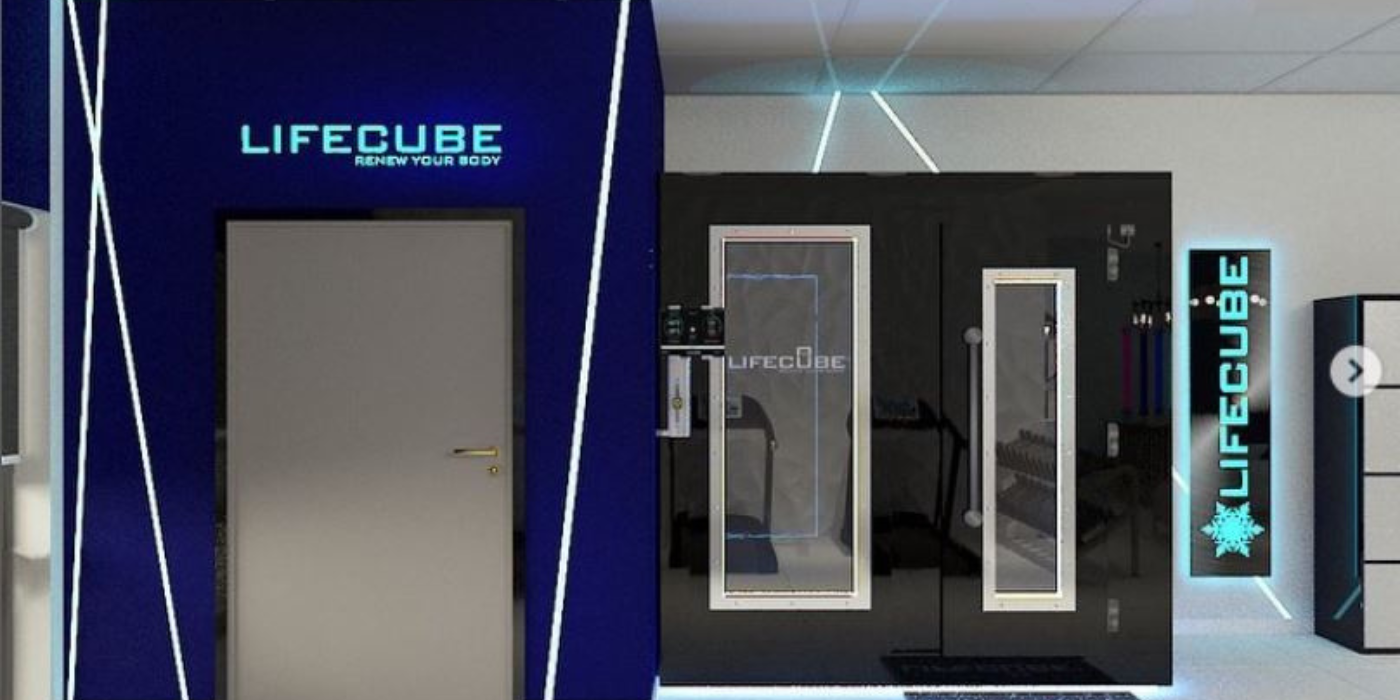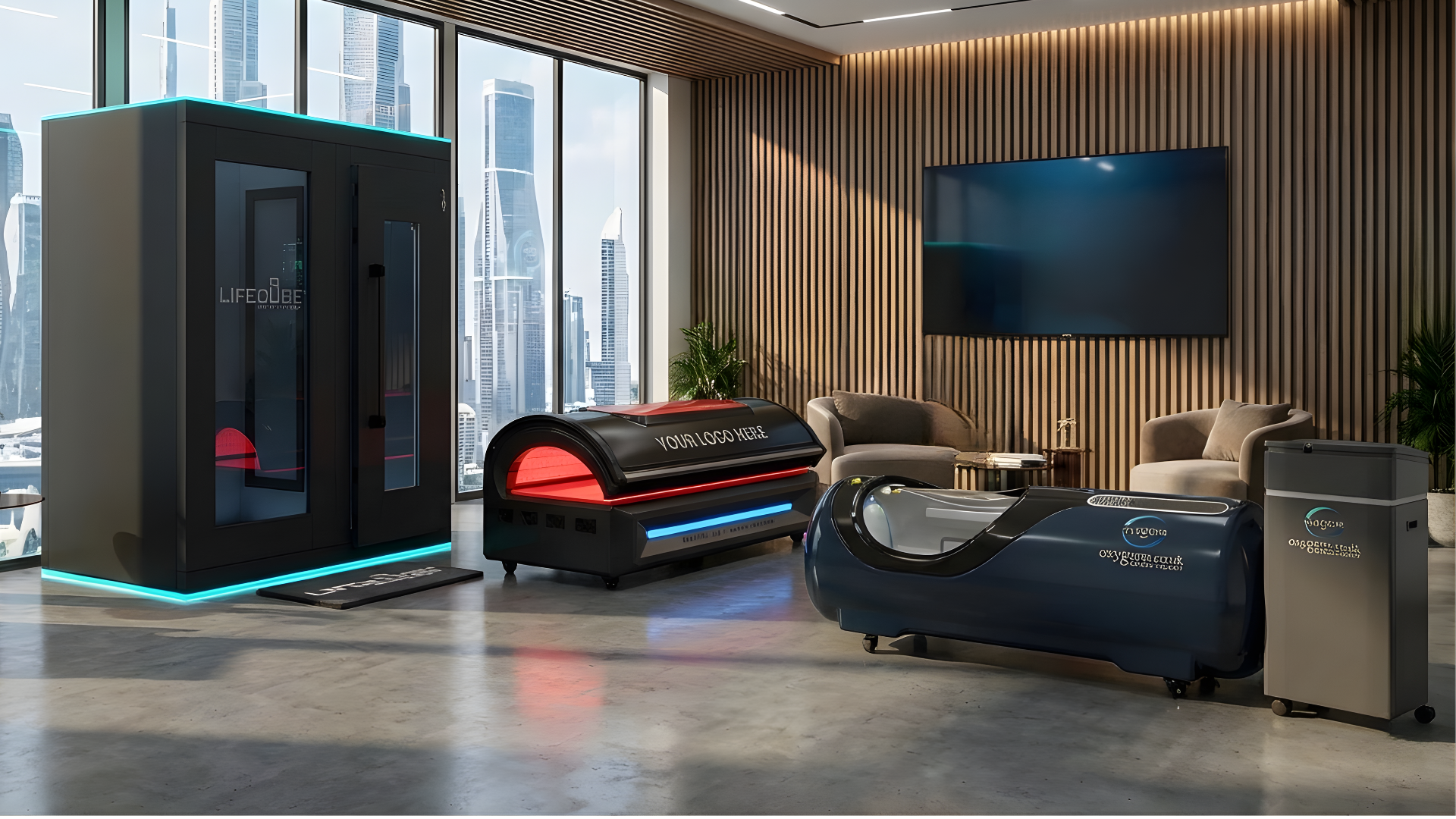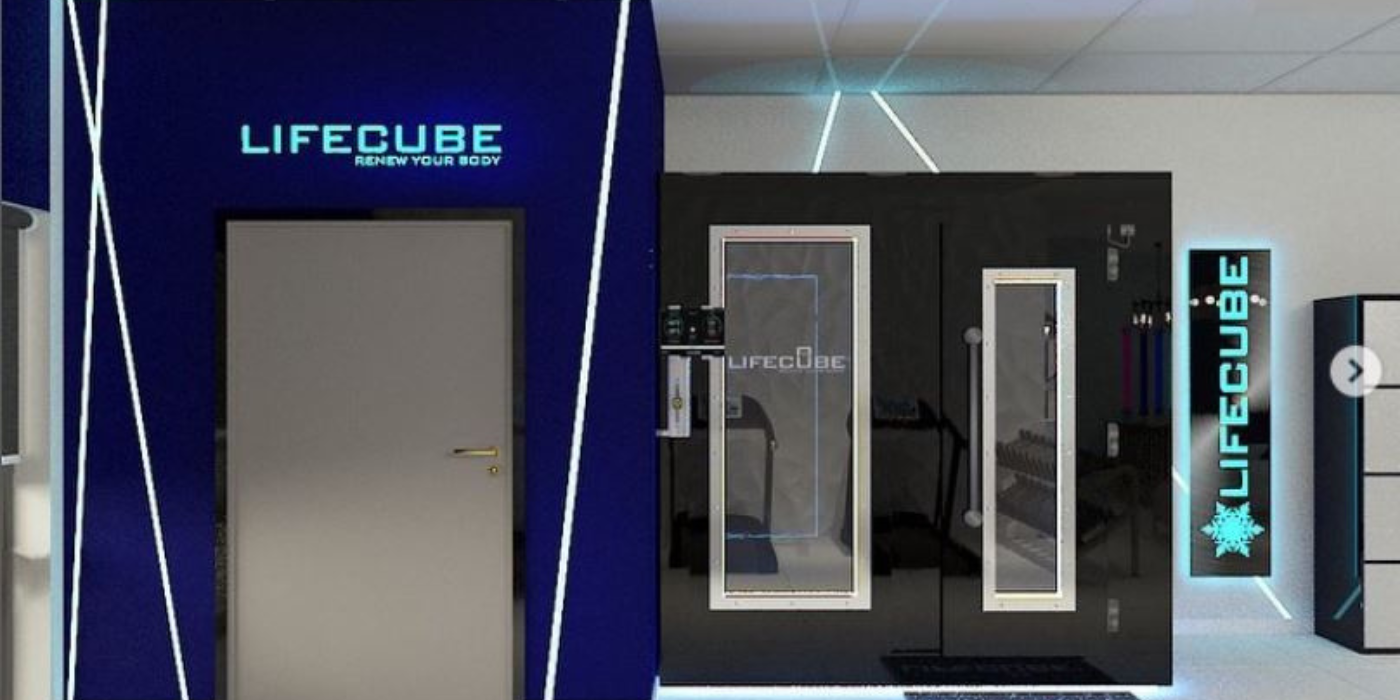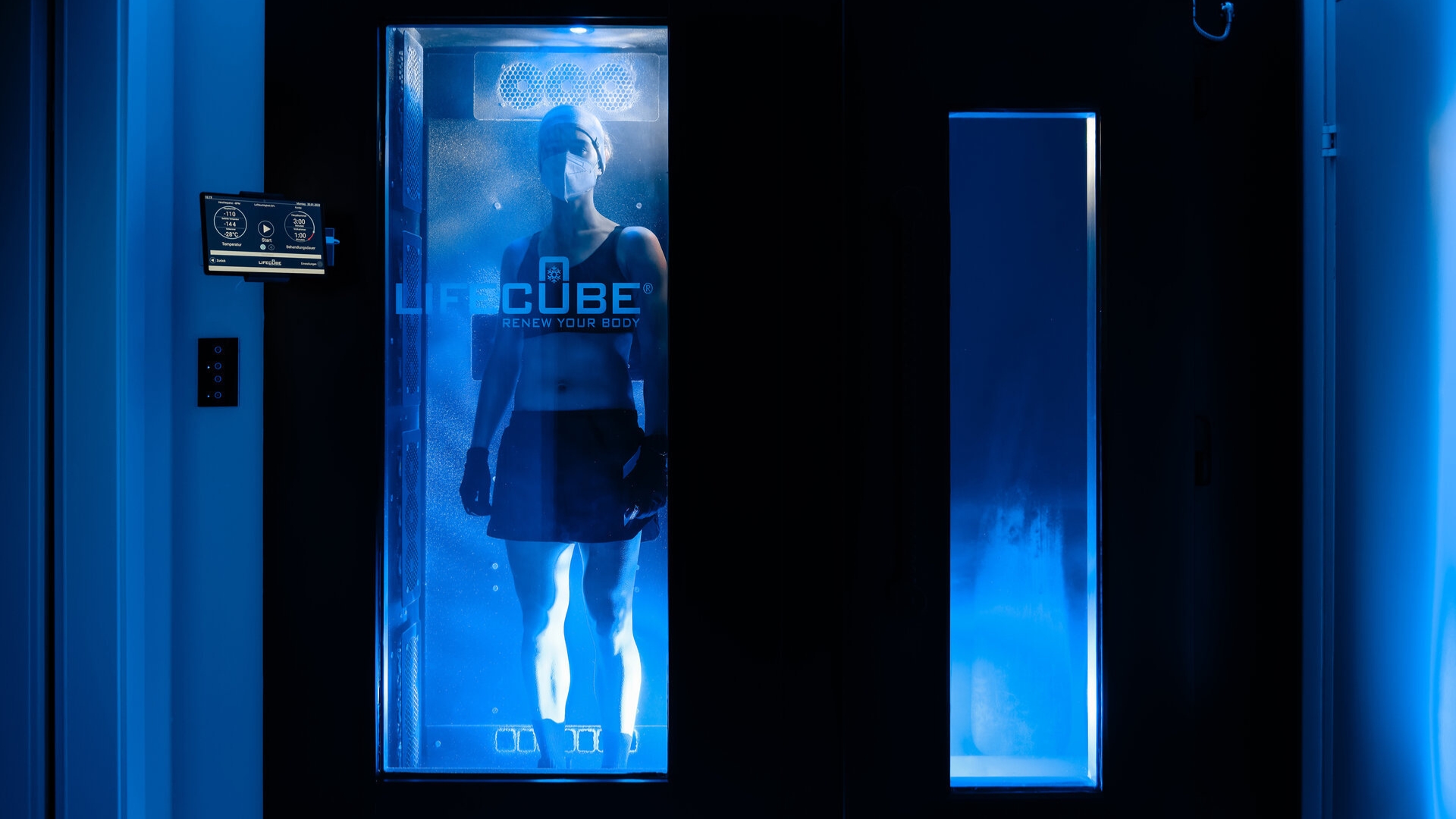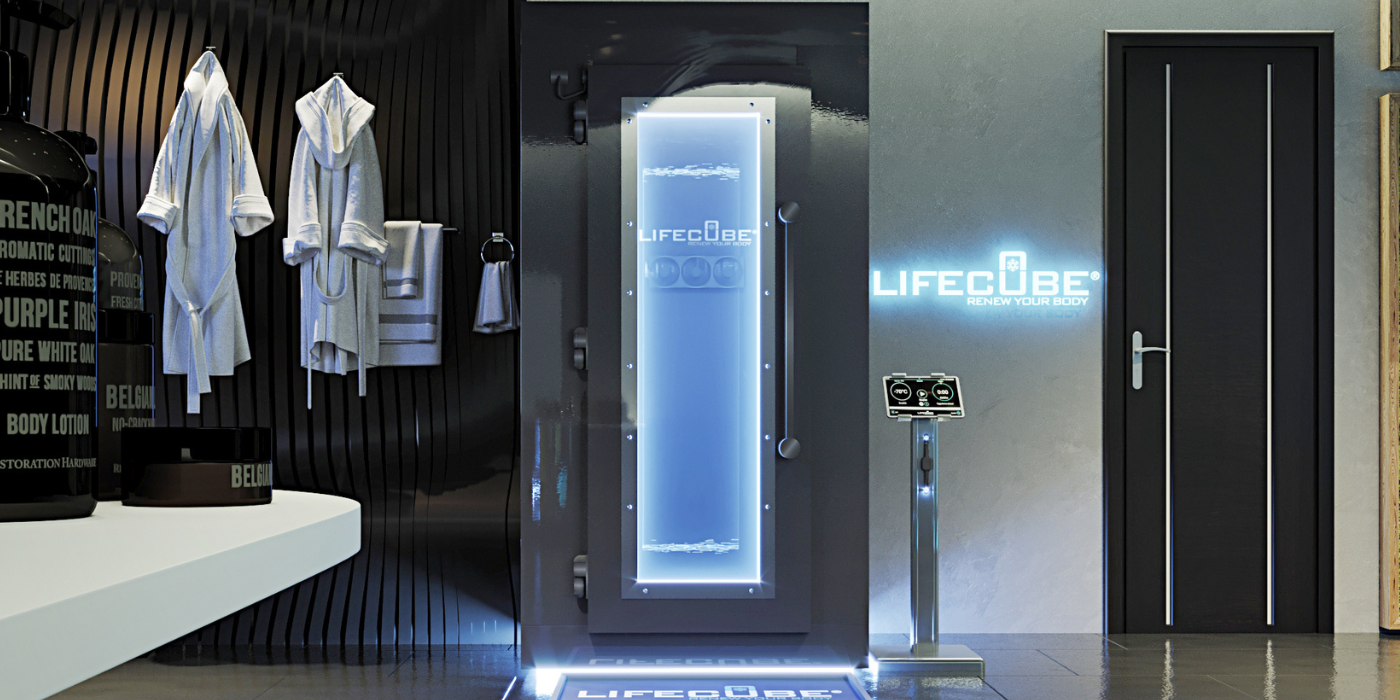

In a UK fitness world increasingly obsessed with data—HRV, sleep scores, training load, recovery metrics—performance optimisation is no longer guesswork. With 2025’s fitness trend titled “data-driven training” taking hold, Core Health & Fitness tools that provide measurable recovery are now essential. That’s why the home cryotherapy machine is rising in popularity among serious biohackers and athletes alike.
What Is Data-Driven Training?
Data-driven training means using biometrics, wearable technology and performance analytics to guide everything you do: when to train, what to load, how to recover. Rather than following generic routines, you adapt to what your body is telling you. Overtraining becomes detectable, recovery becomes strategic, and performance becomes measurable.
Why Recovery Must Be Quantifiable
If you’re measuring training output, you must also measure recovery input. Without recovery, metrics stall, performance plateaus, and risk of injury rises. The home cryotherapy machine fits ideally into this feedback loop: you can track pre- and post-session HRV, sleep quality, muscle soreness, subjective readiness and more.
How to Use a Home Cryotherapy Machine with Your Data
Implement Cryotherapy Sessions
- Morning session: 2-3 minutes at target temperature. Log changes in focus, readiness, HRV post-session.
- Post-training session: Immediately after intense workout log muscle soreness, recovery time, next-day readiness.
Record & Review
Track trends. Did your HRV improve by 5%? Did your deep sleep increase by 10%? Monitor weeks when you skipped the machine and compare.
Adjust Training Loads
If your wearable signals low readiness, drop into a cryotherapy session instead of loading heavy. Let recovery drive training decisions.
Benefits for the High-Performance Athlete
- Faster readiness: The vascular and neural benefits of cold exposure help you bounce back sooner.
- Better sleep & regeneration: Improved sleep rounds out the training cycle and drives adaptation.
- Reduced risk of overtraining: When recovery becomes measurable, you minimise the risk of chronic fatigue or injury.
- Mental resilience tracking: Cold exposure builds mental toughness—a data point you can feel and measure (e.g., training readiness, mood, focus scores).
Practical set-up for UK biohackers
Ensure your machine is integrated with your daily routine and tech stack.
- Log session times, temps and duration in your training journal or app.
- Sync wearable data for HRV/sleep and compare across weeks.
- Set a “minimum session” threshold (e.g., 2 sessions/week) and treat them like training sessions.
- Use the insights: if your HRV dips and you skip a session, you’re short-changing your recovery.
Return on Investment: Measurable Gains
Yes, the machine is a capital investment. But when you quantify benefits (higher readiness scores, fewer missed sessions, stronger data trends), its value becomes undeniable. For athletes or high-performance professionals in the UK, every percentage point matters—and the home cryotherapy machine helps you reclaim them.
Final Word
Data-driven training is the future. If you’re measuring everything else, don’t let recovery lurk in the background. Equip yourself with a home cryotherapy machine, measure its impact, and integrate it into your optimisation loop. Because when you train by data, you must recover by data too.