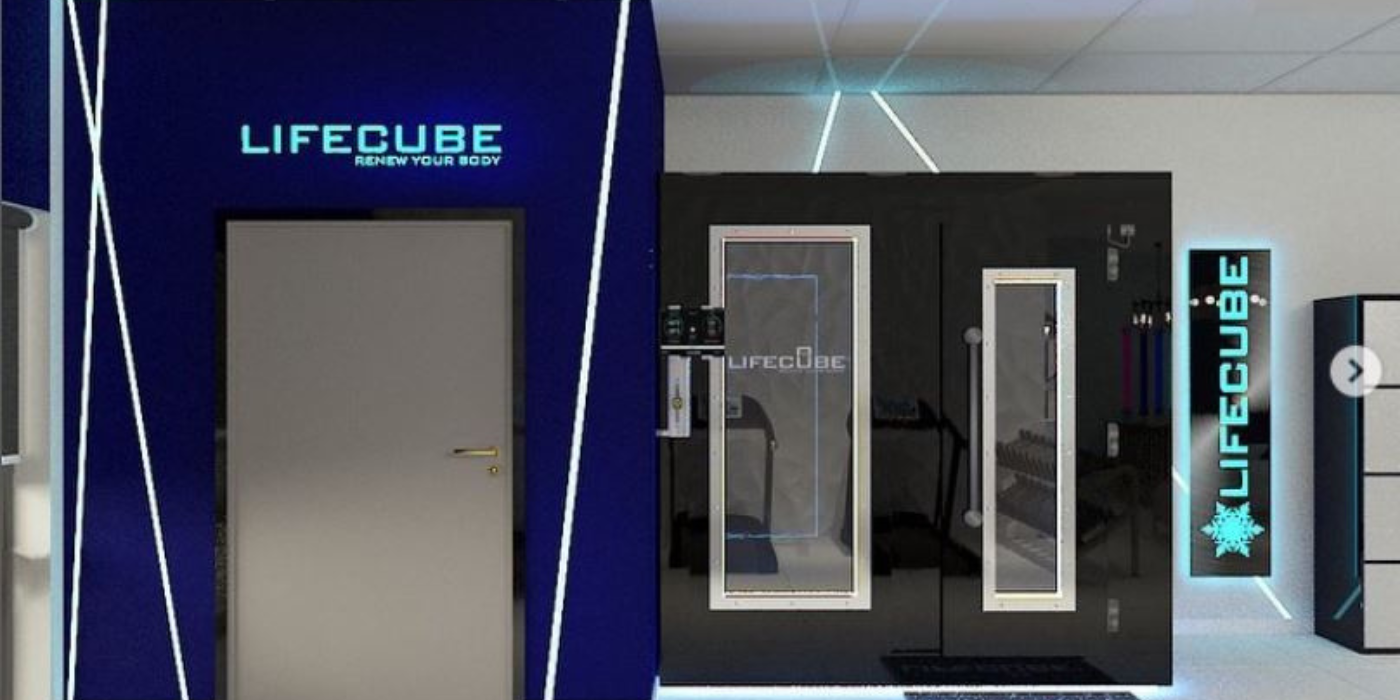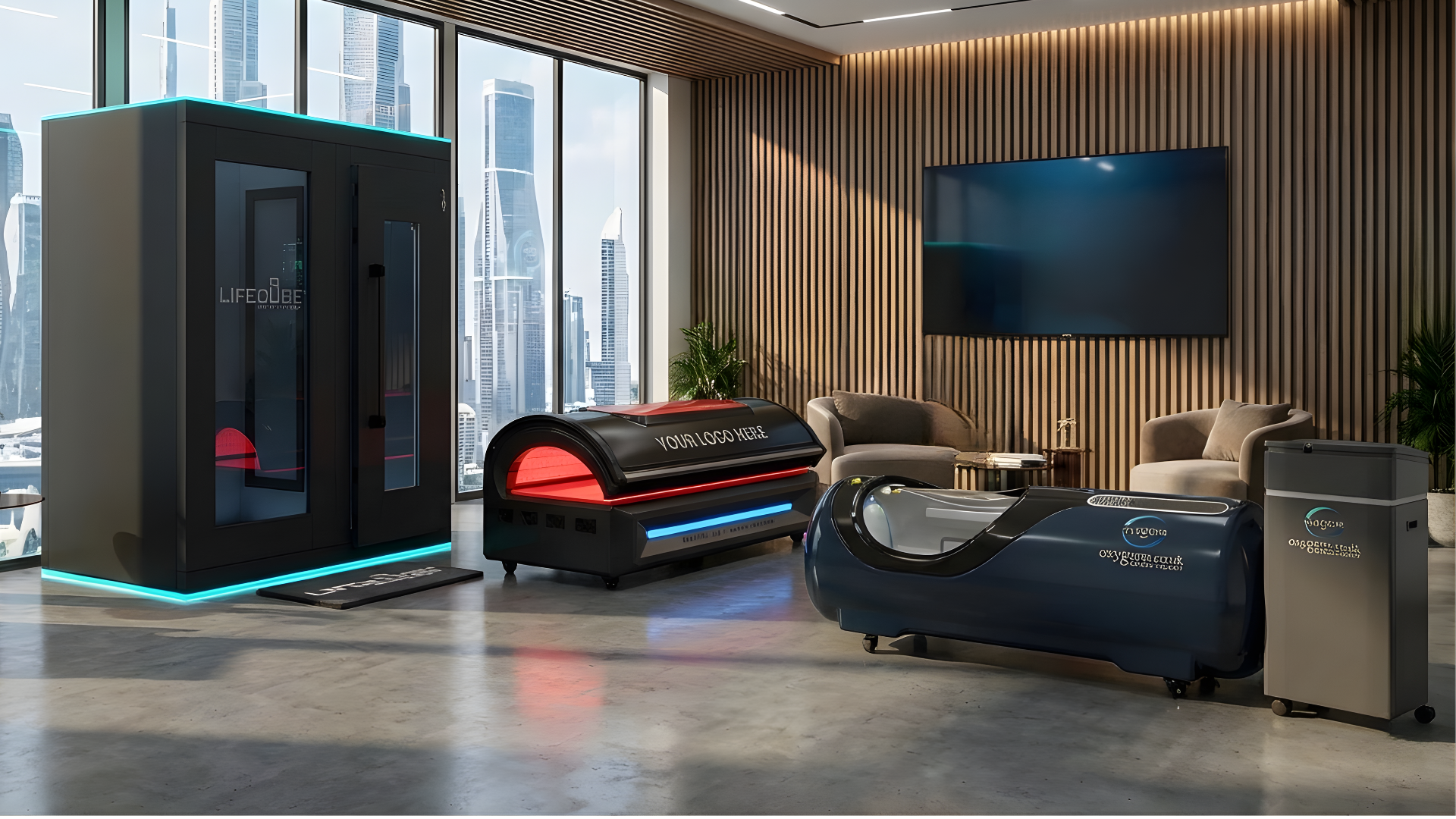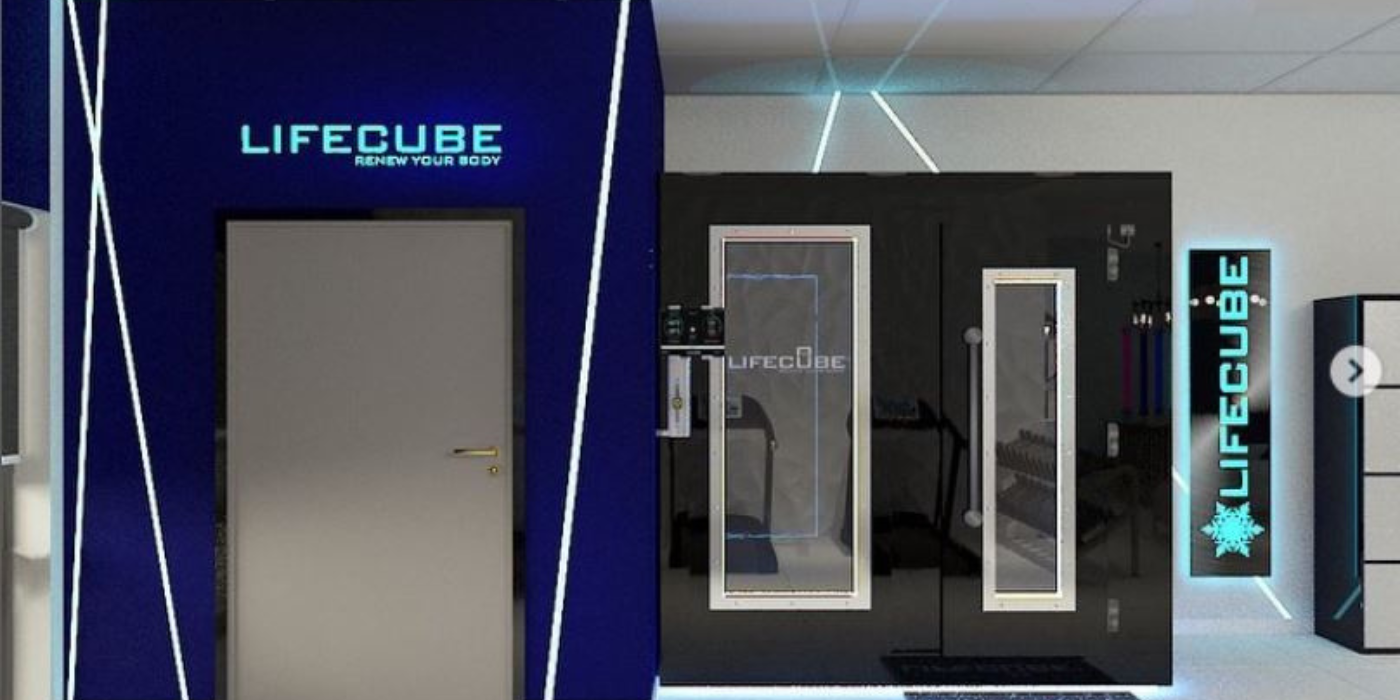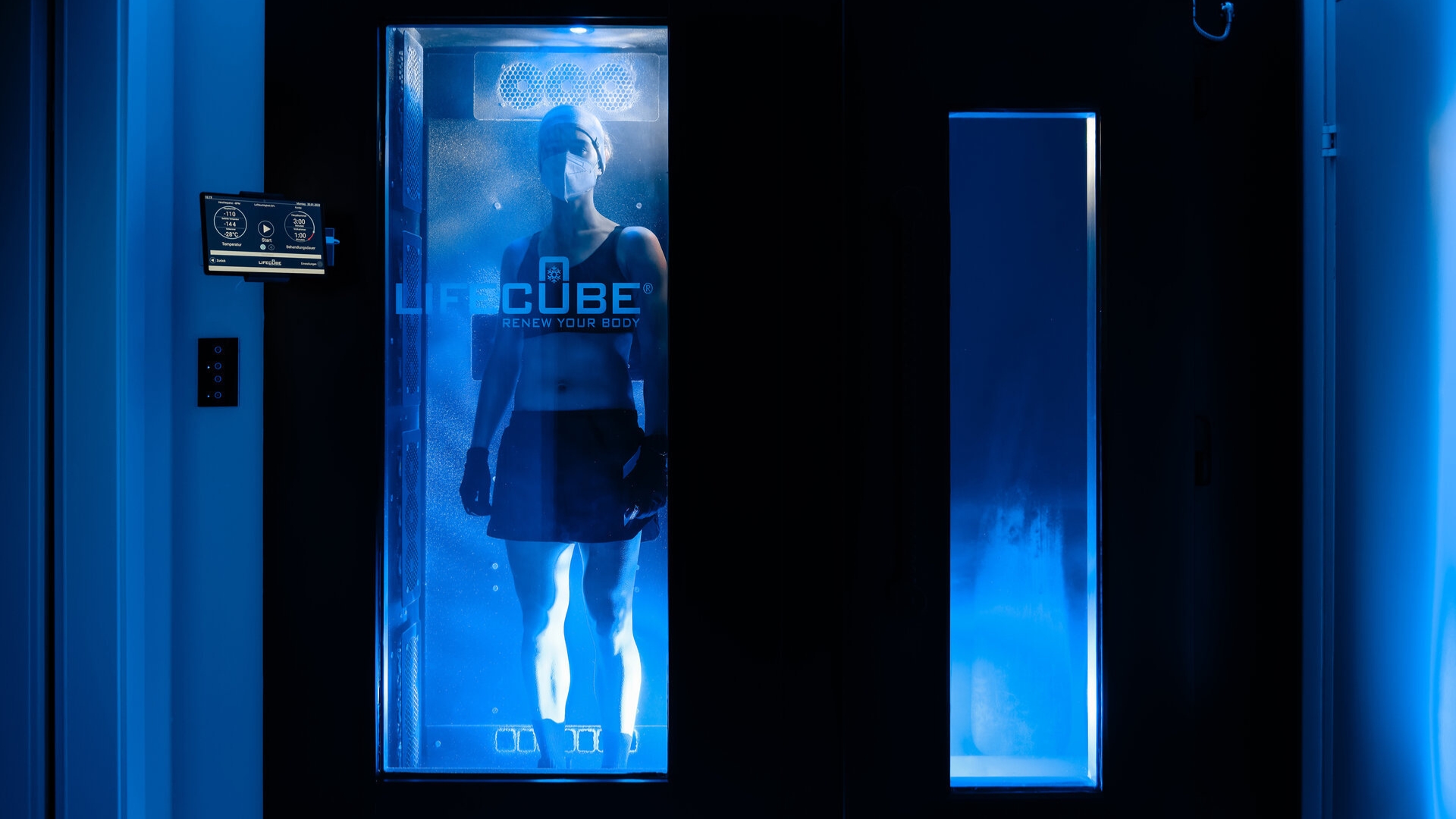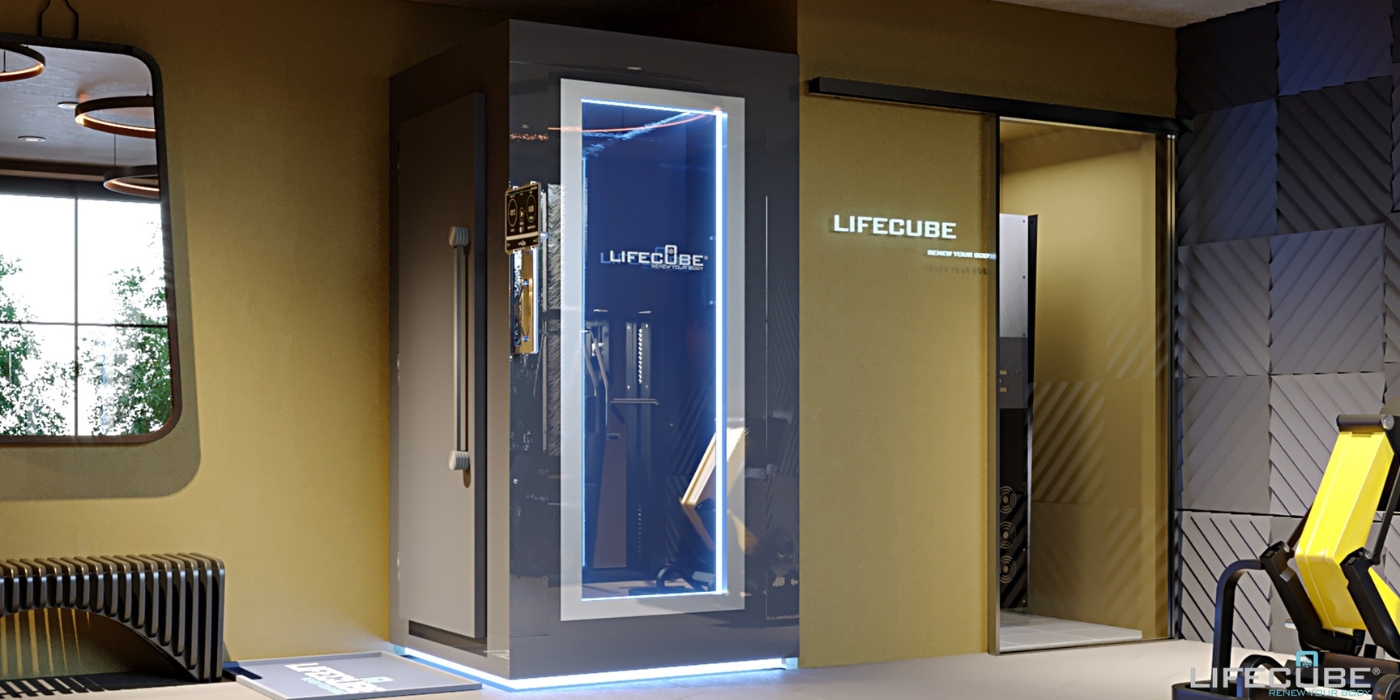

Cold therapy isn’t a novelty—it’s booming. In the UK wellness scene, one of the most prominent trends of 2025 is cold plunging, hailed for its benefits on mood, metabolism and recovery. But for the serious biohacker seeking reliability, convenience and performance, a wheelie-bin-style ice bath won’t cut it. Enter the home cryotherapy machine—a step up in technology, precision and outcome.
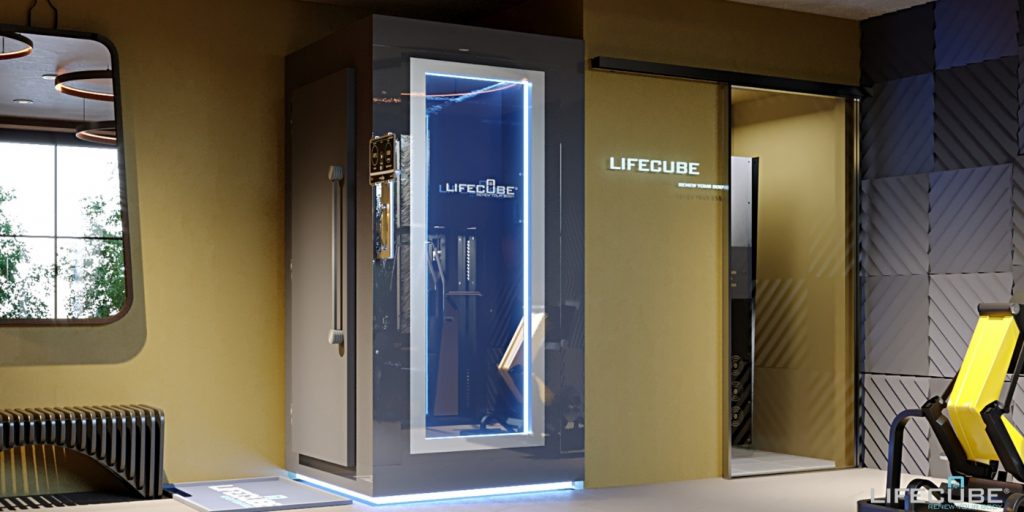
Why Cold Therapy Matters
Research and consumer trends alike reveal that UK wellness-seekers are gravitating toward preventative, recovery-driven routines. Cold therapy triggers a cascade of systems: sharp rise in norepinephrine and dopamine, vascular constriction then dilation, metabolic activation and nervous-system reset. For recovery, performance and resilience, this is where cold becomes strategic—not just brave.
Home Cryotherapy Machine vs Traditional Ice Bath
- Temperature & exposure: Traditional ice baths hover around 0°C in water. A cryotherapy unit goes far lower (-110°C to -140°C) but is dry air, so you tolerate it better and drop into that hormetic zone quickly.
- Time efficiency: Whereas ice baths might require 10-15 minutes of immersion (sometimes more), cryotherapy sessions last just 2-4 minutes. That means less downtime, greater consistency.
- Core temperature safety: With dry air blasts, core body temperature drops minimally, meaning faster recovery and lower risk.
- Consistency & environment: A home unit means you don’t rely on spa bookings, shared cabins, or variable conditions. You control your protocol.
Recovery Advantages for Biohackers
Vascular Flush & Inflammation Reduction: On exiting the cold chamber, rapid vasodilation floods the muscles with nutrient-rich blood and clears metabolic waste. This means less DOMS, faster next-session readiness, and better overall muscle turnover.
Nervous System Reset: Cold exposure activates the sympathetic nervous system then prompts a rebound into parasympathetic mode. That transition supports sleep, repair and resilience.
Metabolic Boost: Activating brown fat and improving insulin sensitivity are added bonuses of cold exposure, making the machine relevant beyond fitness recovery and into metabolic optimisation.
Mental Edge: Walking into a chamber of extreme cold trains top-down control: staying calm, regulated, mindful of breath and mindset. That discipline leaks into performance, work and life.
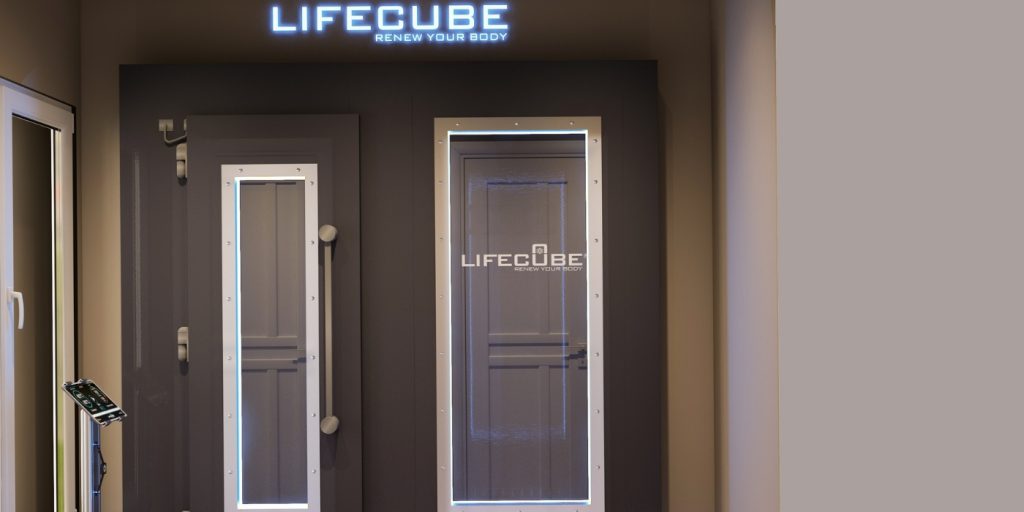
How to Build a Cold Therapy Protocol at Home
-
- Morning activation: 2-3 minutes on waking. Gauge mood, focus and readiness.
- Post workout: Immediately after training (ideally weight or endurance) aim for 2-4 minutes. Track muscle soreness, HRV and next-day readiness.
- Contrast therapy: Follow your cryo session with a warm bath, infrared sauna or heated lounge to maximise vascular effect and recovery.
- Weekly minimum: At least twice per week to create an adaptive stress and recovery pattern. Frequency differentiates amateurs from committed biohackers.
Final Thoughts
If you’ve ever wondered whether the cold-therapy craze is more than wellness fluff, here’s your answer: it’s science-supported, performance-driven and now accessible at home via a home cryotherapy machine. For UK self-optimisers serious about recovery, resilience and repeat performance, the machine isn’t just another gadget—it’s a foundational tool for training smarter and recovering better.