

Share this Blog
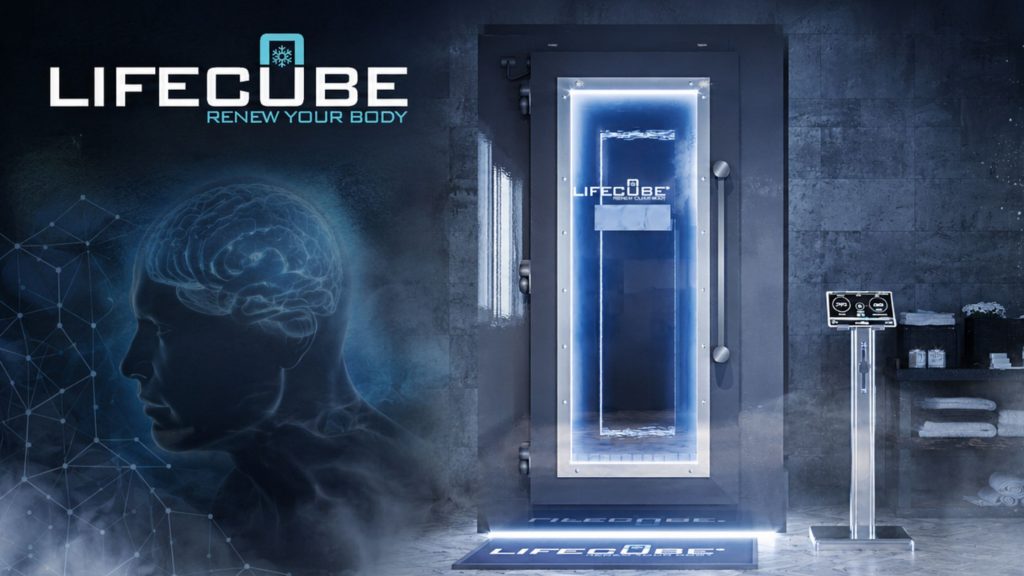
Cryotherapy for Anxiety and Mental Health: What Does the Science Say?
Feeling overwhelmed, wired but tired, or just unable to shake that low-level hum of stress? You’re not alone. Anxiety is one of the most common mental health challenges in the UK, affecting millions of people every year. And while therapy, medication, and lifestyle changes remain the cornerstones of treatment, a growing number of people are turning to an unexpected source of relief – extreme cold. Cryotherapy for anxiety is gaining serious traction. From professional athletes using it for recovery to wellness clinics popping up across British high streets, the idea of stepping into sub-zero temperatures to feel better mentally is no longer fringe. But does the science back it up? And is it something worth exploring for your own mental wellbeing?
In this article, we’ll break down exactly what cryotherapy for anxiety involves, what the research currently says, how it affects your brain chemistry, and how you can safely explore it – whether that’s at a clinic or with a cryotherapy home machine.
What Is Cryotherapy and How Does It Work?
Cryotherapy – literally meaning “cold therapy” – involves exposing the body to very low temperatures for a short, controlled period. There are two main forms:
Whole Body Cryotherapy (WBC)
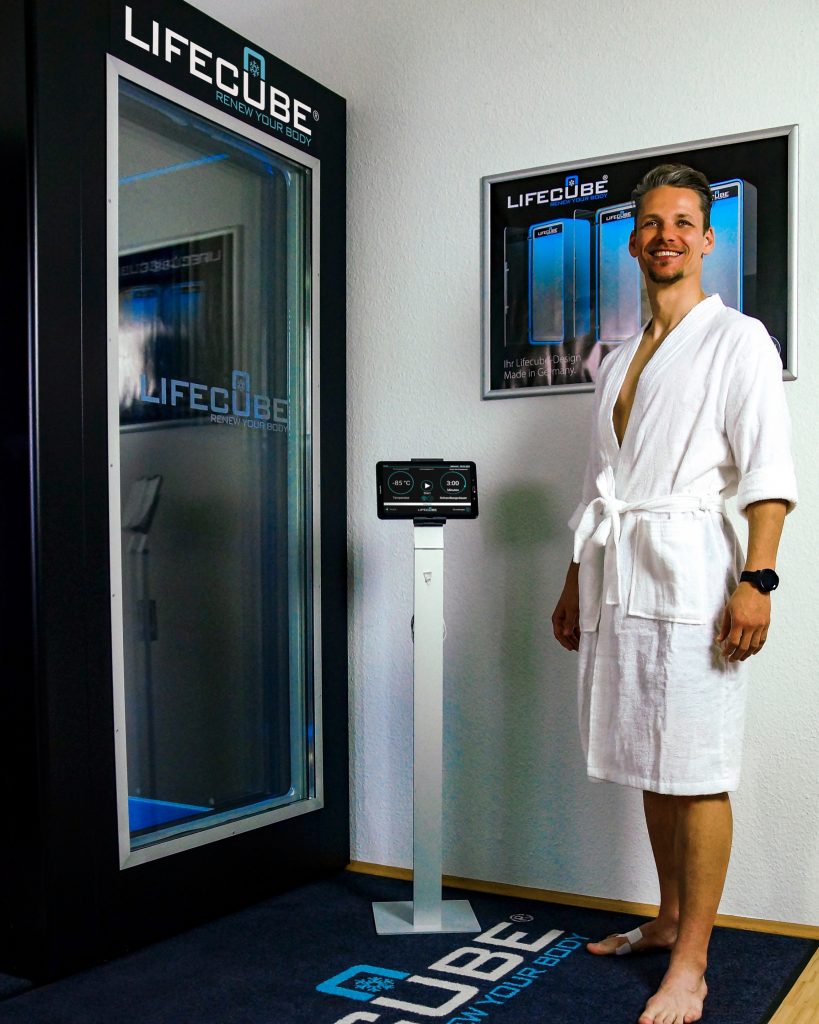
A whole body cryotherapy machine envelops you in nitrogen-cooled air, typically between -110°C and -140°C, for two to four minutes. You stand in a chamber (with your head above the cold zone) while the cold works across your skin surface. Despite the dramatic temperatures, most people describe it as intense but entirely manageable.
Localised and Cold Water Therapy
Localised cryotherapy targets specific body areas, while cold water immersion (ice baths, cold showers) offers a more accessible version of the same principle. These are generally less intense but still trigger many of the same biological responses.
The Science: How Cold Temperatures Affect Anxiety and Mood
Here’s where things get genuinely interesting. Cryotherapy for anxiety isn’t just a wellness trend with no substance – there are real physiological mechanisms at play.
Norepinephrine Release
When your body is exposed to extreme cold, it releases norepinephrine (also called noradrenaline) – a neurotransmitter and hormone that plays a key role in attention, focus, and mood regulation. Research has shown that cold exposure can increase norepinephrine levels by up to 300%. Low norepinephrine is linked to depression and anxiety, so this spike may help reset your neurochemical baseline.
The Vagus Nerve and the Stress Response
Cold exposure activates the vagus nerve – the long nerve running from your brainstem down through your chest and abdomen. Vagal activation is associated with reduced heart rate, lower cortisol (your primary stress hormone), and an improved sense of calm. This is part of why cold showers after a stressful day can feel so effective – it’s not just psychological.
Endorphin and Beta-Endorphin Surge
During and after a cryotherapy session, the body releases endorphins – the same feel-good chemicals triggered by exercise. This contributes to the mood lift that many people report in the hours following treatment. Some users describe it as a natural “high” that can last for several hours.
Reduction in Inflammatory Markers
Chronic anxiety is increasingly being linked to systemic inflammation. Studies have found that regular cold exposure can meaningfully reduce pro-inflammatory cytokines – proteins that, when elevated, are associated with both depression and anxiety disorders. By tamping down inflammation, whole body cryotherapy may help address one root cause of persistent low mood.
Benefits People Report from Cryotherapy for Mental Health
Setting aside the clinical data for a moment, what do people who use cryotherapy regularly actually notice? The most commonly reported benefits include:
- Immediate mood lift – most people feel noticeably better within minutes of finishing a session
- Reduced anxiety and mental noise – the focus required to withstand the cold appears to quieten an overactive mind
- Better sleep quality – lower cortisol and reduced inflammation can support more restful sleep, which itself has a huge impact on anxiety levels
- Increased energy and mental clarity – the norepinephrine surge leaves many people feeling sharp and motivated
- A sense of accomplishment – doing something physically challenging builds psychological resilience over time
Using a Cryotherapy Home Machine: Is It a Viable Option?
A cryotherapy home machine generally refers to portable cold therapy devices – including cold plunge tubs, localised cryo devices, and chilled water immersion systems. These won’t replicate the -130°C experience of a clinical whole body cryotherapy machine, but they can still deliver meaningful cold exposure that triggers many of the same physiological benefits.
What to Look for in a Home Device
If you’re considering a cryotherapy home machine, look for:
- Temperature control – the ability to consistently reach at least 10-15°C for effective cold water immersion
- Safety features – especially a timer and clear guidance on session length
- Build quality – insulated tubs or tanks that maintain temperature without constant topping up of ice
- Ease of use – something you’ll actually use regularly rather than store in the garage
Cold Showers as an Entry Point
If you’re curious but not ready to invest in equipment, cold showers are a completely free starting point. Begin with 30 seconds of cold water at the end of your normal shower and build up over several weeks. It won’t match the full-body impact of a clinical cryo chamber, but research suggests even brief cold water exposure can shift your neurochemical profile meaningfully.
Who Should Be Cautious – or Avoid Cryotherapy?
Cryotherapy for anxiety is generally well-tolerated by healthy adults, but it’s not for everyone. You should speak to your GP before trying cryotherapy if you have:
- Cardiovascular conditions – the cold causes vasoconstriction and elevates heart rate initially
- Raynaud’s syndrome – cold exposure can trigger painful episodes
- Uncontrolled high blood pressure
- Cold urticaria (cold allergy)
- Severe claustrophobia – particularly relevant for enclosed cryo chambers
- Open wounds or skin conditions affecting large areas of the body
Pregnant women and children under 18 should also avoid whole body cryotherapy sessions.
How to Get Started with Cryotherapy in the UK
If you’d like to try cryotherapy for anxiety, here’s a practical approach:
Step 1: Start Small at Home
Begin with two to three minutes of cold water at the end of your shower. Focus on your breathing – inhale slowly through the nose, exhale through the mouth. Build this habit for two to three weeks before progressing.
Step 2: Find a Reputable UK Clinic
Search for registered wellness clinics or sports recovery centres in your area. Many major UK cities including London, Manchester, Edinburgh, and Birmingham have dedicated cryotherapy facilities. Look for clinics where staff can talk you through the process and have clear safety protocols in place.
Step 3: Plan a Consistent Schedule
As with exercise, consistency matters more than intensity. Three sessions per week over four to six weeks appears to be the threshold at which people begin noticing sustained improvements in mood and anxiety. Sporadic single sessions may give you an immediate lift, but the neurochemical benefits compound with regularity.
Step 4: Combine with Other Mental Health Practices
Cryotherapy works best as part of a broader approach. Pair it with regular physical exercise, adequate sleep, reduced alcohol intake, and – most importantly – professional support if your anxiety is significantly impacting your daily life.
Cold Therapy, Warm Results
The science behind cryotherapy for anxiety is genuinely compelling, even if it’s still maturing. The combination of norepinephrine release, vagal nerve activation, anti-inflammatory effects, and endorphin surges gives cold therapy a real biological basis for supporting mental wellbeing – not just a placebo effect or wellness fad.
Whether you start with cold showers, invest in a cryotherapy home machine, or book a session at a whole body cryotherapy machine clinic near you, the key is consistency and integration. Cold therapy isn’t a magic bullet – but as part of a thoughtful, multi-pronged approach to mental health, it could be a genuinely powerful tool in your toolkit.
Ready to explore cryotherapy further? Browse our guides on choosing the right cryotherapy home machine and what to expect from your first whole body cryotherapy machine session.
Frequently Asked Questions
Can cryotherapy replace medication or therapy for anxiety?
No – and it shouldn’t be used that way. Cryotherapy for anxiety is best understood as a complementary tool. It can support mood, reduce stress hormones, and improve sleep, but it does not address the cognitive and behavioural patterns that therapies like CBT are designed to treat. If you’re currently on medication or in therapy, speak to your healthcare provider before adding cryotherapy to your routine.
Is a whole body cryotherapy machine safe to use?
When operated by trained professionals at a reputable clinic, whole body cryotherapy machines are considered safe for healthy adults. The sessions are brief (two to four minutes), your head remains above the cold zone, and staff are present throughout. Home cold plunge setups carry a lower risk profile since temperatures are far less extreme – but always follow manufacturer guidance.
Can I try cryotherapy for anxiety at home?
Yes, with realistic expectations. A cryotherapy home machine – such as a cold plunge tub – won’t reach the temperatures of a clinical cryo chamber, but consistent cold water immersion at home still triggers norepinephrine release, vagal activation, and endorphin production. It’s an accessible and cost-effective starting point.
Does cryotherapy help with stress as well as anxiety?
Absolutely. The mechanisms that make cryotherapy for anxiety effective – reduced cortisol, increased norepinephrine, endorphin release – are equally relevant to stress management. Many users find it particularly useful during high-pressure periods at work or significant life events.


