
What Happens During Cryotherapy?
Walking into a room that is chilled to temperatures far below freezing might sound like a scene from a science fiction movie, but for thousands of people, it is a weekly or even daily routine. Whether you are an athlete looking for faster recovery or someone seeking relief from chronic inflammation, cryotherapy has become one of the most talked-about wellness trends in recent years and many are now searching for the best cryotherapy machine to bring these benefits into their own routines. In this guide, we will break down exactly what happens during cryotherapy, from the moment you step into the clinic to the biological changes occurring in your cells. You’ll learn about the safety protocols, the science behind the “cold shock,” and the practicalities of the equipment used.
What Is Cryotherapy? An Overview of Cold Exposure
Cryotherapy, literally meaning “cold therapy,” is the practice of exposing the body to ultra-low temperatures for a short duration. While there are localized versions (like using an ice pack), the most popular modern version is Whole Body Cryotherapy (WBC).
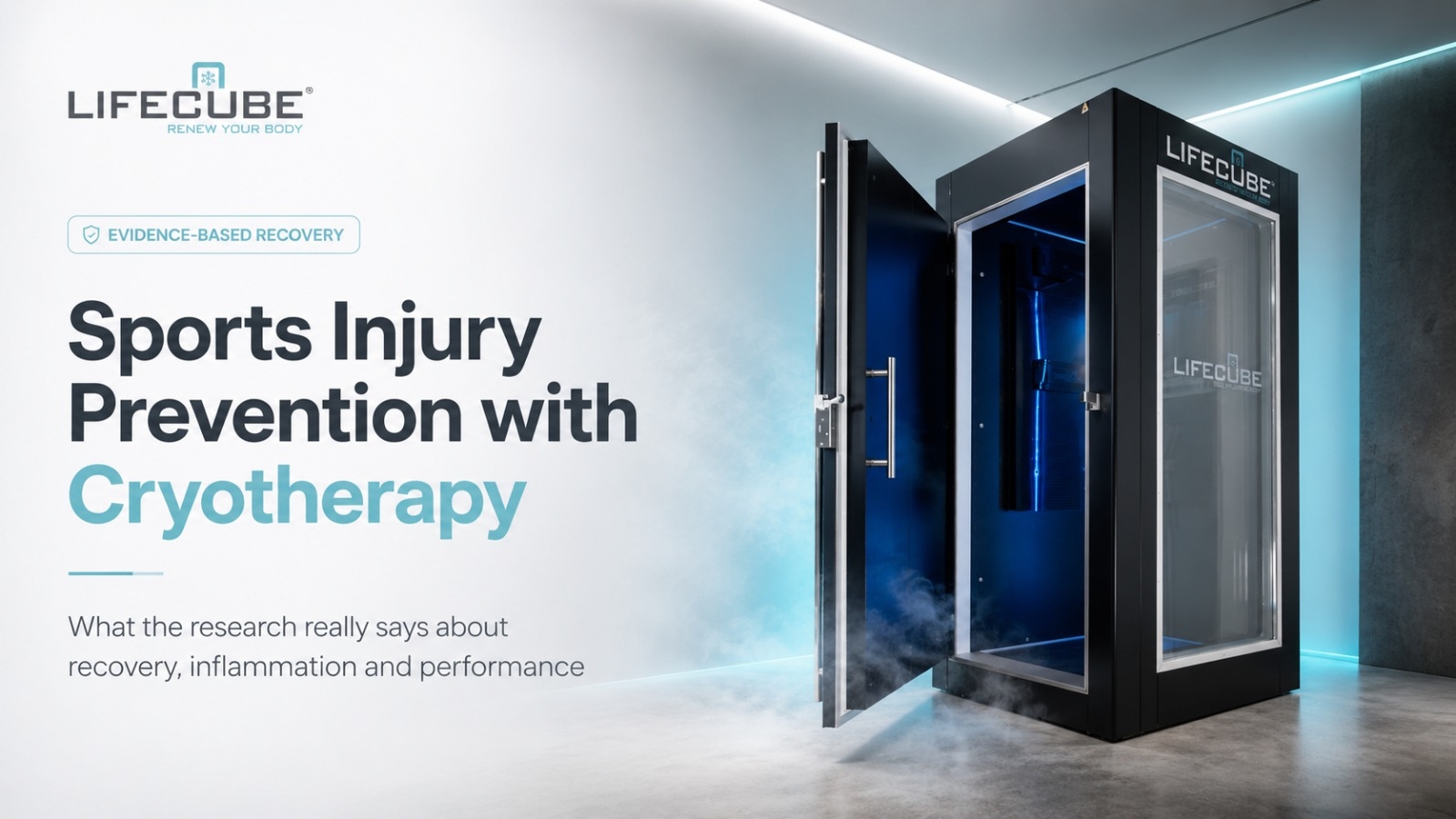
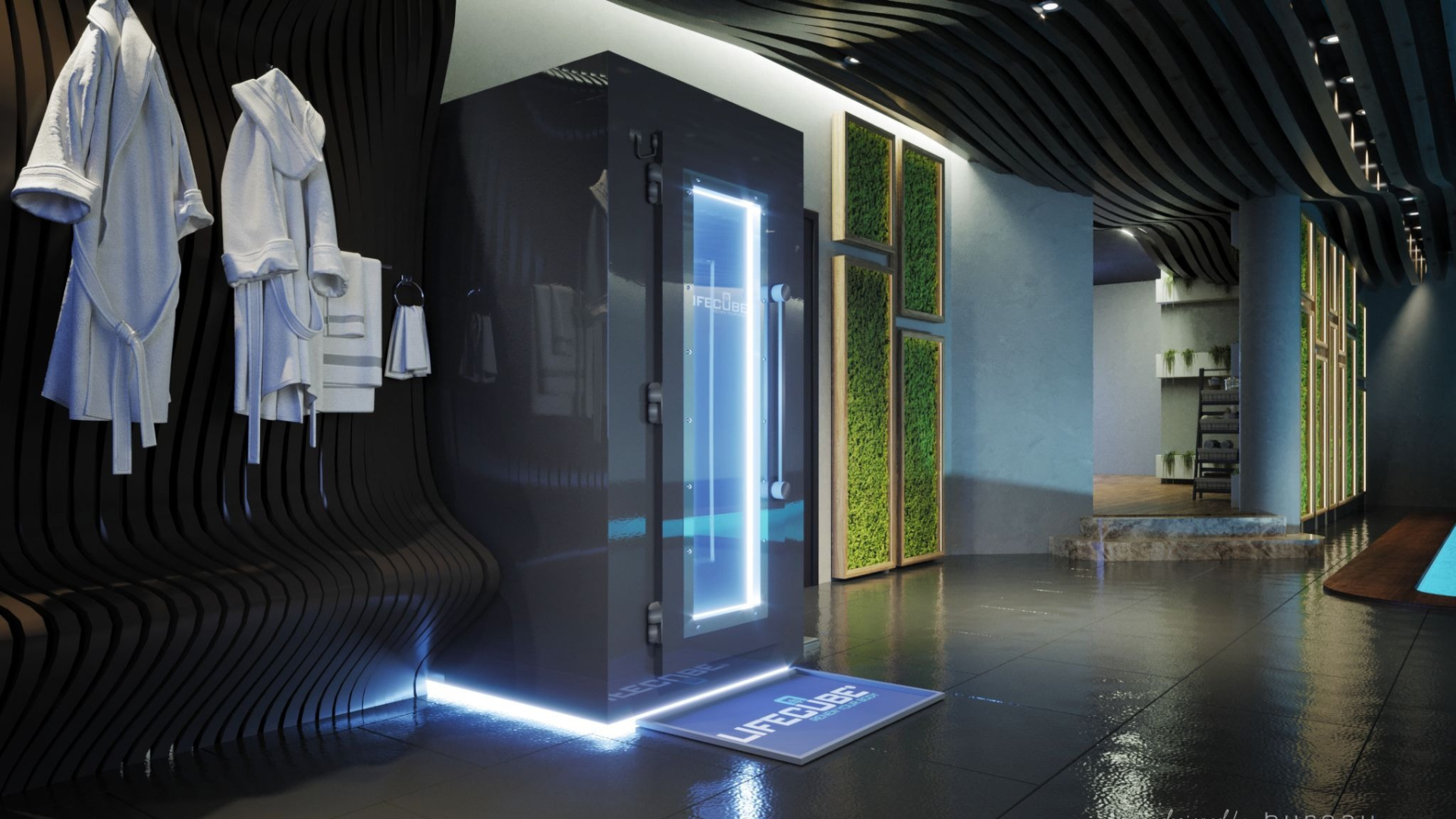
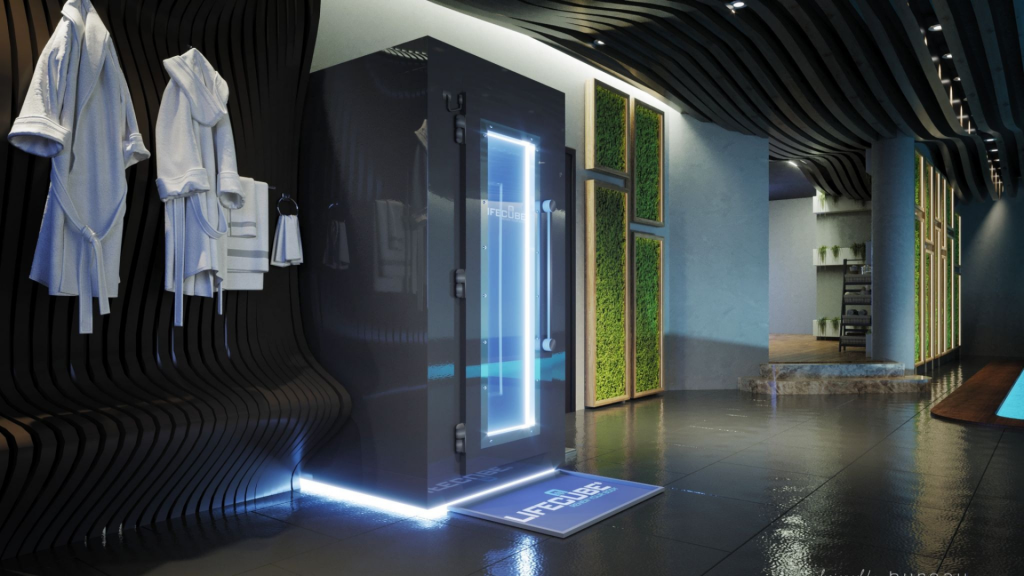
In a clinical or spa setting, this is typically achieved using a cryotherapy machine. These machines use liquid nitrogen or sophisticated electric cooling systems to drop the air temperature to anywhere between -110°C and -160°C. If you are a business owner looking to add this service, you might be researching the cryotherapy machine cost, which can vary significantly depending on whether the unit is nitrogen-based or electric.
What Happens During Cryotherapy? The Step-by-Step Process
If it’s your first time, the idea of sub-zero temperatures can be intimidating. Here is the typical journey you will take during a session.
1. Preparation and Dressing
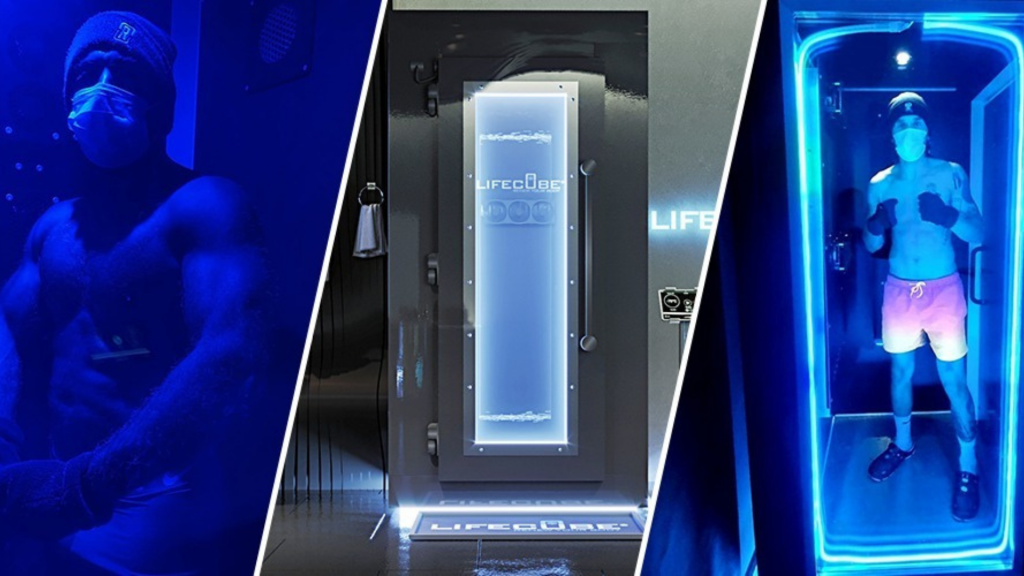
Before entering the chamber, you will be asked to change into minimal clothing to ensure maximum skin exposure. However, protection for your extremities is vital. You will typically wear:
- Dry socks and slippers/clogs.
- Gloves.
- A face mask (to protect your nose and mouth from the cold air).
- Ear protection (usually a headband).
2. Entering the Chamber
You will step into a “cryosauna” (where your head is out) or a walk-in “cryochamber.” The air will feel incredibly dry. Unlike a cold plunge in water, which can feel bone-chillingly painful, the dry air in a cryotherapy machine is often described as a “pins and needles” sensation that is much more tolerable.
3. The Three-Minute Session
Most sessions last between 2 and 4 minutes. During this time, the operator will stay with you, often talking to you to keep your mind off the cold. Your internal body temperature does not drop, but your skin surface temperature drops significantly.
4. Post-Session Warming
Once the time is up, you step out and immediately begin to move. Many facilities have a stationary bike nearby or simply encourage you to walk around. As your blood rushes back to your extremities, you’ll likely feel a “rush” or a tingling sensation known as the endorphin high.
The Biological Response: How Your Body Reacts
When people ask what happens during cryotherapy, they are usually interested in the “why.” When your skin is exposed to extreme cold, your body enters a “fight or flight” survival mode.
Vasoconstriction and Vasodilation
Initially, your body undergoes vasoconstriction, where blood moves away from your limbs and toward your core to protect your vital organs. This blood becomes highly oxygenated and nutrient-dense. Once you exit the chamber, vasodilation occurs—the blood rushes back to your tissues, flushing out toxins and promoting cellular repair.
Hormone Release
The cold triggers the release of norepinephrine, a hormone that reduces pain and inflammation. It also stimulates the production of endorphins, which explains why many users report an immediate improvement in mood and mental clarity.
Benefits of Regular Cryotherapy
While individual results vary, the primary reasons people seek out this treatment include:
- Muscle Recovery: Reduced downtime after intense workouts.
- Pain Management: Relief from conditions like rheumatoid arthritis and fibromyalgia.
- Metabolic Boost: The body burns calories as it works to reheat itself.
- Skin Health: Improved collagen production and reduced signs of aging.
Understanding the Equipment: Finding a Cryotherapy Machine for Sale
For wellness center owners or professional sports teams, choosing the right equipment is a major investment. When looking for a cryotherapy machine for sale, there are two main types to consider:
1. Nitrogen-Based Units: These are often more affordable upfront but require a recurring cost for nitrogen gas delivery.
2. Electric Chambers: These have a higher initial cryotherapy machine cost but are often considered safer and easier to maintain in the long run as they do not require gas tanks.
Finding the best cryotherapy machine depends on your floor space, budget, and the volume of clients you intend to serve.
Risks and Safety Precautions
While cryotherapy is generally safe for healthy individuals, it is not without risks.
- Skin Burns: If your clothing or skin is wet/damp, the moisture can freeze instantly, causing frostbite.
- Respiratory Issues: Inhaling too much nitrogen-cooled air in an enclosed space can be dangerous, which is why modern machines have oxygen sensors.
- Contraindications: Those with high blood pressure, heart conditions, or pregnancy should avoid cryotherapy. Always consult a medical professional before starting.
Is Cryotherapy Right for You?
Understanding what happens during cryotherapy takes the mystery out of this “cool” technology. It is a powerful tool for those looking to optimize their physical recovery and mental well-being. By triggering the body’s natural healing mechanisms through controlled cold stress, you can achieve a level of systemic relief that traditional icing simply cannot match.
Ready to experience the chill? Find a certified cryotherapy provider in your area today and take the first step toward a faster, fresher recovery. If you are a business looking to upgrade your facility, contact a specialist to find the best cryotherapy machine for your specific needs.
FAQ
Is cryotherapy better than a cold plunge?
Cryotherapy is shorter (3 minutes vs. 10-15 minutes) and many find the dry air more comfortable than ice water. However, both offer similar benefits regarding inflammation.
How many sessions do I need to see results?
For acute injury recovery, 2-3 sessions in a week may suffice. For chronic conditions or general wellness, many people opt for 1-2 sessions per week.
Why is the cryotherapy machine cost so high?
The technology involves medical-grade sensors, high-pressure cooling systems, and specialized materials designed to withstand temperatures that would shatter normal plastics and metals.