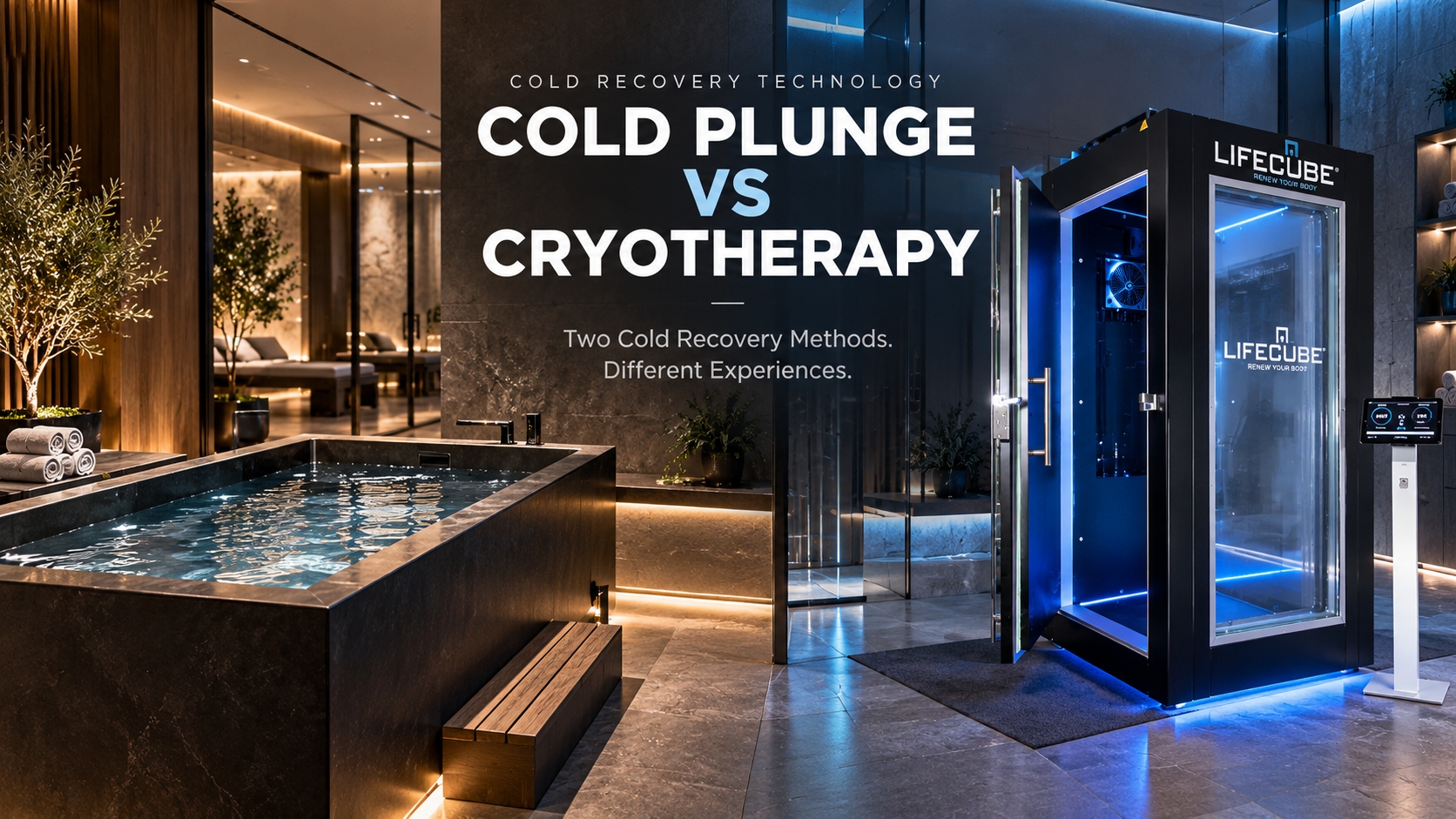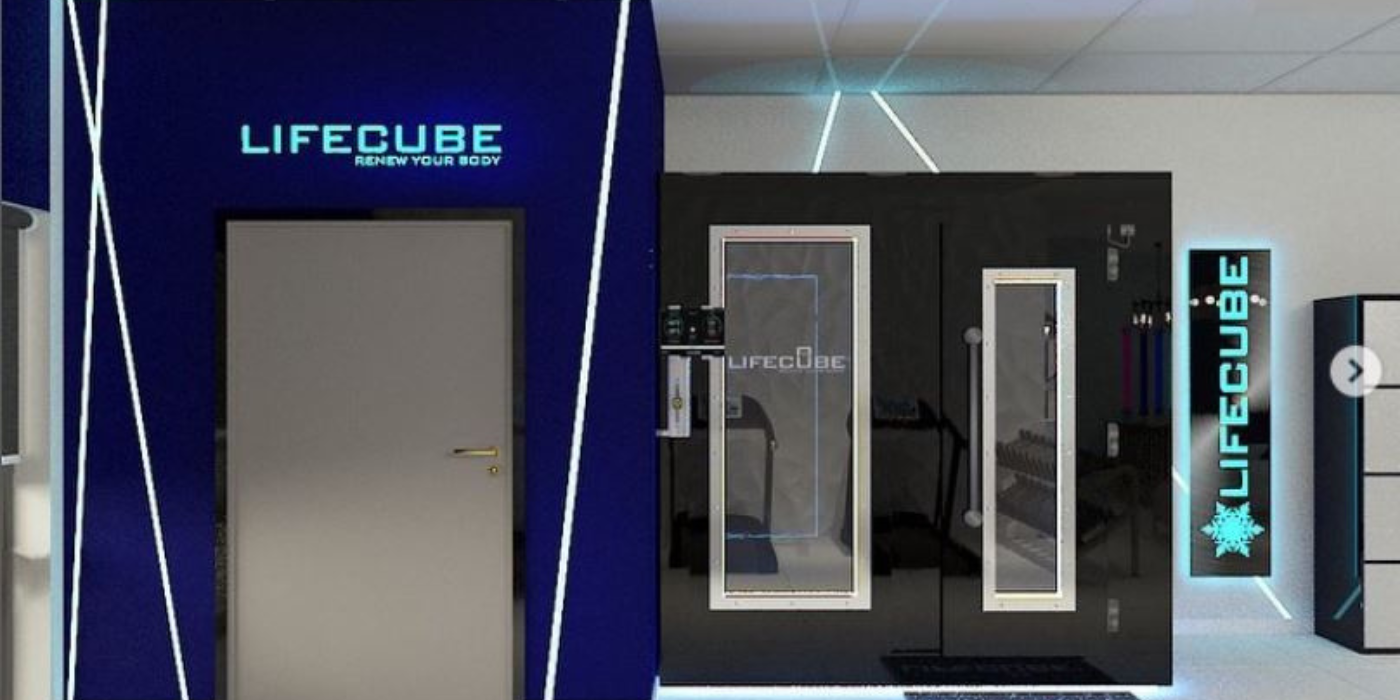

Strength training is booming in the UK. Fitness operators report surging demand for heavy lifts, functional strength circuits and serious muscle work. But while training gets heavier, recovery must keep pace. Without it, strength gains plateau, injury risk rises and progress stalls. That’s where the home cryotherapy machine steps in—giving recovery the same intensity and precision as your lifts.

Why the Strength Training Surge Needs High-Tech Recovery
When you’re loading heavy, your muscles, central nervous system, connective tissue and metabolism all take a beating. The walls of recovery need reinforcement: rapid vascular flush, neural reset, inflammation control, metabolic support. Cold therapy in a home cryo unit does precisely that.
How It Works for Strength Athletes
Vascular & Circulatory Benefits
Post-lift, cold exposure causes vasoconstriction, then dilation, accelerating blood flow and clearing lactic acid and waste products from muscle tissue.
Inflammation & Muscular Repair
Intense strength work triggers micro-trauma and inflammation. Regular cryo sessions help modulate these responses—supporting faster adaptation and fewer aches.
Nervous System Reset
Heavy training impacts the CNS. Cold exposure stimulates norepinephrine and resets sympathetic dominance, promoting quicker recovery and readiness.
Metabolic & Hormonal Support
Strength work boosts metabolism; adding cold exposure further activates brown fat and insulin sensitivity—maximising body composition and recovery.
Protocol for Strength Training
- Immediately after your workout (within 15 minutes), aim for a 2-3 minute session in your home cryotherapy machine.
- Use temperature at the lower end of range (-110°C or colder if machine specs allow) but always prioritise safe duration.
- The next morning, track soreness, readiness, HRV and training output. If soreness is low and readiness high, you’re recovering well.
- On rest days, mornings can be used for a short “maintenance” session to support circulation and metabolic activity.
Integrating into Your Training Plan
- Volume days: Prioritise cryo to support higher load and faster turnaround.
- Deload weeks: Use shorter, lighter cryo sessions to maintain recovery without exhausting adaptation.
The ROI of a Home Unit
Think of the home cryotherapy machine as an investment in your training economy. For every £ you spend, you’re buying less soreness, fewer missed sessions, more training consistency and higher output. When strength is your goal, recovery tech becomes training tech.
Final Thoughts
If you’re riding the UK’s strength training surge, don’t let recovery lag behind. Equip yourself with a home cryotherapy machine, integrate it into your training regime, and watch your lifts, readiness and performance rise in tandem. Strength may be built in the gym—but it’s consolidated in the recovery chamber.